 Birch Bay
 Siding and Exterior Work for Custer Homes
Custer sits inland from Birch Bay but still close enough to Puget Sound and the Strait of Georgia that homes here deal with a lot of the same weather patterns as the waterfront: salt-tinged onshore air, long stretches of driving rain off the water, and the low winter sun angles that keep north-facing walls damp for months at a time. Add in the tree cover that's common on the larger lots out here, and you've got a recipe for a moss season that can run from October well into spring. None of that is unusual for Whatcom County. But it does mean the exterior of a Custer house works harder than a house built somewhere drier, and the materials and workmanship on the outside of the home matter more than they would in a milder climate.
We do siding, roofing, windows, and decks for homeowners in and around Custer, and everything we install is chosen with this specific climate in mind, not a generic weather pattern from somewhere else.
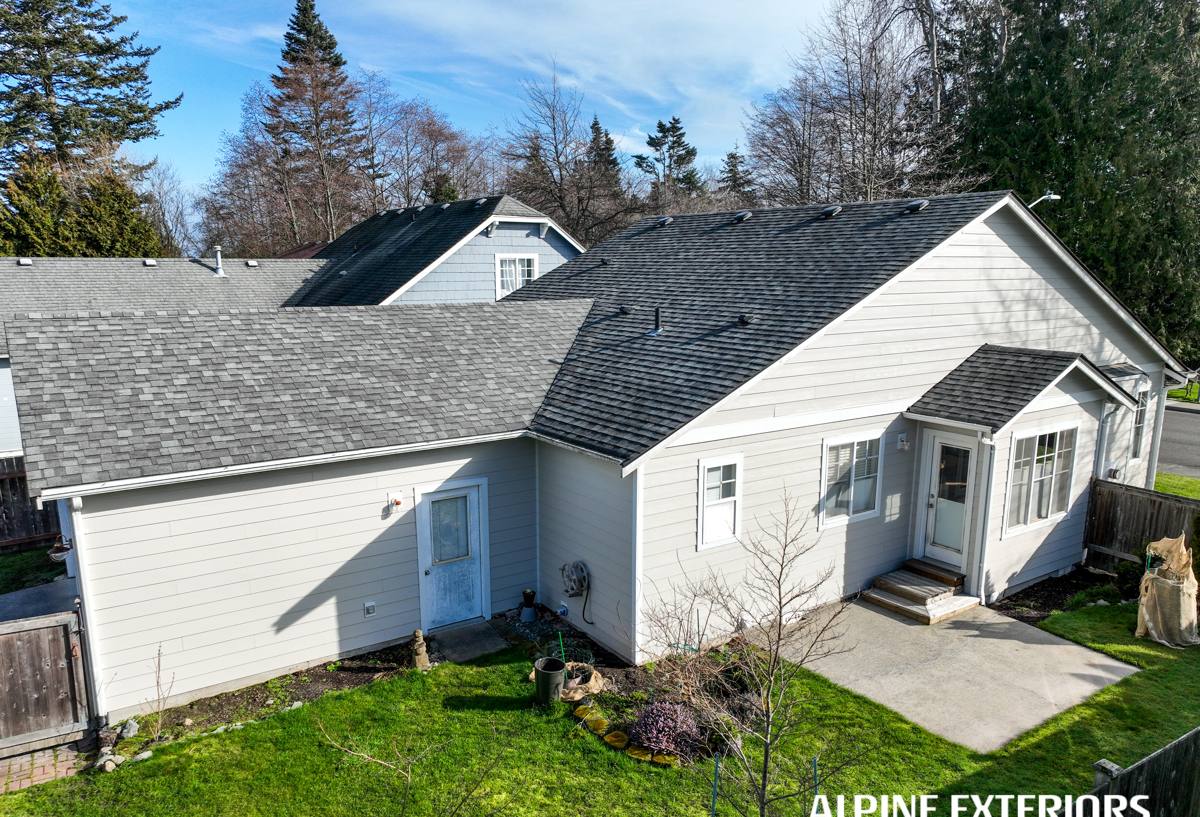
What the Climate Actually Does to a House Out Here
Salt Air and Moisture
Custer isn't oceanfront, but prevailing winds off Birch Bay and the Strait carry salt-laden moisture well inland, especially during winter storms. Salt air accelerates corrosion on fasteners, flashing, and any metal trim that isn't rated for coastal exposure. It also speeds up the breakdown of paint films and caulking, which is part of why homes here often need repainting or recaulking more often than the same house would inland in, say, Spokane.
Driving Rain
Whatcom County doesn't get the heaviest rainfall totals in the state, but a lot of what falls here comes in sideways during wind events, which pushes water into seams, laps, and penetrations that would stay dry in a straight-down rain. Siding systems that rely on perfect caulk joints instead of built-in water management tend to show problems first in these conditions — stains, soft spots, and trim rot around windows and doors.
Moss and Organic Growth
Shaded, north-facing walls and anything under tree canopy stay damp longer here than most of the country ever experiences. Moss, algae, and mildew take hold on porous or textured surfaces and hold moisture against the substrate, which is a slow but steady threat to wood-based products in particular. A long moss season doesn't just look bad — it keeps humidity in contact with siding and trim for weeks at a stretch.
Why We Only Install James Hardie Fiber Cement Siding
We made a decision, project by project, to standardize on James Hardie fiber cement siding and stop installing other materials — including vinyl, LP SmartSide, Cemplank, Allura, primed spruce, and cedar. That's not a knock on every homeowner who has one of those products on their house today. It's a reflection of what we've found holds up best, with the least callback and repair burden, in exactly the conditions Custer sees every year.
The Trade-Offs, Honestly
| Material | Moisture Behavior | Salt Air / Coastal Exposure | Moss & Organic Growth | Fire Rating |
|---|---|---|---|---|
| James Hardie fiber cement | Doesn't absorb and swell like wood-based products; engineered for wet climates | ColorPlus factory finish resists fading and holds up well to salt exposure | Dense cement composition doesn't feed organic growth the way wood fiber can | Non-combustible |
| LP SmartSide (engineered wood) | Wood-strand core is vulnerable if the factory seal is ever breached at a cut edge or fastener | Coastal moisture exposure raises the stakes on maintaining that seal | Wood-based substrate needs consistent paint maintenance to resist growth | Combustible |
| Vinyl siding | Sheds water well but isn't rigid; can warp or buckle with heat and doesn't manage trapped moisture behind it | Can become brittle over time; color isn't factory-baked the same way | Smooth surface resists growth better than textured wood products | Combustible, can deform in heat |
| Cedar / primed spruce | Natural wood movement, prone to cupping and checking with repeated wet-dry cycles | Salt air accelerates finish breakdown, requiring more frequent refinishing | Most susceptible of the group without diligent upkeep | Combustible |
James Hardie's HZ5 product line is specifically engineered for the wetter, harsher climate zones on the West Coast, which includes our part of Washington. The factory-applied ColorPlus finish means the color and protective coating are baked on under controlled conditions rather than field-applied, which matters a lot when your painting season is short and your rain season is long. It also comes with a strong transferable limited warranty, which is worth asking about directly rather than taking on faith — we're happy to walk through exactly what it covers.
Roofing, Windows, and Decks — The Same Climate, the Same Standards
Siding doesn't work in isolation. A roof with worn or improperly flashed penetrations feeds water down behind siding and trim no matter how good the siding itself is. Windows that aren't flashed and sealed correctly are one of the most common sources of hidden rot around Whatcom County homes, especially on walls that take direct rain. And decks in this climate need materials and fastening details that account for standing moisture, moss buildup on walking surfaces, and freeze-thaw cycles in the colder snaps we get most winters.
We handle all four — siding, roofing, windows, and decks — because a house's exterior envelope only works as a system. Fixing one component while ignoring flashing details on another just moves the water problem somewhere else.
Why a Local Crew Makes a Real Difference in Custer
A crew that works Whatcom County regularly knows which wall orientations on a typical Custer lot take the worst of the winter wind, where moss tends to establish first, and how local permitting and inspection processes actually run — not from a manual, but from doing the work here repeatedly. That matters when it comes to details like weep screed placement, flashing laps, and starter strip installation, which are exactly the details that separate siding that lasts twenty-plus years from siding that starts showing problems in five.
It also means someone is nearby if a warranty question or a storm-related concern comes up later — not a call center, not a crew that was passing through for one job and moved on.
What a Siding Project in Custer Typically Involves
- An on-site assessment of your current siding, trim, flashing, and any moisture or moss issues already present
- A discussion of Hardie's plank, panel, and shingle profiles, plus ColorPlus color options that fit the home and neighborhood
- Removal of old siding and inspection of the sheathing and weather barrier underneath — this step often reveals issues that weren't visible from outside
- Repair of any damaged sheathing or framing before new siding goes on
- Installation to Hardie's published specifications, including proper fastener spacing, clearances, and flashing at every penetration
- Final walkthrough covering care and what to watch for going forward
Cost Factors Homeowners Should Understand
Every Custer property is different, so we don't quote a project without seeing it, but the main variables that drive cost are consistent from house to house:
| Factor | Why It Matters |
|---|---|
| Home size and wall complexity | More corners, dormers, and trim details mean more labor and material cuts |
| Current siding removal and disposal | Tear-off adds time, especially if there are multiple layers of old material |
| Sheathing or framing repair | Hidden rot found during tear-off has to be fixed before new siding goes on — this is common on older homes in wetter areas |
| Siding profile and color selection | Plank width, texture, and factory finish options carry different material costs |
| Trim, flashing, and window integration | Correct flashing at every window and door is what actually keeps water out long term |
A Practical Homeowner Checklist
- Walk your home's exterior after a heavy rain and look for water tracking, staining, or pooling near the base of walls
- Check north-facing and shaded walls for moss or dark streaking, which signal prolonged moisture contact
- Look at caulk joints around windows and trim — cracked or missing caulk is an early warning sign, not a cosmetic issue
- Note any soft spots when you press on siding or trim near ground level or under windows
- Ask any contractor bidding on your project for their specific flashing and water-management details, not just the siding brand
- Confirm whether the warranty offered is manufacturer-backed, transferable, and what voids it
Maintenance Once the New Siding Is On
James Hardie fiber cement is low-maintenance compared to wood-based alternatives, but low-maintenance isn't no-maintenance, especially in a climate with a long moss season. A yearly rinse-down, keeping gutters clear so water isn't overflowing onto walls, and trimming back vegetation that shades and dampens walls will extend the life of any exterior significantly. We're glad to walk through a simple annual care routine specific to your home's exposure when the project wraps up.
If you're weighing a siding, roofing, window, or deck project on a Custer home, we're happy to come take a look and give you a straightforward, no-pressure estimate — no obligation, just an honest read on what your home actually needs.