 Birch Bay
 Why Siding Costs Vary So Much From One Birch Bay Home to the Next
Ask three siding contractors for a number and you'll get three different answers, and that's before anyone has looked at your house. Siding replacement isn't a single product with a single price tag — it's a system of materials, labor, and prep work that changes depending on your home's size, its current condition, and what's actually happening behind the old siding once it comes off. In Birch Bay, there's an added layer: this is a saltwater-adjacent, moss-prone corner of Whatcom County, and that climate reality affects both what you should install and what it costs to do it right.
This page walks through the real cost drivers for a siding replacement project here, so you can read a bid and understand what you're actually paying for — not just the bottom-line number.
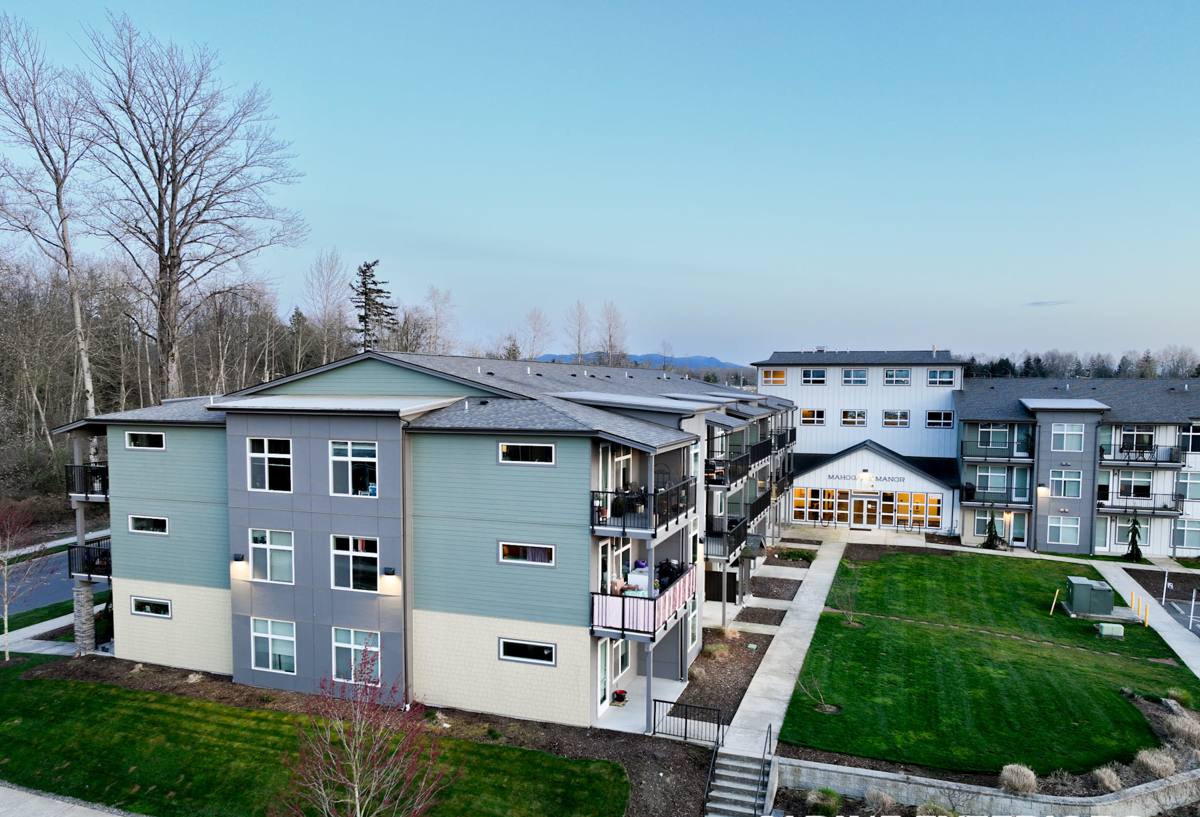
The Big Cost Drivers, In Order of Impact
1. Square Footage and Wall Complexity
The most obvious factor is also the biggest: total wall area. But square footage alone doesn't tell the whole story. A simple rectangular ranch with few corners and a low roofline installs faster and cheaper per square foot than a home with multiple gables, dormers, bump-outs, and tall second-story walls that require staging or lift equipment. Homes near the water in Birch Bay often have more glass and more architectural detail facing the view, which adds trim work and cutting time.
2. What's Underneath — Sheathing and Moisture Damage
This is the factor that turns an estimate into a surprise. Once the old siding is off, a contractor can finally see the sheathing, the house wrap, and the framing underneath. In a marine environment with driving rain and long wet winters, it's common to find soft or rotted sheathing behind old siding, especially around windows, at butt joints, and near ground contact. Replacing damaged sheathing isn't optional — installing new siding over rotten wood just resets the clock on the same failure. Any honest bid should include a per-sheet or per-hour rate for sheathing replacement as a contingency, because nobody knows the real extent until the walls are open.
3. Tear-Off vs. Overlay
Some contractors will quote installing new siding directly over old siding or old sheathing to save money. We don't do this. It hides problems instead of fixing them, and in a climate where moisture is the enemy, trapping an unknown moisture situation behind a new wall system is a bet against your own house. A full tear-off costs more up front because it includes disposal and more labor, but it's the only way to actually inspect and correct what's there.
4. Material Choice
This is where the biggest long-term cost difference shows up, and it's not just the price per square foot on day one — it's what the material asks of you for the next 20-30 years.
| Material | Upfront Cost | Maintenance Demands | How It Handles This Climate |
|---|---|---|---|
| Vinyl | Lower | Low, but limited repair options | Can warp/buckle with heat-cold cycling; seams and moisture behind it are a long-term concern near the water |
| Primed spruce/cedar | Moderate | High — repainting and caulk maintenance every few years | Wood is the most vulnerable to constant damp, salt air, and moss; failure shows up as rot, not just cosmetic wear |
| LP SmartSide (engineered wood) | Moderate | Moderate — edge sealing and caulk maintenance matter a lot | Engineered wood strand product; edge and cut-end sealing is critical in a wet marine climate, and installation errors are unforgiving |
| James Hardie fiber cement | Moderate to higher | Low — factory finish, no repainting cycle | Non-combustible, dimensionally stable, engineered moisture and freeze-thaw resistance; this is what we install |
5. Trim, Accessories, and Detail Work
Corner boards, window and door trim, fascia, soffit work, and starter strips all add labor and material cost that don't show up in a simple "per square foot of siding" number. Homes with more architectural detail — and many Birch Bay homes have that, given the coastal setting — will have proportionally more trim cost than a plain box.
6. Access and Site Conditions
Steep lots, limited driveway access, mature landscaping close to the house, and multi-story walls all add labor time. If equipment has to be hand-carried around a house instead of staged conveniently, that's real time on the clock.
Why We Don't Bid Every Material Homeowners Ask About
We get asked about vinyl, LP SmartSide, cedar, and other products regularly, and we're upfront about why we don't install them. It's not that these products have no place in the market — it's that we've made a professional judgment, based on this specific climate, that we don't want our name on a wall system we can't stand behind for the long haul.
Wood products need an ongoing maintenance commitment that most homeowners don't keep up with once the novelty of a fresh paint job fades — and in a marine environment with a long moss season, gaps in that maintenance show up as rot faster than they would inland. Vinyl is low-maintenance but has real limits in impact resistance, color retention under UV and salt exposure, and repairability when a section gets damaged. Engineered wood products can perform well, but they're installation-sensitive — cut ends and edges must be field-sealed correctly every time, and a missed step becomes a hidden problem years later. We'd rather install one product system correctly, understand its failure points cold, and stand behind it, than spread our crews thin across several products with different rules.
James Hardie fiber cement is what we settled on. It's non-combustible, it's engineered specifically for wet regional climates through Hardie's HZ product lines, it holds its ColorPlus factory finish without a repainting cycle, and it comes with a strong transferable warranty that matters if you sell the home. It isn't the cheapest material on the shelf, but it's the one we're comfortable putting on a house that's going to face decades of Pacific Northwest weather.
What Drives Up Cost in a Salt Air, High-Moisture Climate Specifically
- Fastener and flashing quality: stainless or coated fasteners and properly detailed flashing cost more but resist corrosion near saltwater exposure
- Rain screen and drainage detailing: proper water-resistive barrier and drainage gap installation adds labor but prevents moisture from being trapped against the wall
- Caulk and sealant quality at joints: cheaper sealants fail faster under constant damp-dry cycling and UV, and re-caulking is a maintenance cost most homeowners don't budget for
- Moss and algae exposure on shaded, north-facing walls: may call for factory-applied finishes that resist growth better than field-painted surfaces
Reading a Bid: What Should Actually Be In There
A complete, honest siding bid for a Birch Bay home should spell out each of the following. If a bid is vague on these points, ask directly before signing anything.
- Full tear-off and disposal of existing siding, not overlay
- A clear rate for sheathing repair or replacement if rot is found once walls are open
- Specified house wrap or weather-resistive barrier product and installation method
- Fastener type and corrosion resistance rating
- Trim, corner, and soffit/fascia scope spelled out separately from field siding
- Material manufacturer, product line, and color/finish specified by name
- Warranty terms in writing — both material warranty and workmanship warranty
- Timeline and a plan for weather delays, given how often rain interrupts exterior work here
Rough Cost Ranges — and Why We Won't Give You a Number Without Seeing the House
Any number quoted online without seeing your home is a guess dressed up as an estimate. Wall complexity, existing damage, and material choice swing project cost significantly from one house to the next, even at the same square footage. What we can tell you honestly: fiber cement siding costs more upfront than vinyl and roughly comparable to or somewhat more than engineered wood, but it eliminates the recurring repainting cost that wood-based products carry over a 20-30 year ownership window. When homeowners run the real math over the time they expect to own the home, the gap narrows or disappears.
What a Straightforward Replacement Timeline Looks Like
Most single-family homes in this area move through tear-off, sheathing inspection and repair, house wrap installation, and siding and trim installation over roughly one to three weeks of active work, weather permitting. Whatcom County's wet season can stretch that timeline — a contractor working here should plan around rain delays as a normal part of scheduling, not treat them as an excuse after the fact.
Get a Real Number for Your House
The only way to get an accurate cost is to have someone look at your specific walls, your specific exposure, and your specific trim detail. If you'd like a straightforward, no-pressure estimate for your Birch Bay home, the form below gets you a real number based on your actual house — not a range pulled from a website.