 Birch Bay
 California Creek's Exterior Climate: What Homes Are Actually Up Against
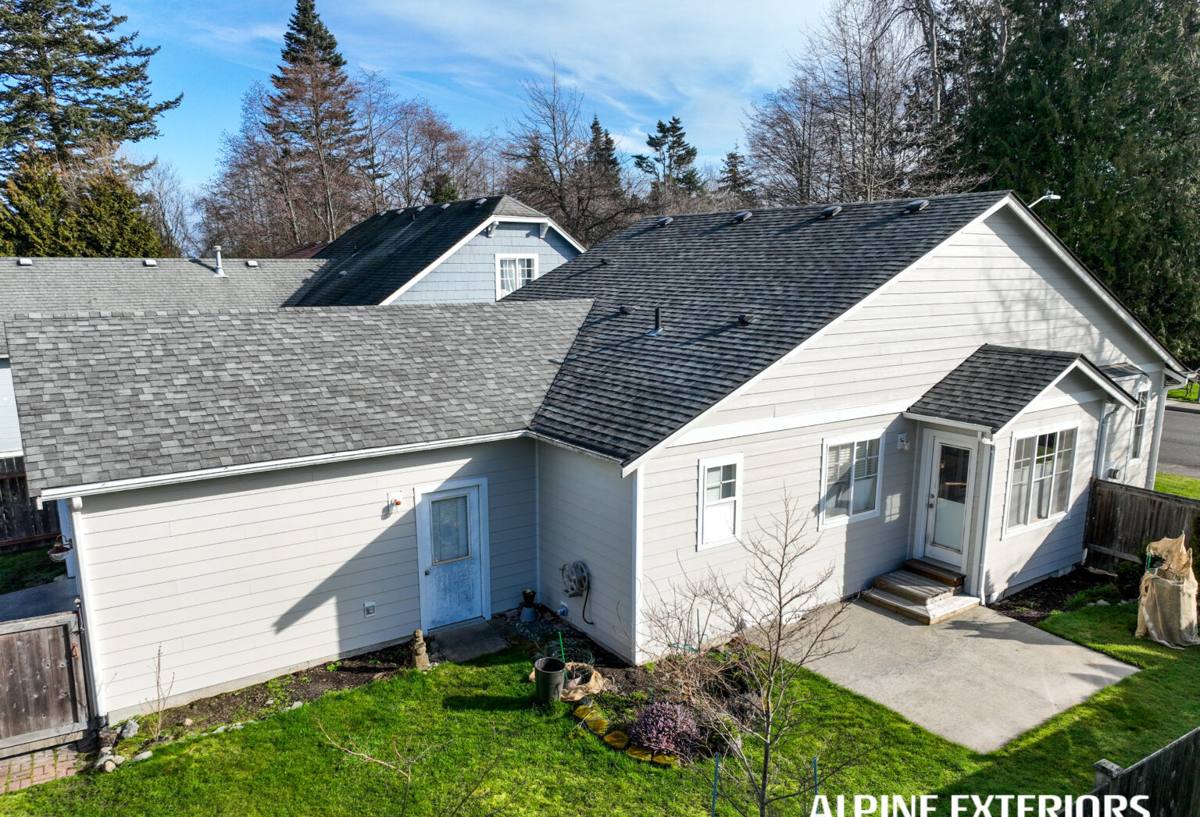
California Creek sits within Birch Bay's stretch of Whatcom County, close enough to the water that salt-laden air is part of daily life for every home in the area. That air doesn't just smell like the coast — it carries fine salt particulate that settles on siding, trim, and fasteners year-round, slowly working on anything that isn't built to resist it. Add in the region's long, wet fall-through-spring stretch of driving rain, frequent wind off the water, and the shaded, moisture-trapping conditions that let moss and algae take hold on north-facing walls and eaves, and you have an exterior environment that is genuinely harder on a house than most inland Washington neighborhoods.
None of that means a home in California Creek is doomed to constant repairs. It means the siding, trim, and flashing details need to be chosen and installed with this specific climate in mind, not treated as an afterthought. That's the whole reason a local exterior crew — one that works Birch Bay and Whatcom County homes every week and knows exactly how salt air and moss season behave here — matters more than it would somewhere drier and calmer.
How Salt Air, Rain, and Moss Actually Damage a House
Salt Air
Salt is hygroscopic — it pulls moisture out of the air and holds it against whatever surface it lands on. On siding, that means longer damp exposure than a home further inland would ever see, plus accelerated corrosion on any exposed metal fasteners, flashing, or hardware that isn't corrosion-resistant. Paint and finishes that aren't formulated to shed salt residue tend to chalk, dull, and fail years ahead of schedule.
Driving Rain and Wind-Driven Moisture
Birch Bay gets rain that doesn't just fall straight down — wind off the water pushes it sideways into wall assemblies, which is exactly the condition that exposes weak flashing, poor caulking, and gaps at seams and penetrations. Over time, wind-driven rain finds every shortcut in an installation.
Moss and Algae
Shaded walls, tree cover, and the region's long damp season give moss and algae months to establish themselves on siding that holds moisture. Beyond the cosmetic effect, moss holds water against the surface underneath it, which is a problem for any material that isn't dimensionally stable and rot-resistant.
Why Material Choice Is the Real Decision
Most siding problems we get called out for aren't caused by bad luck — they're caused by a material that was never a great match for this climate in the first place. Vinyl siding can warp, fade, and become brittle with age, and its seams and J-channels give wind-driven rain places to work in behind the panel. Primed wood and cedar look good on day one but require an ongoing paint and caulk maintenance schedule to hold up against constant damp exposure, and once moisture gets behind the finish, rot follows. Engineered wood products like LP SmartSide use a wood-strand core that, while treated, is still wood at its core — meaning any breach in the factory coating or a caulking failure at a seam is a moisture entry point with real consequences over time.
This is why our company made a deliberate decision: we install James Hardie fiber cement siding exclusively. We don't offer vinyl, LP SmartSide, Cemplank, Allura, primed spruce, or cedar as options, not because those products don't have their place somewhere, but because after years of exterior work in exactly this climate, fiber cement is the material we're willing to put our name behind for Whatcom County's salt air and moss season.
Material Comparison for a Salt-Air, High-Moisture Climate
| Material | Salt Air Resistance | Moisture Behavior | Maintenance Load | Fire Rating |
|---|---|---|---|---|
| Vinyl | Doesn't corrode, but can chalk and become brittle | Seams allow water intrusion behind panel | Low, but limited repair options once damaged | Combustible |
| Cedar / Primed Wood | Salt accelerates finish breakdown | Rot risk once coating fails | High — regular repaint/recaulk | Combustible |
| LP SmartSide | Coating must stay intact to protect wood-strand core | Vulnerable at seams and cut edges if not sealed correctly | Moderate — coating and caulk upkeep | Combustible |
| James Hardie Fiber Cement | Engineered for coastal/humid climates (HZ product lines) | Dimensionally stable, resists moisture-driven warping | Low — factory finish holds up over decades | Non-combustible |
Why James Hardie Is What We Install
James Hardie fiber cement is a cement, sand, and cellulose fiber composite, not a wood product and not a plastic one. That composition is the reason it doesn't warp, rot, or feed moss and algae the way organic materials can, and it's why it holds paint and factory finishes far longer than wood-based sidings in a damp, salty climate like this one.
Climate-Engineered Product Lines
Hardie makes region-specific "HZ" formulations engineered for different climate zones, including the wetter, more humid conditions found across the Pacific Northwest. That's a meaningfully different product than a generic siding designed for a dry climate and shipped everywhere.
ColorPlus Factory Finish
Rather than relying on field-applied paint that has to cure correctly on-site and gets touched up over the years, Hardie's ColorPlus finish is baked on in a controlled factory setting. It resists fading and chalking far longer than typical field-applied paint, which matters directly in an environment where salt residue and UV exposure both work against a finish.
Non-Combustible
Fiber cement doesn't burn, which is worth noting for any homeowner in Washington's wildfire-conscious insurance climate, even in a coastal community like California Creek.
Warranty
Hardie backs its siding with a strong, transferable limited warranty — meaningful protection on a material that's meant to last for decades, and a real asset if the home is ever sold.
What a Siding Project Looks Like Here
- On-site assessment of the existing siding, sheathing, and any moisture or rot damage hiding behind it
- Review of flashing, house wrap, and window/door penetrations — the details that determine whether wind-driven rain stays out
- Material and color selection from Hardie's plank, shingle, and panel lines
- Removal of old siding and correction of any water damage or deteriorated sheathing found underneath
- Installation to Hardie's published fastening, clearance, and flashing specifications — the details that actually determine long-term performance
- Final inspection and walkthrough
That third step is worth underlining: fiber cement performs the way it's supposed to only when it's installed correctly — proper fastener type and spacing, correct clearance from grade and roof lines, and flashing detailed to shed water, not trap it. A rushed or improperly detailed installation can undercut even the best material, which is part of why installation quality matters as much as the product choice itself.
Beyond Siding: A Whole-Exterior Approach
Siding doesn't work in isolation — it's one piece of the building envelope alongside the roof, windows, and any attached structures like decks. We handle all four because they interact directly: a roof that's shedding water poorly can drive moisture down behind siding at the eaves, aging windows create gaps that let wind-driven rain track in around the frame, and a deck ledger board attached without proper flashing is one of the most common hidden rot points on coastal homes. Looking at the exterior as one connected system, rather than a series of separate trades, is how problems actually get caught and fixed instead of just relocated.
Cost Factors Homeowners in California Creek Should Know
| Factor | Why It Matters Here |
|---|---|
| Home size and wall complexity | More corners, dormers, and trim details mean more labor and cut waste |
| Extent of hidden damage | Salt air and past moisture intrusion sometimes mean sheathing repair before new siding goes on |
| Siding profile (lap, shingle, panel) | Different Hardie profiles carry different material and install costs |
| Trim and accessory work | Corner boards, fascia, and window trim replacement often go hand-in-hand with siding |
| Access and site conditions | Slopes, tight lot lines, and vegetation common in this area can affect labor time |
Every home is different, and the only way to get real numbers is a walk-through — broad ballparks without seeing the house tend to be more misleading than useful.
Signs Your Siding Is Losing the Fight
- Persistent moss or algae growth that returns shortly after cleaning
- Paint that's chalking, peeling, or fading unevenly, especially on walls facing prevailing wind and rain
- Soft or spongy spots when pressed, a sign moisture has gotten behind the material
- Visible warping, buckling, or gaps opening up at seams and corners
- Rust staining running from fasteners or flashing
- Rising energy bills that could point to a compromised building envelope
- Interior wall or ceiling stains near exterior walls
Why a Local Crew Matters in California Creek
A crew that works Whatcom County exteriors regularly knows which walls in this area take the worst of the wind-driven rain, how aggressive the moss season really gets under tree cover near the water, and how salt exposure changes maintenance expectations compared to an inland install. That local knowledge shows up in the small decisions — flashing details, fastener choices, where extra attention to sealing matters most — that a crew unfamiliar with this specific coastal environment might not think to prioritize.
If you're weighing siding, roofing, window, or deck work on a California Creek home, we're happy to take a look and talk through what we're actually seeing on your house — no pressure, no pushy sales pitch. Reach out for a free estimate using the form below.