 Birch Bay
 Why Ferndale Roofs Wear Differently Than Roofs Inland
Ferndale sits close enough to the Salish Sea and Birch Bay that homes here deal with a mix of weather most inland Washington towns don't have to think about. Salt-laden air off the water works on exposed metal and fastener heads. Driving rain, pushed sideways by wind off the bay, finds its way into laps and flashing that would stay dry on a calmer site. And the long, wet stretch of fall through spring gives moss and algae months at a time to take hold on a north-facing slope or anywhere shaded by fir and cedar. None of this means asphalt shingle roofing is a bad choice for a Ferndale home — it remains one of the most practical, cost-effective roofing systems available. It does mean the installation details matter more here than they would in a drier climate, and cutting corners on those details shows up faster on a Whatcom County roof than it would somewhere else.
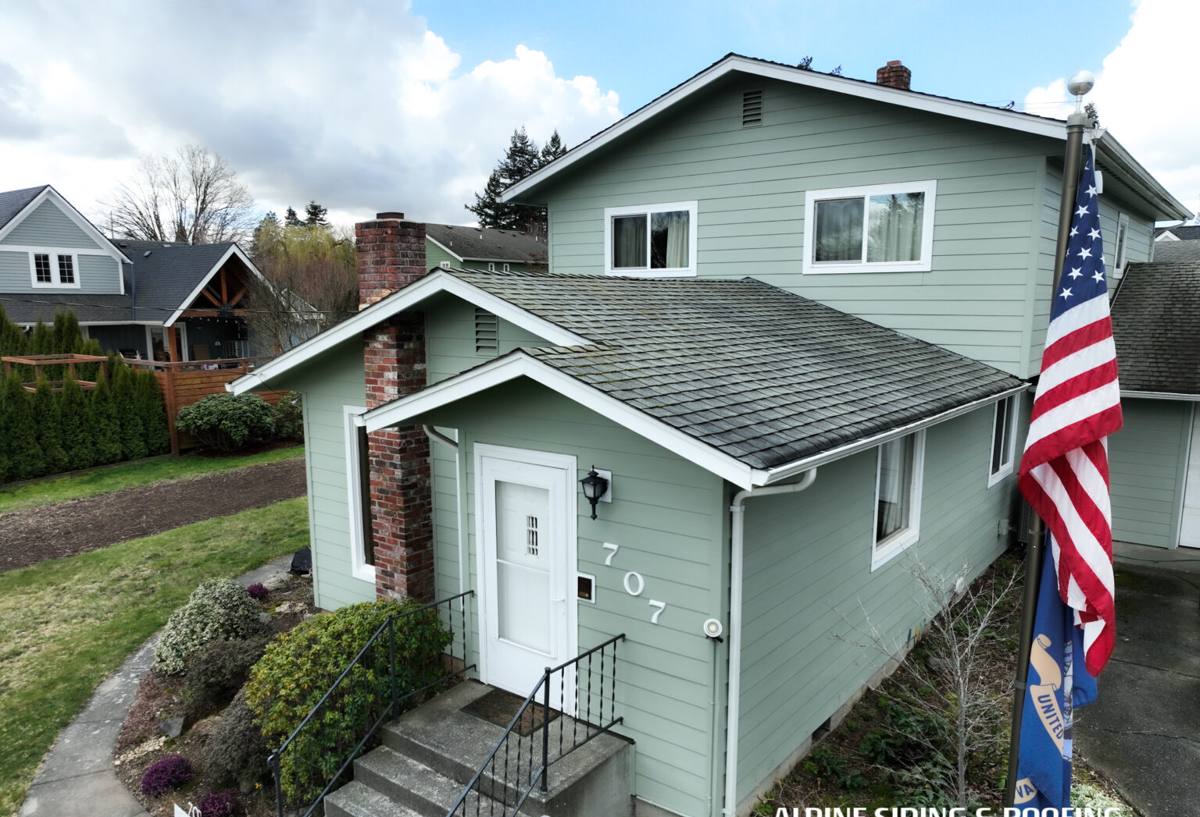
What a Correct Asphalt Shingle Roof Needs in This Climate
A shingle roof is a system, not just a layer of shingles. In a coastal, high-moisture area like Ferndale, every layer underneath the shingles has to pull its weight.
Underlayment and Ice-and-Water Protection
We use synthetic underlayment rated for the exposure, with self-adhered ice-and-water membrane at eaves, valleys, and any low-slope transitions where wind-driven rain is most likely to back up under the shingle course. This is the layer that saves a roof deck when a storm pushes rain uphill instead of letting it run off.
Flashing That's Built for Salt Air
Step flashing, valley flashing, and pipe boots take a beating from salt air near the bay. We favor corrosion-resistant metals and proper lap sequencing over caulk-and-hope repairs, because caulk fails years before well-formed flashing does, and a flashing failure is one of the most common reasons a shingle roof leaks long before it should.
Ventilation and Moisture Control
Balanced intake and exhaust ventilation keeps moisture from condensing in the attic, which matters in a climate where the air itself is often near saturation. Poor ventilation shortens shingle life from underneath, curling and cracking shingles years early even when the surface looks fine from the ground.
Choosing the Right Shingle for a Ferndale Home
Not every asphalt shingle handles this climate the same way. The biggest differences come down to weight, wind rating, and how well the shingle resists algae and moss growth over time.
| Shingle Type | Typical Lifespan | Algae/Moss Resistance | Best Fit |
|---|---|---|---|
| Standard 3-tab | Shorter end of the range | Lower unless treated | Budget-driven projects, secondary structures |
| Architectural (dimensional) | Mid to long range | Better with algae-resistant granules | Most Ferndale homes; better wind performance |
| Algae-resistant, copper/zinc-granule lines | Long range | Best available in asphalt shingles | Shaded lots, north-facing slopes, tree cover |
For most homes in and around Ferndale, we lean toward architectural shingles with algae-resistant granules as the baseline, not an upgrade. Given how much of the year this area spends damp, the modest cost difference over standard 3-tab shingles tends to pay for itself in reduced staining and a longer real-world service life.
Wind Rating Matters More Near the Water
Homes closer to Birch Bay and open water see more sustained wind exposure than roofs tucked further inland. We check the manufacturer's wind rating against the shingle's actual fastening pattern — a high-wind-rated shingle installed with the standard nailing pattern doesn't get the rating's benefit. This is a detail that's easy to skip and easy to check after the fact, which is part of why it gets skipped.
Moss Prevention Belongs in the Install, Not Just the Maintenance Plan
Moss doesn't just sit on top of a shingle roof — it holds moisture against the surface, lifts shingle edges as it grows, and works its way into fastener lines over time. In a moss season that can run several months a year in this part of Whatcom County, prevention needs to start during installation, not as an afterthought once growth is already visible.
- Zinc or copper strips installed near the ridge, which release trace metal ions that inhibit moss and algae growth as rain washes over the roof
- Algae-resistant shingle granules built into the shingle itself, rather than relying on surface treatments
- Attention to any overhanging tree cover that keeps a slope shaded and slow to dry
- Proper valley and gutter detailing so standing water and debris don't collect against shingle edges
We'll also talk through realistic maintenance expectations — gentle moss removal on a schedule that fits the roof, not pressure-washing, which strips granules and shortens shingle life faster than the moss itself would.
Our Process, Start to Finish
A reroof or major repair follows the same sequence on every job, adjusted for the specific roof in front of us.
- On-site inspection of the existing roof, decking, flashing, and ventilation — including a look in the attic where access allows
- A written scope and estimate that lays out shingle options, underlayment, and any decking repair contingencies before work starts
- Tear-off to bare decking (never installing new shingles over old, worn layers) with an inspection of the sheathing for soft spots or rot
- Decking repair where needed, then underlayment, ice-and-water membrane, and flashing installed in the correct sequence
- Shingle installation following manufacturer nailing and exposure specifications, not shortcuts
- Ridge vent and ventilation tie-in, followed by a final walk-through and cleanup
We pull the required permits and schedule inspections as needed for the project, and we don't consider a job finished until the roof has been walked and checked, not just viewed from the ground.
Signs Your Roof Is Telling You Something
Most shingle roof failures give warning before they turn into an interior leak. Worth a call if you're seeing any of the following on a Ferndale home:
- Granules collecting in gutters or at the base of downspouts
- Shingle edges curling, cupping, or lifting, especially on south- or west-facing slopes
- Visible moss or dark algae streaking, particularly on shaded or north-facing sections
- Soft spots underfoot on the roof deck, or sagging visible from the ground
- Daylight visible through the roof deck from inside the attic
- Rusted or lifted flashing around chimneys, vents, or valleys
- A roof approaching or past 20 years old with no major work done
Catching these early is usually the difference between a repair and a full reroof, so it's worth having a roof looked at even if nothing is actively leaking yet.
What Actually Drives Cost
Every roof is priced on its own specifics, but the same handful of factors move the number up or down on nearly every job we quote in this area.
| Factor | Why It Matters | Effect on Cost |
|---|---|---|
| Roof pitch and complexity | Steeper or multi-plane roofs take longer and require more safety setup | Higher |
| Decking condition | Rot or soft sheathing found during tear-off needs replacement before shingles go on | Variable, found during tear-off |
| Shingle grade chosen | Standard vs. algae-resistant vs. heavier architectural products | Moderate |
| Tear-off layers | Removing multiple existing layers takes more labor and disposal | Moderate to higher |
| Ventilation and flashing upgrades | Bringing older systems up to current standards | Moderate |
| Access and site conditions | Tree cover, tight lot lines, or difficult staging | Low to moderate |
We'd rather walk a homeowner through these factors on their actual roof than quote a number that doesn't hold up once tear-off starts. That's also why our estimates spell out what's included, so there's no guessing later.
Why a Crew That Already Works in Ferndale Matters
Roofing crews that work this specific stretch of Whatcom County see the same patterns repeatedly — which slopes hold moss, which flashing details fail first near the water, and what ventilation setups actually keep an attic dry through a wet Pacific Northwest winter. That familiarity shows up in fewer surprises during tear-off and fewer callbacks after the job is done. It also means straightforward access to local permitting processes and a crew that isn't learning this climate on your roof for the first time. A shingle roof installed correctly for Ferndale's conditions should outperform the same roof installed to a generic national spec, simply because the details were chosen for the weather it actually has to survive.
If your roof is showing wear, due for replacement, or you just want an honest look at where it stands, we're happy to come out for a free, no-pressure estimate — no obligation, just a straight assessment you can use however you'd like.