 Birch Bay
 When a Storm Hits Birch Bay Village, Your Roof Takes the First Hurt
Birch Bay Village sits close enough to open water that wind off the bay hits homes here differently than it hits houses further inland in Whatcom County. When a front moves through, the roof is the first thing exposed to sustained wind, wind-driven rain, and whatever debris gets picked up along the way. Most homeowners don't notice the damage right away — a few lifted shingles or a bent piece of flashing doesn't look dramatic from the ground, but it's often the start of a leak that shows up weeks later as a stain on a ceiling or a soft spot in the decking.
We repair storm-damaged roofs for homes throughout Birch Bay Village and the surrounding area. This page walks through what storm damage actually looks like here, what a correct repair involves, and how we approach the job so you're not paying for the same fix twice.
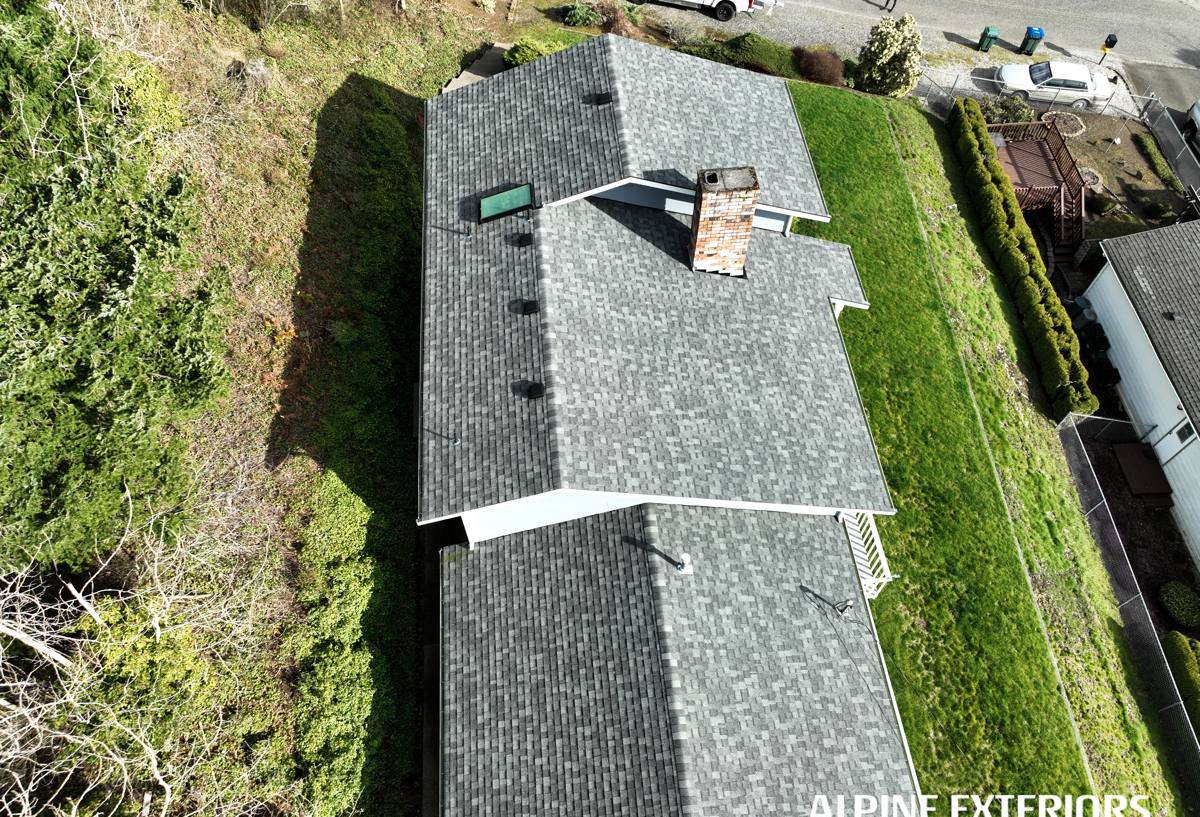
Signs Your Roof Needs a Look After a Storm
Not every sign of storm damage is visible from your driveway. Some of it you'll only catch by getting close, checking the attic, or watching what happens during the next hard rain. After any significant wind or rain event, it's worth walking the property and checking for the following:
- Shingles that are missing, cracked, curled at the edges, or visibly lifted
- Granules collecting in gutters or at downspout outlets — a sign shingles are wearing or were impacted
- Bent, loose, or missing flashing around chimneys, vent pipes, and skylights
- Soft or spongy spots when walking the roof, which can mean the decking underneath has taken on moisture
- New water stains, discoloration, or a musty smell in the attic or on ceilings
- Debris — branches, needles, or blown material — sitting directly on the roof surface or wedged against a ridge or valley
- Gutters pulling away from the fascia or sagging with standing water
If you see any of these, it's worth having a professional look before the next storm finds the weak point. Waiting rarely makes a roof problem smaller.
Why Birch Bay's Climate Is Especially Hard on Roofs
Salt Air and Metal Fatigue
Homes near the water in Birch Bay deal with a steady dose of salt-laden air, and that air is tough on the metal components of a roof — flashing, fasteners, gutter hardware, and any exposed metal trim. Salt exposure speeds up corrosion, which means fasteners can loosen and flashing seams can fail years sooner than they would on a roof further inland. A storm repair that ignores the condition of the metal is only addressing half the problem.
Driving, Wind-Driven Rain
Rain that comes in sideways behaves differently than rain that falls straight down. Wind-driven rain gets pushed up under shingle edges, into nail holes, and along flashing laps that would otherwise shed water fine. This is why a roof can pass a casual visual check and still leak during the next windstorm — the water isn't coming through a hole, it's being forced in at a seam.
The Long Moss Season
Western Washington's damp, mild climate keeps roofs wet for long stretches of the year, and Birch Bay is no exception. Moss and algae get a real foothold on shaded slopes and north-facing sections, and moss does more than look bad — it holds moisture against the shingle surface and works its way under tabs, which shortens the life of the roofing and makes storm damage worse once it happens, because the material underneath is already compromised.
What a Correct Storm Damage Repair Actually Involves
Diagnosing the Real Extent of Damage
The biggest mistake in storm repair is patching what's visible and stopping there. Wind damage often extends beyond the obvious spot — a few feet of lifted shingles at a ridge can mean the entire course lost its seal, even if only some of it tore loose. A proper repair starts with checking the full slope, not just the area where the leak showed up inside the house.
Matching Materials and Techniques to the Existing Roof
Shingles fade and weather over time, so a patch using mismatched material stands out and can also perform differently than the surrounding roof. We match shingle type, weight, and where reasonably possible, color, so the repair blends in and sheds water the same way the rest of the roof does. On older roofs where an exact match isn't available, we'll tell you that upfront rather than pretend otherwise.
Flashing, Underlayment, and the Details That Actually Stop Leaks
Most storm leaks trace back to flashing or underlayment, not the shingles themselves. A repair that only replaces surface shingles without checking the underlayment and flashing underneath is treating a symptom. We check step flashing at walls, counter-flashing at chimneys, and valley metal any time a repair is near one of those areas, because those are the places wind-driven rain finds its way in first.
Repair or Replace? How We Help You Decide
Not every storm-damaged roof needs a full replacement, and not every roof is a good candidate for another round of patching. The right call depends on a handful of factors, and we'll walk you through them honestly rather than push toward whichever job is bigger.
| Factor | Leans Toward Repair | Leans Toward Replacement |
|---|---|---|
| Roof age | Under roughly 15 years, in otherwise good condition | Near or past its expected service life |
| Damage extent | Isolated to one slope or a small area | Spread across multiple slopes or widespread lifted material |
| Decking condition | Solid, dry decking under the damaged section | Soft, delaminated, or repeatedly wet decking |
| Repair history | First significant repair on this roof | Several past patches already in place |
| Moss/algae condition | Light growth, manageable with cleaning | Heavy, long-term growth affecting shingle integrity broadly |
We'll give you a straight answer based on what we actually find, including the option to repair now and plan for replacement down the road if that's the more sensible path for your budget and timeline.
Our Process for Storm Damage Repairs in Birch Bay Village
- Inspection and documentation. We check the full roof, not just the reported problem area, and photograph everything we find.
- Written scope and estimate. You get a clear explanation of what's damaged, what needs to happen, and what it costs — no vague line items.
- Temporary protection if needed. If a leak is active or more weather is coming, we can get the area covered and protected before the full repair is scheduled.
- The repair itself. Matching materials, correct flashing and underlayment work, and fastening appropriate to our wind and rain exposure.
- Cleanup and walkthrough. We clear debris and old material, then walk the work with you before we consider the job done.
Working With Your Insurance Company
Many storm damage repairs go through homeowners insurance, and the documentation from that first inspection matters. We provide clear photos and a written scope that describes exactly what the storm caused, which helps your claim move without unnecessary back-and-forth. We don't inflate a scope to pad a claim, and we won't tell you something is storm damage when it's really wear and tear — an honest assessment protects you if the claim is ever reviewed, and it's simply the right way to do the work.
Why Local Experience in Birch Bay Village Matters
A crew that already works in Birch Bay Village knows what the roofs here tend to look like, how exposed a given lot is to wind off the water, and which details — flashing type, ventilation, moss buildup — tend to be the actual source of a leak rather than the guessed one. That familiarity means fewer surprises once we're on the roof, and it means we can usually get to a storm-damaged home faster than a crew that's driving in from outside the area. After a storm, response time is part of the repair — a tarped roof left too long turns a manageable repair into a bigger one.
Keeping Your Roof Ahead of the Next Storm
Storm repair and ongoing maintenance go together here. Keeping moss knocked back, gutters clear, and flashing checked once a year does more to prevent storm damage than any single repair can. If your roof already has some moss growth or a few areas of concern, mention it when we're out for a storm repair — it's often worth addressing at the same time rather than waiting for it to become its own emergency during the next round of Whatcom County weather.
If your roof took a hit in a recent storm, or you just want a second opinion before deciding between a repair and a replacement, we're happy to come take a look. Reach out for a free, no-pressure estimate using the form below.