 Birch Bay
 Why Birch Bay Village Windows Wear Out Differently Than Inland Homes
Birch Bay Village sits close enough to the water that homes here deal with a different combination of stresses than a house twenty miles inland in Whatcom County. Salt-laden air off the bay works on window hardware, aluminum trim, and exposed fasteners in ways that dry-climate windows never have to withstand. Add in driving rain that comes sideways during winter storms, and a long stretch of the year where surfaces simply don't get a chance to fully dry out, and you have a recipe for window failure that shows up years before it would in a less exposed location.
The moss and mildew season here isn't a minor cosmetic issue. When moisture sits against a window frame or sill for months at a time, it accelerates wood rot, corrodes metal components, and breaks down seals faster than manufacturers' standard warranty assumptions account for. A window that's rated to perform well for twenty years in a moderate climate can start showing real problems in half that time if it was installed without the flashing, sealing, and drainage details this coastal stretch of Whatcom County actually requires.
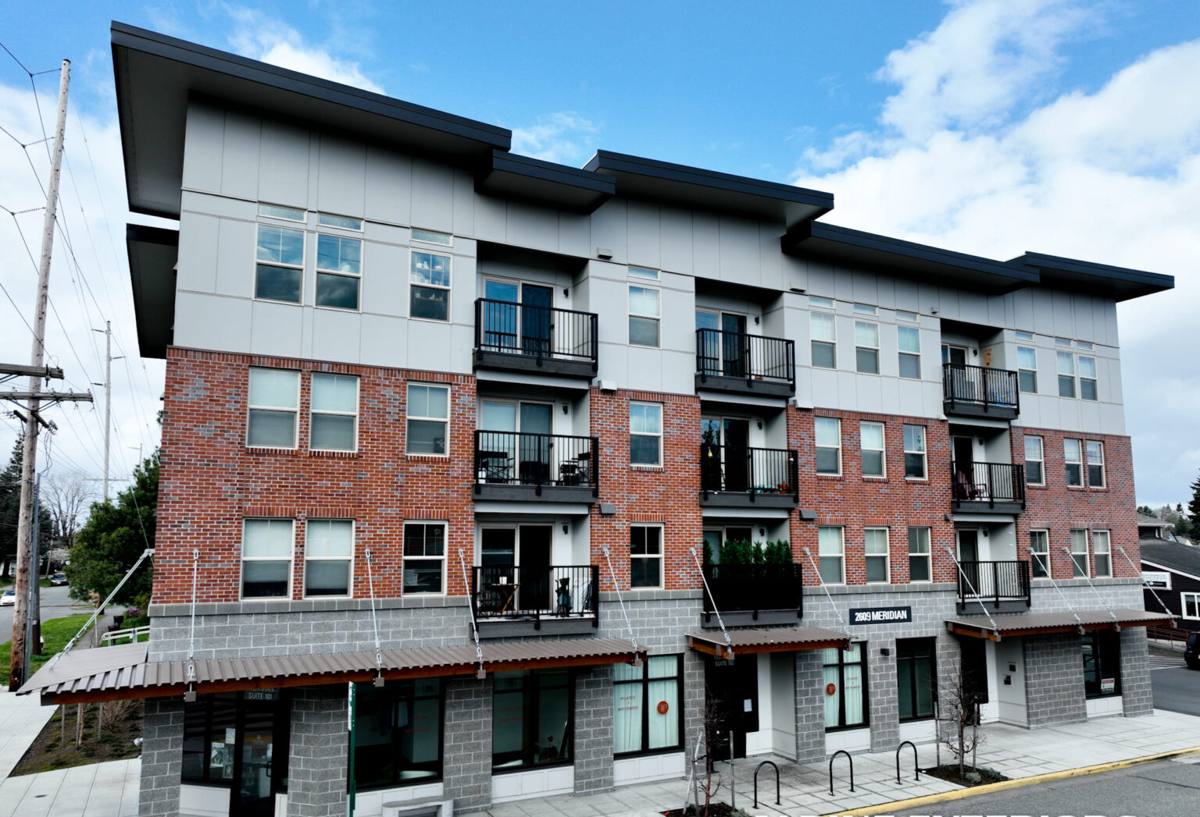
Signs a Birch Bay Village Home Needs Window Replacement
Homeowners often wait too long because early symptoms look minor. By the time a window is visibly failing, moisture has usually been getting into the wall assembly for a while. Watch for these signs, especially on walls facing the water or prevailing weather:
- Fogging or a permanent haze between glass panes (the seal has failed and the insulating gas has escaped)
- Soft or spongy wood at the sill or lower frame corners
- Visible gaps between the window frame and siding, or daylight showing around the edges
- Difficulty opening, closing, or locking the window — frames can swell or warp from repeated wetting
- Cold drafts near the window even when it's fully closed
- Paint or finish that's bubbling, peeling, or chalking faster than the rest of the exterior
- Visible moss, algae, or dark streaking building up on the sill or lower sash
- Noticeably higher heating bills without another clear explanation
Any one of these can be minor on its own. Two or three together, especially on the weather-facing side of the house, usually means the window and possibly the surrounding wall assembly need attention.
What a Correct Window Replacement Actually Involves
It's Not Just Swapping the Sash
A lot of window problems in this area trace back not to the window unit itself but to how it was installed. Full-frame replacement — removing the old window down to the rough opening — lets us inspect and fix the framing, sheathing, and flashing underneath, which is exactly where coastal moisture does its damage. Insert replacements (dropping a new sash into the old frame) are faster and cheaper, but they trap whatever moisture damage already exists behind the new unit. We'll tell you honestly which approach your home needs rather than defaulting to the cheaper option.
The Details That Matter in This Climate
Given the salt air and rain exposure typical of Birch Bay, a few installation details matter more here than they would in a drier part of the state:
- Flashing sequence — sill pan flashing, side flashing, and head flashing installed in the correct shingle-lap order so water is directed out and down, never trapped
- Sealant selection — using sealants and tapes rated for sustained UV and moisture exposure, not general-purpose caulk that breaks down after a season or two
- Fastener and hardware material — corrosion-resistant fasteners and hardware, since standard steel screws and hinges can rust prematurely this close to salt air
- Shimming and squaring — a window that isn't shimmed square will bind, leak, or fail its seals early regardless of how good the unit itself is
- Interior and exterior air sealing — insulating the gap between frame and rough opening properly, without over-packing it, which can bow the frame
Frame Materials for a Coastal Setting
| Frame Material | How It Handles Salt Air & Moisture | Maintenance Burden |
|---|---|---|
| Vinyl | Doesn't corrode or rot; performs consistently in salt air | Low — occasional cleaning |
| Fiberglass | Very stable, resists warping and doesn't corrode | Low |
| Aluminum | Can pit or corrode over time in salt air unless properly coated | Moderate — watch for corrosion |
| Wood (unclad) | Attractive but vulnerable to rot without diligent upkeep in this climate | High — regular refinishing needed |
| Wood-clad (vinyl or aluminum exterior) | Good compromise — protected exterior, wood interior look | Low to moderate |
We don't push one brand or material on every home. The right choice depends on your home's exposure, your budget, and how much upkeep you actually want to do. We'll walk through the honest trade-offs for your specific walls rather than a one-size-fits-all recommendation.
How Our Process Works
1. On-Site Assessment
We look at each window from both sides — glass, frame, sill, and the wall assembly around it — and check for hidden moisture damage, not just the visible symptoms you called about. We'll tell you honestly if a window can be repaired instead of replaced.
2. Straightforward Estimate
You get a clear breakdown of scope: how many windows, what type of replacement (insert vs. full-frame), any framing repair needed, and material options with real trade-offs explained — not just a single number with no explanation behind it.
3. Scheduling Around Weather
Given how much rain this area gets, we plan installation days around forecasts and work in a sequence that never leaves a wall opening exposed overnight. Openings are protected and sealed at the end of every work day, no exceptions.
4. Installation
Old units are removed carefully to avoid damaging siding or trim we're not replacing. Rough openings are inspected and repaired as needed before the new window goes in, with full attention to the flashing and sealing details described above.
5. Final Check and Cleanup
Every window is tested for smooth operation, proper locking, and a clean seal before we consider the job done. We clean up job site debris and old materials before we leave.
Permits, Energy Code, and What's Required
Window replacement in Whatcom County generally requires a permit when the work involves structural changes to the rough opening or when it's part of a larger remodel; straightforward like-for-like replacements are often simpler, but requirements can vary by jurisdiction and project scope. We handle the permit question as part of the estimate so you're not caught off guard.
Washington's energy code also sets minimum performance requirements for replacement windows — things like U-factor (how well the window resists heat transfer) and solar heat gain. Meeting code isn't just a box to check; in a home exposed to bay winds and long wet winters, a window that barely meets minimum performance will feel drafty and cost more to heat than one selected with a bit of margin above the minimum.
Cost Factors to Understand Before You Get Quotes
| Factor | Why It Changes the Price |
|---|---|
| Insert vs. full-frame replacement | Full-frame costs more but is often necessary where moisture damage exists |
| Frame material | Vinyl and fiberglass options vary widely in price; wood-clad typically costs more |
| Glass package | Double vs. triple pane, low-E coatings, and gas fill all affect cost and performance |
| Hidden framing repair | Rot or water damage found once the old window is removed adds labor and material |
| Number and size of openings | Larger or custom-sized windows cost more than standard stock sizes |
| Access and site conditions | Second-story or hard-to-reach windows take more time and equipment |
Be cautious of any quote that's dramatically lower than others without explanation — it often means a cheaper insert-style install, lower-grade materials, or corners cut on flashing and sealing that won't show up as a problem until a few winters have passed.
Why Hiring a Crew That Already Works Birch Bay Village Matters
A contractor who's worked on homes throughout this stretch of Whatcom County already understands how exposed a given block or street tends to be, what kind of wear is typical for homes of a certain age here, and which installation details actually hold up against the salt air and rain this area sees year-round. That's different from a crew that mainly works inland and treats every job the same way regardless of location.
Local familiarity also means faster, more accurate estimates — we're not guessing at how your home's exposure compares to a job we did somewhere drier. And when it comes to warranty service or a follow-up question a year or two down the road, working with a crew that's genuinely local and easy to reach beats dealing with an out-of-area company that installed once and moved on.
Maintenance That Extends the Life of New Windows
Even a well-installed window benefits from a little seasonal attention in this climate:
- Rinse salt residue and grime off frames and glass a few times a year, especially after storms
- Check and clear weep holes (small drainage openings at the bottom of the frame) so they don't clog with debris or moss
- Inspect exterior caulk and sealant annually and touch up any cracking before it lets water in
- Keep gutters and downspouts clear so runoff isn't sheeting directly onto window heads
- Operate locks and hardware periodically, even on windows you rarely open, to keep mechanisms from seizing
None of this is complicated, but skipping it is one of the most common reasons a good window install underperforms its expected lifespan in a coastal Whatcom County location.
If your windows in Birch Bay Village are showing any of the signs above, or you're simply ready to stop fighting drafts and fogged glass, we're happy to take a look and put together a straightforward, no-pressure estimate. Use the form below to get started.