 Birch Bay
 Why California Creek Roofs Wear Out Faster Than You'd Expect
California Creek sits close enough to the water that homes here deal with a different set of stresses than roofs even a few miles inland in Whatcom County. Salt-laden air off the Salish Sea works on exposed metal year-round, driving rain during fall and winter storms finds its way into any weak seam or aging flashing detail, and the long stretch of wet, low-sun months from October through April keeps roof surfaces damp long enough for moss and algae to take hold. None of this means a roof here needs to be exotic or overbuilt — it means the details that get skipped on a lot of jobs are exactly the details that matter most in this neighborhood.
A roof that would hold up fine in a dry inland climate can fail early here if the underlayment, flashing, and ventilation aren't matched to what Birch Bay actually throws at a house. That's the difference between a new roof installation that lasts its full rated life and one that starts showing leaks or moss damage in year eight or nine.
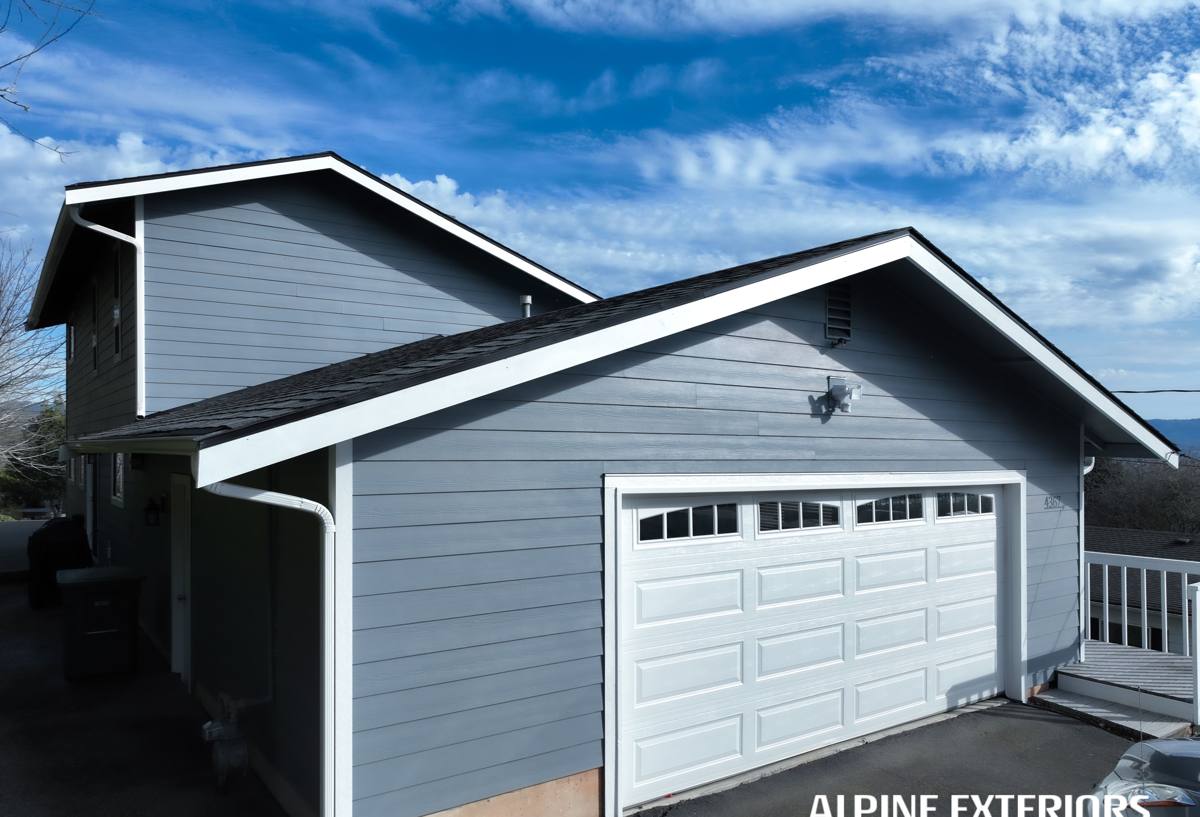
What a Correct New Roof Installation Actually Involves
A new roof is more than stripping old shingles and nailing down new ones. The parts of the job that don't show once it's finished are usually the parts that determine whether the roof performs for the next 20 to 30 years.
Tear-Off and Deck Inspection
We remove the existing roofing down to the deck rather than layering over it. That lets us actually see the plywood or OSB sheathing underneath — which, on older California Creek homes, sometimes has soft spots or delamination from years of slow moisture intrusion around old flashing or vents. Any damaged decking gets replaced before anything new goes down. Skipping this step is one of the most common shortcuts in the industry, and it's also the one most likely to cause problems you can't see until the new roof is already leaking.
Underlayment and Water Protection
Given how much driving rain this area sees, we pay close attention to underlayment coverage — not just a single layer stapled down quickly, but proper overlap, sealed seams where needed, and extra ice-and-water membrane at vulnerable points like eaves, valleys, and roof-to-wall transitions. This is the roof's last line of defense if wind-driven rain ever gets past the shingles, and in a coastal-adjacent area, it will get tested.
Flashing Details
Flashing around chimneys, skylights, vent pipes, and wall intersections is where most roof leaks actually start — not in the field of the shingles themselves. We install new flashing rather than reusing old pieces, and we choose metal that holds up to salt air rather than mild steel that can start rusting within a few seasons this close to the water.
Ventilation
A roof deck that can't breathe traps moisture underneath the shingles, which shortens shingle life and can lead to rot in the sheathing. We check that intake (usually at the soffits) and exhaust (ridge or roof vents) are balanced for the size of the attic, correcting anything that's undersized or blocked before the new roofing goes on.
Choosing the Right Roofing Material for This Climate
There's no single "best" roofing material for every home — the right choice depends on your roof's pitch, your home's style, your budget, and how much long-term maintenance you're willing to do. Here's how the common options stack up for a coastal Whatcom County property like one in California Creek.
| Material | Moss/Algae Resistance | Salt Air Durability | Typical Lifespan |
|---|---|---|---|
| Standard 3-tab asphalt shingle | Moderate — needs regular cleaning | Good with proper flashing | 15–20 years |
| Architectural (dimensional) asphalt shingle | Moderate to good, especially algae-resistant lines | Good with proper flashing and fasteners | 25–30 years |
| Standing-seam metal | Very good — sheds moss and debris well | Excellent when finished/coated correctly | 40–50+ years |
| Synthetic composite shingle | Good | Good | 30–40 years |
Architectural asphalt shingles remain the most common choice on California Creek homes because they balance upfront cost, appearance, and durability well. Metal is worth considering on steeper roofs where moss buildup is a bigger long-term headache, since debris and standing moisture have a harder time clinging to a smooth metal surface. Whatever material you choose, we always recommend asking about algae-resistant granules — many manufacturers now build copper or zinc compounds into the granule coating specifically to slow moss and algae growth, which matters a lot more here than in a drier part of the state.
Moss and the Long Wet Season
Whatcom County's wet season runs long, and California Creek's tree cover and proximity to the water keep roof surfaces damp for extended stretches even between storms. Moss doesn't just look bad — as it grows, it holds moisture against the shingle surface and can work its way under shingle edges, lifting them and creating entry points for water.
A new roof installation is the right time to build in some moss prevention rather than treating it as an afterthought:
- Zinc or copper strips installed near the ridge let rain carry trace metal ions down the roof surface, which inhibits moss and algae growth over time
- Trimming back overhanging branches reduces shade and debris buildup, both of which accelerate moss growth
- Keeping gutters clear prevents water from backing up under the shingle edge, which is one of the most common places moss gets started
- Choosing algae-resistant shingles up front reduces how often the roof needs manual cleaning
None of these steps eliminate the need for occasional roof cleaning, but together they meaningfully slow how fast moss becomes a problem — which matters when moss removal done incorrectly (pressure washing, scraping) can do more damage to shingles than the moss itself.
Salt Air and Coastal Corrosion
Homes closer to the water deal with airborne salt that accelerates corrosion on unprotected metal — fasteners, flashing, vent caps, and gutter hardware included. A roof that looks fine on the shingles but was installed with standard galvanized fasteners or basic mild-steel flashing can develop rust streaks and weak points well before the shingles themselves wear out.
For roofs in this area, we default to fasteners and flashing rated for coastal exposure — typically stainless steel or heavier-gauge coated materials rather than the minimum-grade hardware that's fine in a drier, inland location. It costs a little more up front and saves a lot of grief ten or fifteen years down the road when the alternative is fasteners backing out or flashing rusting through.
Our New Roof Installation Process
We keep the process straightforward and communicate at each stage so you're not left guessing what's happening on your own roof:
- Inspection and estimate — we walk the roof, check the decking where accessible, note flashing points and ventilation, and put together a written scope and price
- Material selection — we go over shingle or metal options, colors, and warranty terms so you understand the trade-offs before committing
- Tear-off — old roofing is stripped completely, and the deck is inspected and repaired as needed
- Underlayment and flashing — new underlayment, ice-and-water membrane at vulnerable areas, and new flashing throughout
- Installation — new roofing material installed to manufacturer spec, including proper nailing patterns and exposure
- Ventilation check — intake and exhaust venting confirmed and corrected if needed
- Cleanup and final walkthrough — job site cleared, magnetic sweep for stray fasteners, and a final inspection with you before we call it done
Signs a California Creek Home Might Need a New Roof
Not every roof problem means a full replacement, but these are the signs worth having looked at sooner rather than later, especially heading into another wet season:
- Shingles that are cupping, curling, or missing granules in patches
- Heavy moss growth that's lifting shingle edges rather than just sitting on the surface
- Daylight visible through the roof deck from inside the attic
- Water stains on ceilings or in the attic after heavy rain
- Rusting or visibly deteriorating flashing around chimneys, vents, or skylights
- A roof that's 20+ years old and hasn't had a full replacement
What Affects the Cost of a New Roof
Every roof is priced individually, but the same handful of factors drive most of the variation in cost from one home to the next:
| Factor | Why It Matters |
|---|---|
| Roof size and pitch | More square footage and steeper pitches mean more material and labor time |
| Number of existing layers | Extra tear-off work if the roof was previously layered over instead of stripped |
| Decking condition | Rotted or delaminated sheathing needs to be replaced before new roofing goes on |
| Material choice | Asphalt, metal, and composite options carry different material and labor costs |
| Roof complexity | Valleys, dormers, skylights, and multiple penetrations add flashing work and time |
| Access | Steep sites or limited staging area can affect labor and equipment needs |
We provide a written estimate that breaks these factors down for your specific roof rather than a generic square-footage number, so you know exactly what you're paying for and why.
Why Local Experience in California Creek Matters
A crew that regularly works in and around Birch Bay already knows what this coastline does to a roof over time — where moss tends to build up first, which flashing details fail early from salt exposure, and how much ventilation an attic in this climate actually needs. That local pattern recognition shows up in fewer callbacks and a roof that's built for the conditions it's actually going to face, not just a generic spec sheet. It also means we're familiar with Whatcom County permitting requirements and can walk you through that part of the process without added confusion.
If your roof is showing its age or you're planning ahead for a replacement, we're happy to take a look and talk through honest options for your home. Reach out for a free, no-pressure estimate using the form below.