 Birch Bay
 Why Cherry Point Roofs Wear Differently
Homes around Cherry Point sit right where the marine air off the Strait of Georgia meets a long, wet Whatcom County winter. That combination is harder on a roof than most homeowners realize. It's not one dramatic storm that does the damage — it's the slow, steady combination of salt-laden air, driving rain that comes in sideways off the water, and months of shade and moisture that let moss take hold. A roof built for a drier inland climate, or installed without that combination in mind, will show its age here years before it should.
We work on homes throughout Birch Bay and the surrounding area, and Cherry Point roofs get their own kind of attention. The goal on every job is the same: a roofing system that's specified, flashed, and ventilated for exactly the conditions this stretch of coastline throws at it — not a generic install that happens to be in a coastal ZIP code.
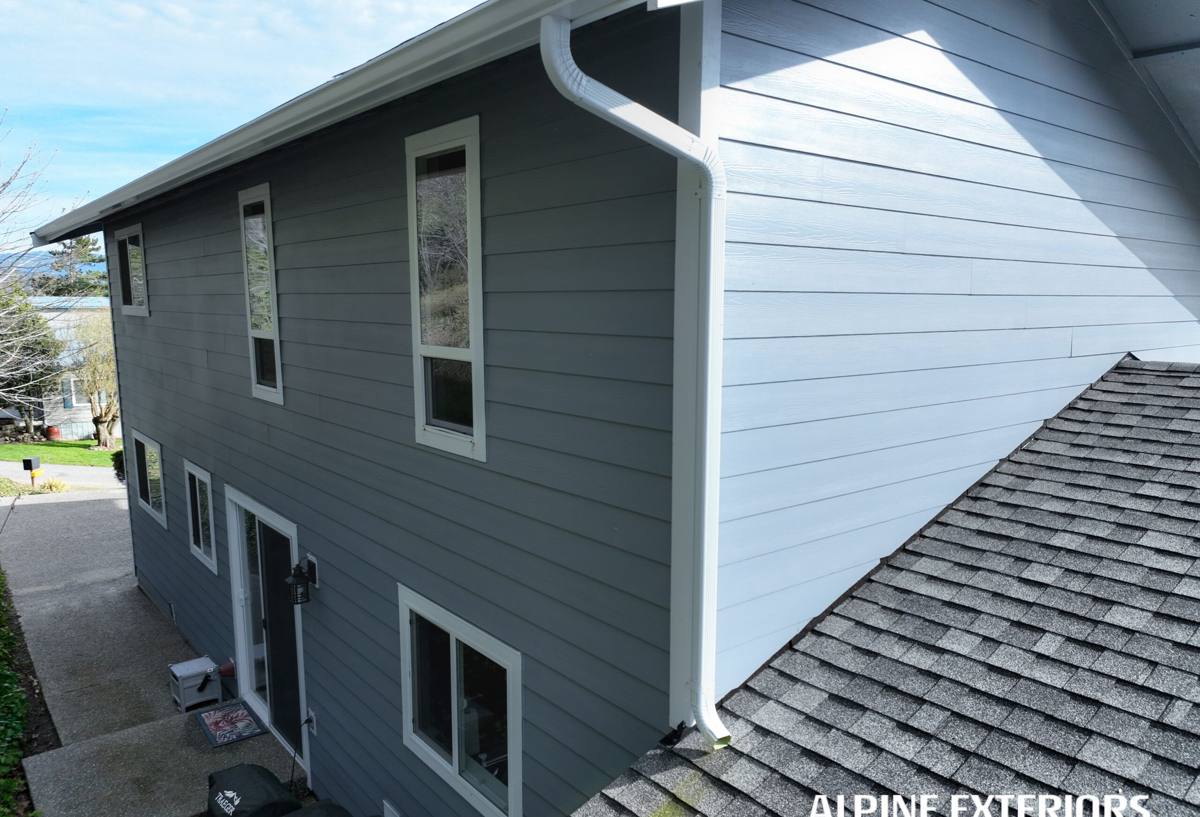
What the Local Climate Actually Does to a Roof
Salt Air and Metal Fatigue
Airborne salt accelerates corrosion on anything metal — flashing, fasteners, vent stacks, and gutter hardware. Standard electro-galvanized fasteners can start showing rust streaks well before the shingles themselves are due for replacement. Once fasteners or flashing corrode, water finds a path underneath the roofing material even if the shingles look fine from the ground.
Driving Rain and Wind-Driven Water
Rain here rarely falls straight down. Wind off the water pushes it sideways and up under roof edges, around chimneys, and into valleys. That means flashing details and underlayment overlaps that would be adequate in a calmer inland climate aren't always enough on an exposed Cherry Point roof. Wind-driven rain is also why proper starter strip and edge sealing matter more here than the manufacturer's minimum spec might suggest.
Moss and the Long Shaded, Wet Season
Whatcom County's moss season runs long — cool, damp weather for much of the year gives moss and algae plenty of time to establish, especially on north-facing slopes and roof sections shaded by trees. Moss doesn't just look bad. Its root structure lifts shingle edges and holds moisture against the roof deck, which shortens the life of the roofing material and can lead to rot in the decking underneath if it's left unaddressed.
Signs a Cherry Point Roof Needs Replacing, Not Patching
Not every roofing issue calls for a full replacement, but there's a point where repairs stop being cost-effective and start being a way of delaying the inevitable while water quietly gets into the structure. Watch for:
- Granule loss showing up in gutters or at downspout outlets, especially after wind events
- Shingles that are cupping, curling at the edges, or cracking when touched
- Moss or algae coverage that comes back within a season of cleaning, or thick moss mats on north-facing slopes
- Rust staining around flashing, vent boots, or exposed fasteners
- Soft spots in the decking felt when walking the roof, or sagging visible from the ground
- Daylight visible through the roof deck from inside an attic or crawlspace
- Repeated leaks in the same area despite prior repairs
- A roof approaching or past the manufacturer's expected service life for this climate, which is typically shorter here than in drier regions
If a roof is showing two or more of these signs, patch repairs usually end up costing more over a few years than a properly done replacement would have.
Choosing the Right Roofing System for This Location
There's no single "best" roofing material for every home — the right choice depends on the roof's exposure, slope, shading, and the homeowner's budget and maintenance appetite. Here's how the common options compare for a coastal Whatcom County home:
| Material | Salt Air / Moisture Behavior | Moss Resistance | Typical Lifespan Here |
|---|---|---|---|
| Architectural asphalt shingle | Good with corrosion-resistant fasteners and flashing | Improves with zinc/copper strips or algae-resistant granules | 20-25 years |
| Standard 3-tab shingle | Adequate but more exposed edges to wind-driven rain | Lower granule surface holds moisture longer | 15-18 years |
| Standing seam metal | Excellent when properly coated and fastened | Sheds moss naturally due to smooth, steep surface | 40-plus years |
| Composite/synthetic shake | Good; less prone to rot than wood alternatives | Moderate; benefits from ventilation and periodic cleaning | 25-40 years |
We don't install products we can't stand behind for this climate. Wood shake, for example, is beautiful but demands a level of ongoing maintenance and moisture management that most homeowners underestimate in a shaded, wet coastal setting — we'll say so plainly rather than sell a system that's going to create headaches down the road.
Cost Factors Homeowners Should Understand
Roof replacement pricing varies by roof size, pitch, number of layers being removed, decking condition, and material choice. As a rough guide, asphalt shingle replacements on a typical single-family home run from the low-to-mid five figures, with metal and premium systems running higher. The only way to get a number that means anything is a roof-specific inspection and measurement — we won't quote a real project off a phone conversation.
What a Correct Roof Replacement Actually Involves
A roof replacement done right isn't just "old shingles off, new shingles on." Given what this location's climate does to a roof, several steps matter more here than they might elsewhere:
- Full tear-off and decking inspection. We remove the existing roofing down to the deck so we can actually see and address any rot, delamination, or soft spots — problems that a re-roof over old material would simply bury.
- Deck repair or replacement as needed. Any compromised plywood or plank decking gets replaced before anything new goes down. Skipping this step is one of the most common ways cut-rate roof jobs fail early.
- Ice and water shield at vulnerable points. Eaves, valleys, and roof penetrations get a self-adhering waterproof membrane, which matters more here given how much wind-driven rain finds its way to those spots.
- Corrosion-resistant flashing and fasteners. Given the salt air near Cherry Point, we use flashing and fastener materials rated for coastal exposure rather than the minimum-cost option.
- Proper attic and roof ventilation. Balanced intake and exhaust ventilation keeps moisture from condensing under the deck, which extends the life of both the roofing material and the structure beneath it.
- Algae- and moss-resistant shingle selection or treatment strips on shaded slopes, where moss pressure is highest.
- Detailed flashing work around chimneys, skylights, and dormers — the areas most likely to leak first on a coastal roof.
Our Process, Start to Finish
We keep the process straightforward and give homeowners a clear picture before any work starts:
- On-site inspection of the current roof, decking access points, attic ventilation, and any problem areas
- A written estimate that spells out materials, scope, and cost factors — no vague allowances
- A scheduled start date, with weather flexibility built in given how unpredictable coastal rain windows can be
- Full tear-off, deck inspection and repair, and installation following manufacturer specifications plus our own coastal-exposure standards
- Daily site cleanup, including magnetic sweeps for stray fasteners
- A final walkthrough before we consider the job finished
Why Hiring a Crew That Already Works Cherry Point Matters
A roofing crew that mostly works drier, inland jobs isn't necessarily going to over-spec fastener corrosion resistance, plan around wind-driven rain at valleys, or think twice about moss pressure on a shaded north slope. Those aren't exotic problems — they're just the normal cost of doing business near the water in Whatcom County, and a crew that works this area regularly builds habits around them without being asked.
There's also a practical scheduling advantage. Coastal weather windows can close quickly, and a crew familiar with the area's rain patterns plans tear-off and dry-in accordingly, rather than leaving a roof deck exposed longer than it should be. Local familiarity also means we're not guessing at permitting requirements or inspection expectations for the area — that part of the job moves without surprises.
After Installation: Keeping a New Roof Performing
A well-installed roof still benefits from basic upkeep in this climate. Keeping gutters clear prevents water backup at the eaves, where ice and water shield does its most important work. Periodic soft-washing or moss treatment on shaded slopes keeps growth from re-establishing before it can lift shingle edges. And a quick visual check after major windstorms — looking for lifted shingles or displaced flashing — catches small issues before they become leaks. We're happy to walk any homeowner through a simple maintenance routine at the time of installation.
Get a Straight Answer About Your Roof
If your roof is showing wear, or you just want an honest read on how many years it has left given this location's climate, we'll come take a look. The estimate is free, there's no pressure attached to it, and you'll get a clear explanation of what we see and why — use the form below to get started.