 Birch Bay
 A Roof Built for Cottonwood Beach, Not Just "Coastal Washington" in General
Cottonwood Beach is a small stretch of shoreline community within reach of Birch Bay, and it takes a harder beating from the weather than homes set back a few miles inland. Roofs here sit closer to open water, catch more direct wind, and stay damp longer through the fall and winter than roofs on the other side of Whatcom County. An asphalt shingle roof that's installed correctly for this specific location will outlast one that was put on using generic techniques that work fine somewhere drier or more sheltered. This page covers what that actually means — for the materials, the installation details, and the upkeep — if you own a home in or near Cottonwood Beach.
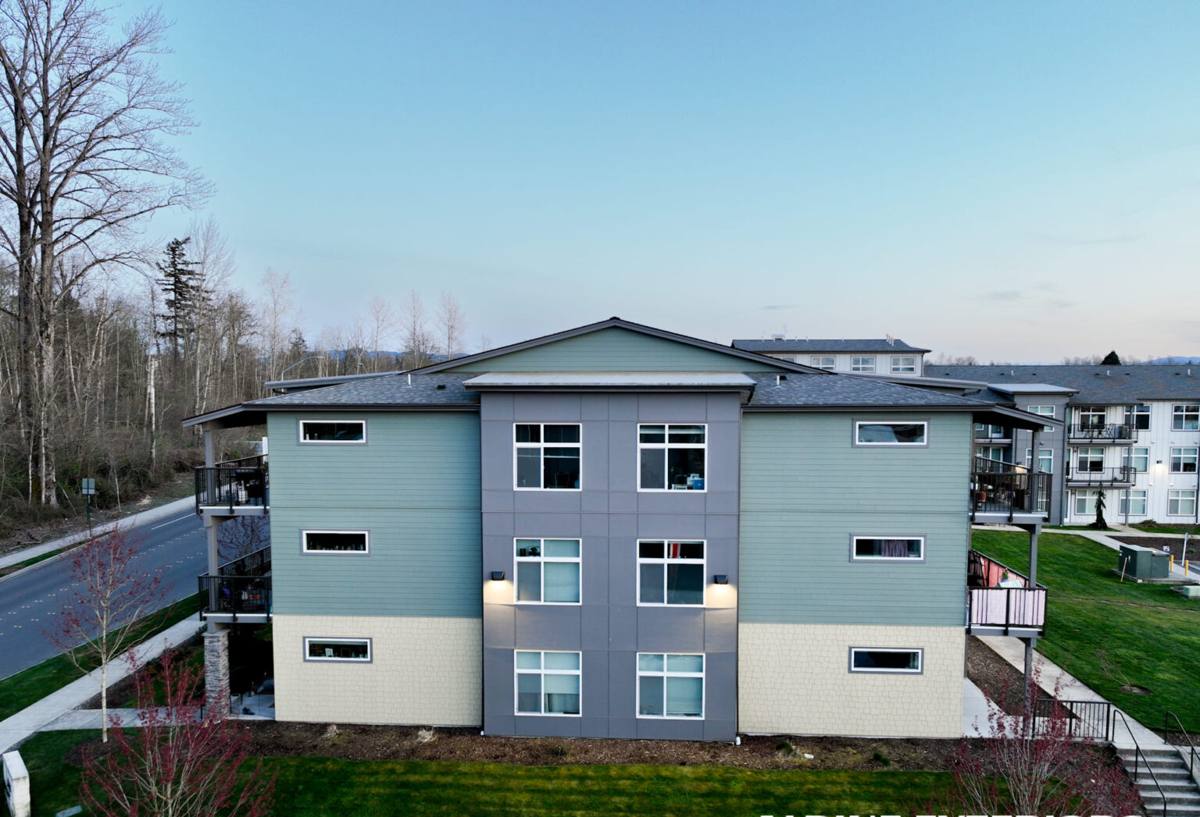
What Salt Air, Driving Rain, and a Long Moss Season Actually Do To a Roof
Every roofing material has a list of things that eventually wear it out. Near Cottonwood Beach, three factors move faster than they would elsewhere in the county, and they interact with each other.
Salt Air and Metal Fatigue
Salt-laden air corrodes exposed metal faster than it corrodes shingles themselves. Roofing nails, flashing, drip edge, and vent stacks are all metal, and cheap or under-gauge material in these components will show rust and pitting years before the shingles above them are due for replacement. Once a nail head or a flashing seam corrodes, water finds a way underneath the shingle mat even though the shingles look fine from the ground. This is why fastener and flashing quality matters more here than in a lot of other parts of the Pacific Northwest.
Wind-Driven, Not Just Vertical, Rain
Rain near open water rarely falls straight down. It comes in at an angle, driven by wind off the water, and that changes where water actually tries to get into a roof system. Standard installation practices assume mostly vertical rain and gravity drainage. Roofs exposed to consistent wind-driven rain need tighter shingle overlaps, better-sealed valleys, and underlayment that can handle water being pushed sideways and even slightly upward under shingle tabs during a hard blow.
A Moss Season That Runs Longer Than Most People Expect
Shaded, damp roof surfaces in Whatcom County can grow moss nearly year-round, but properties near Cottonwood Beach often have the added combination of tree cover, persistent humidity, and slower drying time after storms. Moss isn't just cosmetic. Its root structure lifts shingle edges, holds moisture against the roof deck, and accelerates granule loss — the exact material that protects the shingle's asphalt layer from UV and weather damage.
What a Correct Asphalt Shingle Roof Includes in This Location
A shingle roof is a system, not just a layer of shingles nailed to a deck. For homes near Cottonwood Beach, every layer of that system needs to be chosen and installed with the local exposure in mind.
- Roof deck condition — any soft, delaminated, or water-stained sheathing gets identified and replaced before new material goes down, not covered over.
- Ice-and-water shield at eaves and valleys — a self-adhering waterproof membrane in the areas most likely to see water backup or wind-driven intrusion.
- Synthetic underlayment across the full roof, which holds up better than old-style felt when it gets wet during a multi-day install or before flashing is complete.
- Corrosion-resistant flashing at every roof-to-wall transition, chimney, skylight, and valley — this is where salt-air corrosion does the most damage if the wrong grade of metal is used.
- Balanced attic ventilation so the underside of the deck can dry out between storms instead of staying damp, which both extends shingle life and reduces moss-friendly conditions.
- Corrosion-resistant fasteners, driven at the correct pattern and depth — overdriven or underdriven nails are one of the most common causes of early shingle failure, and it's a workmanship issue, not a materials issue.
- Starter strip and ridge cap installed to spec, since these are the two areas most exposed to wind uplift on a coastal roof.
Skipping or shortcutting any one of these doesn't show up as a problem on day one. It shows up two, five, or ten years later as a leak that traces back to an installation shortcut rather than a bad shingle.
Choosing the Right Shingle for a Cottonwood Beach Home
Not every asphalt shingle product is a good fit for a coastal, moss-prone climate. The table below covers the main tiers homeowners in this area typically choose between.
| Shingle Type | Typical Lifespan | Wind Rating | Best Fit / Trade-offs |
|---|---|---|---|
| 3-Tab Asphalt | 15-20 years | Lower | Lowest upfront cost; thinner profile means faster granule loss and less wind resistance in exposed, near-water locations. |
| Architectural / Laminate | 25-30 years | Moderate to high | The standard choice for most Cottonwood Beach homes — thicker mat, better sealing, holds up well to wind-driven rain. |
| Algae-Resistant (AR) Shingles | 25-30 years | Moderate to high | Same base as architectural shingles with copper-infused granules that slow algae and moss growth — worth the small upcharge in a long moss season. |
| Impact-Rated / High-Wind Shingles | 30+ years | Highest | Heaviest mat and strongest fastening spec; best for fully exposed roof sections that take the brunt of storms off the water. |
For most homes near Cottonwood Beach, a laminate or architectural shingle with algae-resistant granules is the practical middle ground — meaningfully better wind and moisture performance than 3-tab, without paying for impact-rated specs on sections of roof that aren't fully exposed.
Our Installation Process
The process itself isn't unusual — it's the attention paid to the details above that changes the outcome. On a typical Cottonwood Beach re-roof, that looks like:
- On-site inspection of the existing roof, attic ventilation, and any visible moss, staining, or soft spots before giving a scope of work.
- Full tear-off of old roofing material rather than layering over it, so the deck can actually be inspected and repaired where needed.
- Deck repair or replacement of any damaged sheathing, documented and discussed before covering it up.
- Installation of ice-and-water membrane at eaves, valleys, and any low-slope transitions.
- Synthetic underlayment across the full roof surface.
- New corrosion-resistant flashing at all penetrations, walls, and valleys.
- Shingle installation to manufacturer spec for fastening pattern, exposure, and starter/ridge detail.
- Ventilation check and correction if the attic isn't breathing properly.
- Full site cleanup, including a magnetic sweep for stray fasteners.
Every step gets documented, and homeowners get a straightforward explanation of what was found and what was done — not just an invoice.
Maintenance That Actually Matters Near the Water
A well-installed roof still needs upkeep in this climate. The following is a realistic maintenance checklist for a shingle roof in the Cottonwood Beach area:
- Clear gutters and downspouts at least twice a year — clogged gutters back water up under the shingle edge, which is exactly where wind-driven rain is already trying to get in.
- Have moss growth treated before it spreads, rather than waiting until it's visible from the street.
- Trim back tree limbs that keep sections of the roof shaded and slow to dry.
- After any major windstorm, do a visual check (from the ground, with binoculars, or have it looked at) for lifted or missing shingles.
- Have flashing and sealant points checked every couple of years — these fail well before the shingle field does in a salt-air environment.
- Don't pressure-wash a shingle roof; it strips protective granules and shortens the roof's life.
Signs a Cottonwood Beach Roof Needs Attention
Because problems here often start at flashing and fasteners rather than the shingles themselves, it's worth knowing what to watch for:
- Granules collecting in gutters or at the base of downspouts.
- Shingle edges curling or lifting, especially on wind-exposed slopes.
- Dark streaking or moss patches, particularly on shaded or north-facing sections.
- Rust staining near flashing, vent stacks, or chimney bases.
- Any water staining on interior ceilings near exterior walls or valleys after a heavy storm.
None of these mean the whole roof needs to be replaced immediately, but each one is worth having looked at before the next storm season rather than after.
Why It Matters That a Crew Already Works This Area
Asphalt shingle installation isn't fundamentally different from one Whatcom County neighborhood to the next, but the exposure conditions are. A crew that regularly works roofs near Cottonwood Beach and the rest of Birch Bay already knows which slopes tend to catch the worst of the wind-driven rain, which yards hold enough shade to grow moss fast, and which flashing details fail first in salt air — because they've replaced or repaired those exact failures before. That's the difference between a roof that's technically up to code and one that's actually built for where it sits.
If you're planning a new roof, a repair, or just want an honest read on how much life is left in the one you have, we're glad to come take a look. Fill out the form below for a free, no-pressure estimate.