 Birch Bay
 Building Decks for Cottonwood Beach's Waterfront Conditions
Cottonwood Beach sits close enough to the water that every deck built here is really being built for two things at once: the way a family actually wants to use it, and the marine environment that will try to wear it down. Whatcom County's coastline brings salt-laden air, wind-driven rain that hits decks sideways instead of straight down, and a long stretch of gray, damp months where moss and algae get a real foothold. A deck that would hold up fine forty miles inland can start showing problems here within a few seasons if it wasn't built with this specific exposure in mind.
This page is about custom deck building specifically for Cottonwood Beach homes — what the climate actually does to decks in this neighborhood, what a properly built deck looks like in response, and what our process involves from first look to final walkthrough.
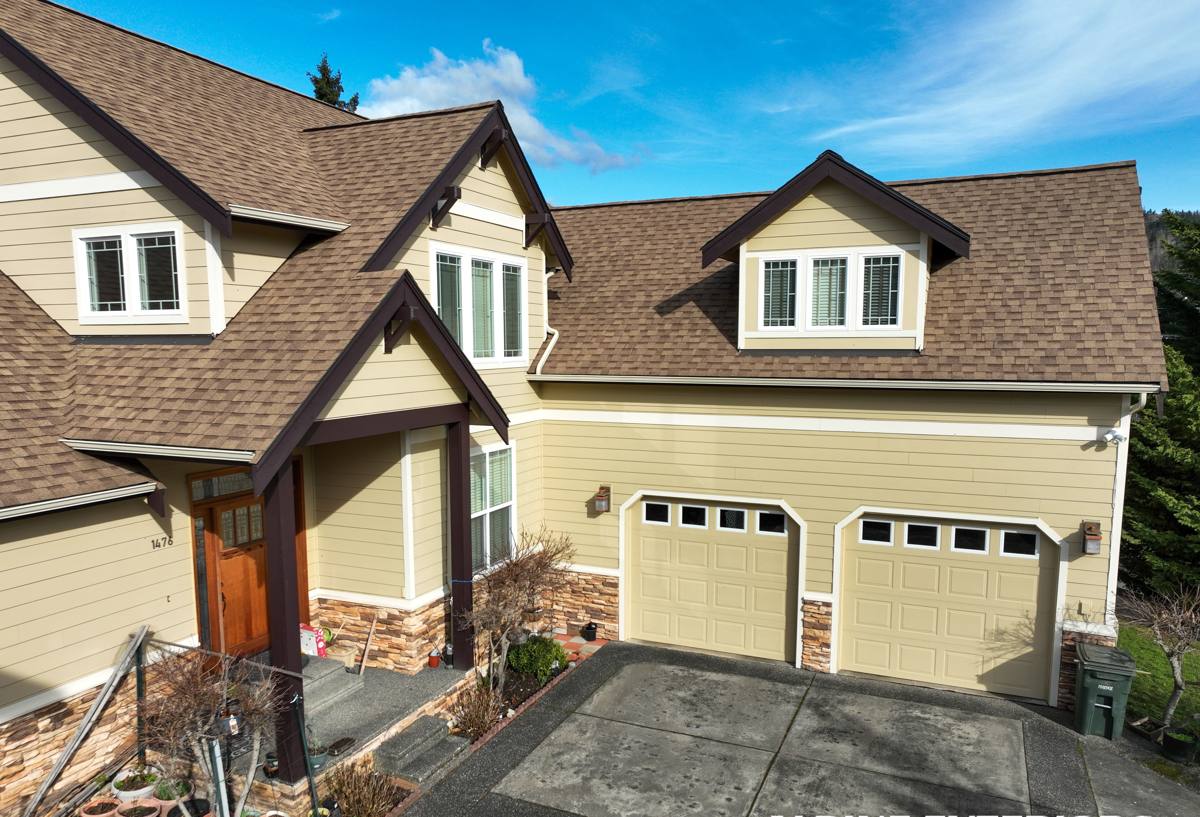
What Salt Air, Rain, and Moss Actually Do to a Deck
Salt air and corrosion
Airborne salt doesn't just affect boats and railings you can see rust on. It settles into any exposed metal — fasteners, joist hangers, post bases, bolts — and accelerates corrosion, especially in the tight, damp spaces underneath a deck where salt residue doesn't get rinsed off by rain the way it does on top. Standard construction-grade hardware that's fine in a drier inland town can start pitting and staining within a few years this close to the water.
Driving rain and water intrusion
Wind off the water pushes rain sideways, which means water gets driven into joints, fastener heads, and ledger connections that a straight-down rain would never reach. Over time, that moisture works its way into end grain, screw holes, and any gap where two boards meet, which is where rot and structural decay actually start — not on the open face of a board, but in the hidden connections.
Moss, algae, and the long wet season
Whatcom County's marine climate means long stretches of overcast, damp weather where surfaces rarely fully dry out. That's ideal for moss and algae growth, particularly on the shaded side of a deck, under railings, and anywhere debris collects and holds moisture against the decking surface. Beyond looking bad, a moss-covered deck board stays wet longer, which speeds up decay in wood products and can make the surface slick and unsafe underfoot.
Choosing the Right Decking Material for This Location
There's no single "best" decking material — there's a best fit for a given budget, look, and how much upkeep a homeowner actually wants to do. For a Cottonwood Beach property, we weigh moisture behavior and maintenance burden more heavily than we might for an inland lot.
| Material | Moisture & Salt Air Behavior | Maintenance | Typical Lifespan |
|---|---|---|---|
| Pressure-treated lumber | Resists rot with proper sealing; end cuts and fastener holes need re-treatment | Annual cleaning and re-staining/sealing | 15-20 years with upkeep |
| Western red cedar | Naturally rot-resistant, ages well in marine air, but greys and needs sealing to hold color | Regular cleaning; sealing every 1-2 years | 20-25 years with care |
| Composite decking | Does not absorb moisture or rot; some boards can still grow surface moss if not cleaned | Periodic washing; no staining or sealing | 25-30+ years, manufacturer-dependent |
| Tropical hardwoods (e.g., ipe) | Very dense and naturally decay-resistant, excellent in wet climates | Occasional oiling if color retention matters | 30+ years |
We install all of the above, and we're honest about the trade-offs of each rather than pushing whichever product carries the best markup. Composite is popular near the water because it removes the sealing/staining cycle entirely, but it isn't automatically "no maintenance" — it still needs to be washed off periodically or moss and pollen film will build up on the surface, same as any material. Wood species like cedar and hardwoods reward homeowners who don't mind a maintenance rhythm with a look that composite doesn't fully replicate.
What's Underneath Matters More Than What's on Top
Framing and structural connections
A deck's surface boards get all the attention, but the framing underneath is what actually determines how long it lasts in this environment. Ledger board attachment, joist hangers, post bases, and beam connections are where water collects and where corrosion does its damage first. We use hot-dip galvanized or stainless steel hardware rated for coastal and treated-lumber contact — not the lighter-duty coated hardware that's adequate in drier parts of the state but undersized for salt air exposure.
Ledger flashing and waterproofing
Where a deck attaches to the house, the ledger board and its flashing are the single most common failure point on any deck, anywhere — but the consequences show up faster in a wet, salty climate. Proper flashing keeps wind-driven rain from working its way behind the ledger and into the house's rim joist. We flash every ledger connection correctly regardless of decking material, because that detail protects the structure of the house itself, not just the deck.
Post footings and ground contact
Depending on soil conditions and grade near the water, footing depth and drainage around posts need to account for how saturated the ground gets during the wet season. We size and place footings based on what's actually under the deck, not a one-size template.
Design Choices That Fight Moss and Standing Water
A deck's design can either help it shed water and dry out, or work against it. A few decisions we walk through with homeowners:
- Board spacing and gapping sized to let water drain through rather than pool on the surface
- Grooved-edge composite boards paired with hidden fastener systems that avoid surface screw holes where moisture and grime collect
- Deck orientation and any structures above (roof overhangs, nearby trees) that affect how much sun reaches the surface and how quickly it dries
- Under-deck drainage systems for spaces used for storage or living area below, so runoff doesn't just soak the ground under the joists
- Railing and baluster styles that don't create flat, debris-catching ledges where moss gets started
None of these add significant cost to a project, but they make a real difference in how much moss and algae maintenance a homeowner ends up doing every year.
Our Process, Start to Finish
Site visit and design
We start with an on-site look at the lot — grade, drainage, sun exposure, proximity to water, and how the space will actually be used — before recommending a material or layout. A deck for entertaining looks different from a deck built mainly for a hot tub or a quiet morning-coffee spot.
Permitting
Most deck projects in Whatcom County require a permit, and requirements can shift depending on height, size, and proximity to water or shoreline setback lines. We handle the permit process as part of the job so homeowners aren't stuck figuring out county requirements on their own.
Construction
Framing goes in first with corrosion-resistant hardware and correctly flashed ledger connections, followed by decking, railings, and any stairs or lighting. We build to the structural requirements of the current code, not just to what will pass a quick inspection.
Final walkthrough
We walk the finished deck with the homeowner, cover basic care for whatever material was installed, and make sure everything from railing height to stair spacing meets code before calling the job done.
Ongoing Care for a Deck in This Climate
Every deck, regardless of material, benefits from some seasonal attention in a climate like this one. A simple yearly routine goes a long way:
- Sweep off debris regularly so leaves and needles don't trap moisture against the surface
- Wash the deck surface at least once or twice a year to remove pollen film, salt residue, and early moss growth
- Check railings and stair connections for loose hardware or early rust staining
- Re-seal or re-stain wood decking on the schedule appropriate to the species and exposure
- Keep gutters and downspouts clear so runoff from the roof isn't dumping extra water onto or near the deck
Why Local Experience in Cottonwood Beach Matters
Any contractor can build a deck. Building one that holds up specifically to Birch Bay's salt air, driving rain, and moss season takes knowing what actually fails here versus what fails in a drier inland town. We've built and repaired decks throughout Whatcom County's coastal communities, so our material recommendations, hardware choices, and drainage details are based on what we've actually seen hold up — and what we've seen fail — in this exact environment, not a generic build spec.
If you're planning a new deck or replacing one that's showing its age, we're happy to come take a look and put together a straightforward, no-pressure estimate. There's a form below — reach out and we'll go from there.