 Birch Bay
 Windows in Cottonwood Beach Take a Different Kind of Beating
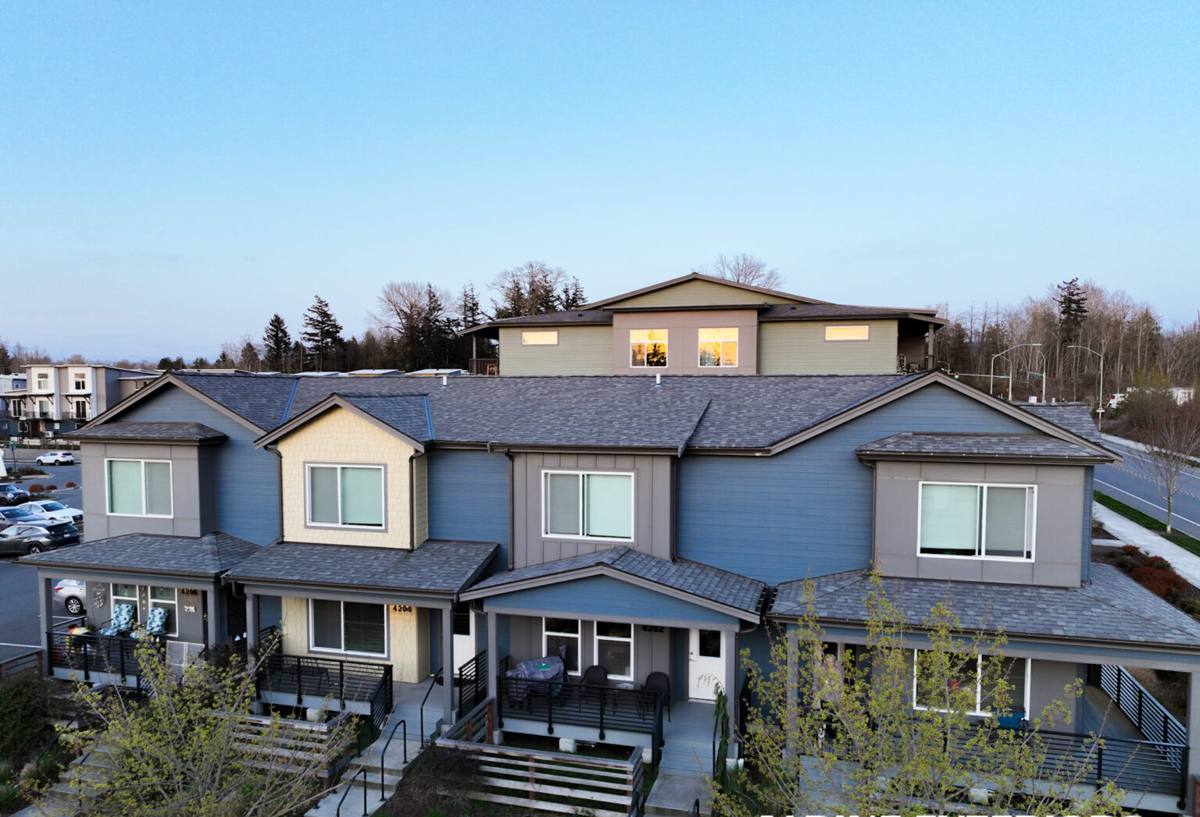
Cottonwood Beach sits close enough to the water that its homes deal with a combination most inland Whatcom County neighborhoods don't have to think about: salt-laden air, wind-driven rain coming off the Strait, and a long, damp moss season that keeps exterior surfaces wet for weeks at a stretch. None of that is dramatic on its own. But stacked together, year after year, it's exactly the kind of exposure that finds every weak point in a window installation — the sealant that was applied a little thin, the flashing that was lapped the wrong direction, the fastener that wasn't rated for the environment.
A window that's a great fit for a dry inland lot can underperform here, not because the window itself is bad, but because it wasn't installed with this specific exposure in mind. This page covers what actually matters when replacing or installing windows in Cottonwood Beach — the failure points we see most often, what a correct installation looks like, and how we approach the job differently because we already know this stretch of coastline.
What Salt Air and Coastal Exposure Actually Do to Windows
Hardware and Fasteners
Salt in the air is corrosive, and it doesn't need direct ocean spray to do damage — it travels on wind and settles as a fine film on any exposed surface. Standard steel screws, uncoated hinges, and basic mill-finish aluminum components can start showing corrosion years before they would inland. Once hardware corrodes, locks bind, cranks seize, and the window stops sealing tightly even if the glass and frame are otherwise fine.
Seals and Sealants
Wind-driven rain doesn't just fall on a window, it gets pushed sideways and upward into every gap and seam. That's a much harder condition to seal against than ordinary rainfall, and it means the perimeter sealant, flashing, and weatherstripping around a Cottonwood Beach window have to work harder than they would on a more sheltered inland lot. A sealant bead that's slightly thin or a flashing lap installed backward may not leak in a light rain — it will leak in a January storm coming off the water.
Moss, Mildew, and Prolonged Moisture
Whatcom County's moss season isn't just a roof problem. Sills, tracks, and any horizontal wood trim around a window stay damp for extended stretches during the fall and winter, which is exactly the environment moss, algae, and mildew need to take hold. On wood-framed or wood-trimmed windows, that sustained moisture is also what starts rot — usually at the bottom corners of the sill first, since that's where water collects and drains slowest.
Signs a Cottonwood Beach Home's Windows Need Attention
Because coastal wear happens gradually, a lot of homeowners don't notice a problem until it's affecting comfort or the interior finish. Worth checking for:
- Cranks, locks, or hinges that feel stiff, gritty, or corroded
- Visible green or black growth building up in the sill track or lower corners
- Soft or discolored wood trim around the window, especially at the bottom corners
- A draft you can feel with a hand near the frame on a windy day
- Condensation forming between the panes (a sign the seal has failed on a double- or triple-pane unit)
- Fogging or a hazy film on the glass that doesn't wipe off from the inside
- Paint or finish peeling on the interior trim near the window, which usually means moisture is getting in behind it
What a Correct Window Installation Involves
Flashing and Weatherproofing Come First
The window itself is often the easy part. What determines whether it stays watertight for the next 15-20 years is the flashing and weatherproofing detail around the rough opening — sill pan flashing to catch and direct out any water that gets past the window, properly lapped side and head flashing, and a compatible weather-resistant barrier tie-in so water is always directed outward and down, never trapped behind the siding. Skipping or rushing this step is the single biggest cause of hidden rot behind a window that looks fine from the outside.
Sealant and Fastener Choice
In a marine-influenced setting like Cottonwood Beach, we use corrosion-resistant fasteners and a sealant rated for the movement and moisture exposure the window will actually see, not just whatever is fastest to apply. The same goes for hardware — stainless or coated components hold up considerably longer than standard-grade hardware once salt air is in the picture.
Air and Water Testing the Fit
A window that's the right product but installed slightly out of square, or shimmed unevenly, will leak air and eventually water regardless of how good the unit is. Correct installation means checking the opening is square and plumb, shimming evenly, and confirming the window operates smoothly before the trim ever goes back on.
Choosing Window Materials for a Coastal Climate
There's no single "right" window material for every home — it depends on your home's style, budget, and how much upkeep you want to take on. But some materials handle salt air and constant moisture better than others.
| Frame Material | How It Handles Salt Air & Moisture | Maintenance |
|---|---|---|
| Vinyl | Doesn't corrode or rot; performs well in coastal exposure | Low — occasional cleaning |
| Fiberglass | Very stable, resists moisture and won't corrode; handles temperature swings well | Low |
| Aluminum | Can corrode over time near salt air unless properly coated/finished | Moderate — finish needs monitoring |
| Wood (uncladded) | Attractive but vulnerable to rot and moisture damage in this environment | High — regular sealing/painting required |
| Wood with vinyl or aluminum cladding | Wood interior warmth with a protective exterior shell; good middle ground | Low to moderate |
We'll walk through the honest trade-offs for your specific home rather than pushing one product line — the right call often comes down to how exposed a given elevation of your house is, since a window on the water-facing side deals with more than one tucked under an eave on the leeward side.
How We Approach a Window Installation Project
- On-site assessment — we look at each window opening individually, since exposure and condition can vary a lot from one side of the house to another
- Product selection — matching frame material, glass package, and hardware to what that specific opening actually needs
- Removal and opening prep — checking the framing and sheathing underneath for hidden moisture damage before anything new goes in
- Flashing and weatherproofing — sill pan, side, and head flashing installed and lapped correctly, tied into the existing weather-resistant barrier
- Window installation and shimming — set square, plumb, and level, with corrosion-resistant fasteners
- Sealing and trim — exterior sealant rated for the exposure, interior trim reinstalled or replaced as needed
- Final operation check — confirming smooth operation, a tight seal, and no visible gaps before we call it done
What Affects the Cost of a Window Installation
| Factor | Why It Matters |
|---|---|
| Frame material | Vinyl is typically the most budget-friendly; fiberglass and clad-wood cost more but often last longer in this climate |
| Number of windows | Doing multiple openings in one visit generally lowers the per-window cost versus one-off jobs |
| Condition of the existing opening | Hidden rot or water damage found during removal adds repair work before the new window can go in |
| Glass package | Upgraded Low-E coatings or gas fills add cost but improve comfort and energy performance |
| Access and exposure | Upper-story or hard-to-reach windows on exposed elevations can take more time to do correctly |
We'll always give you a straightforward, itemized estimate before work starts — no inflated numbers, no pressure to upgrade beyond what your home actually needs.
Why It Matters That We Already Work in Cottonwood Beach
A crew that mostly installs windows on dry, inland lots doesn't necessarily think about sill pan flashing, corrosion-resistant hardware, or wind-driven rain the same way a crew that works this coastline every season does. We've seen how quickly a rushed flashing detail or the wrong fastener turns into a callback here, and we build our process around avoiding that from the start rather than fixing it two winters later. That familiarity with Birch Bay and the surrounding Whatcom County coastline is part of what you're hiring when you bring in a local crew instead of a company that only passes through occasionally.
If your windows in Cottonwood Beach are drafty, foggy between the panes, stiff to operate, or just due for an honest look, we're happy to come take a look. Use the form below for a free, no-pressure estimate — we'll tell you straight what your windows actually need, not just what's easiest to sell.