 Birch Bay
 Windows Built for Cottonwood Beach's Marine Climate
Cottonwood Beach sits close enough to the water that its homes take a different kind of beating than houses even a few miles inland. Salt-laden air moves through window frames and hardware year-round, wind-driven rain finds every gap in aging seals during winter storms, and the mild, damp stretch that runs from fall through spring keeps moss and algae established on north-facing walls and sills longer than in drier parts of Whatcom County. Windows here don't fail because of one bad storm. They fail slowly, from years of moisture cycling through wood that was never properly protected, hardware that corrodes from salt exposure, and seals that were installed without accounting for how much weather this stretch of shoreline actually sees.
We work in Birch Bay and the surrounding beach communities regularly, and Cottonwood Beach homes show a consistent pattern: original single-pane or early dual-pane windows from decades past, softened wood trim around the frames, and condensation between panes that signals a failed seal. Replacing those windows correctly means choosing materials and installation methods that match this specific exposure, not just swapping in whatever's cheapest or most common on the showroom floor.
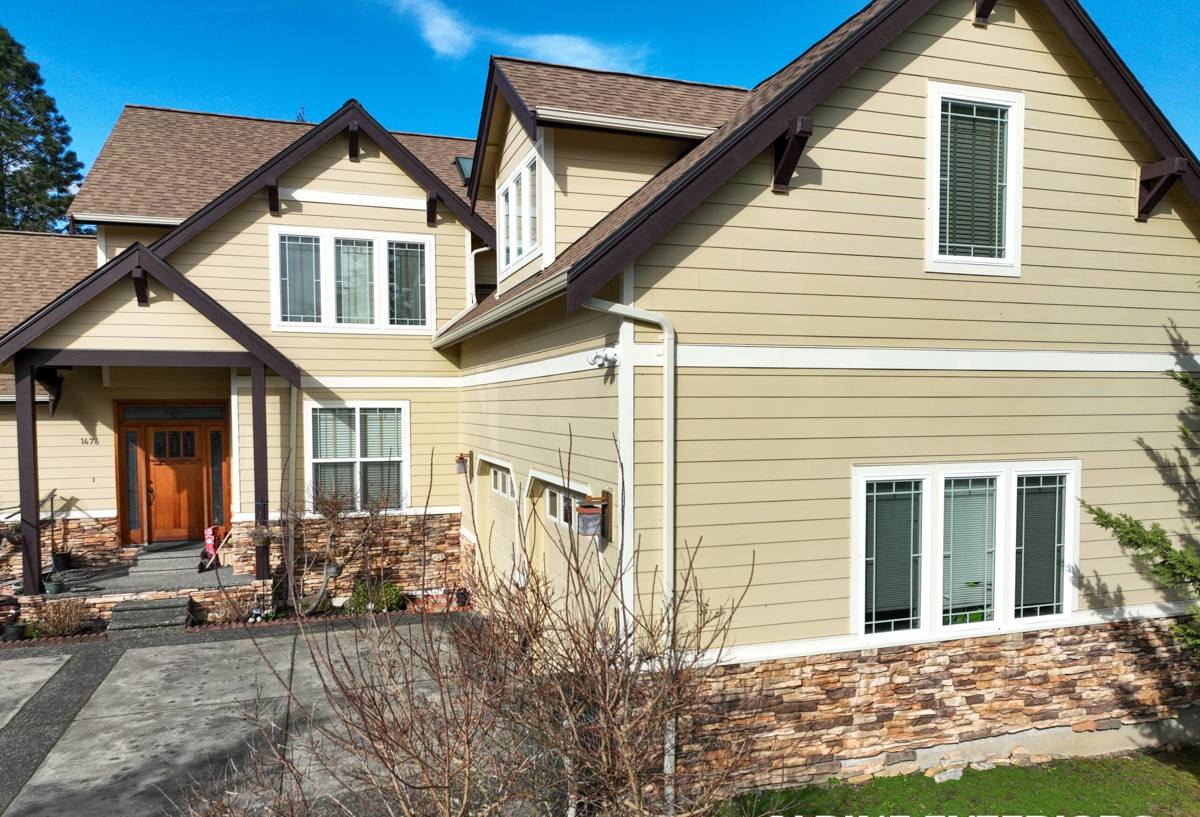
What Actually Wears Out Windows in This Neighborhood
Salt Air and Hardware Corrosion
Salt in the air settles on metal components — hinges, locks, balance mechanisms, and older aluminum frames — and accelerates corrosion compared to inland homes. Once hardware seizes or pits, windows stop sealing tightly even if the glass itself looks fine. This is one of the most common reasons a window that "looks okay" is actually letting in drafts and moisture.
Driving Rain and Wind Pressure
Storms coming off the water don't just bring rain straight down — wind pushes it sideways and up under poorly flashed sills. Homes at Cottonwood Beach with west or northwest-facing exposure take the brunt of this. Over time, water intrusion at the sill and jamb rots wood framing behind the window, which is often invisible until trim starts to feel soft or paint starts bubbling.
Moss, Algae, and Extended Dampness
Whatcom County's long moss season means shaded or north-facing walls stay damp for extended stretches. Moss and algae growth around window perimeters holds moisture against wood trim and caulking, breaking down seals faster than in sunnier, drier locations. A window that would last 20+ years in a dry climate can show serious wear in half that time under these conditions if it wasn't installed with the right materials and flashing details.
Signs a Cottonwood Beach Home Needs Window Replacement
- Fogging or visible moisture between panes of double-glazed windows — the seal has failed and can't be repaired
- Wood trim or sills that feel soft, spongy, or show paint bubbling near the frame
- Windows that are difficult to open, close, or lock due to corroded or swollen hardware
- Noticeable drafts or cold spots near windows even when they're fully closed
- Visible gaps between the frame and siding, or caulking that's cracked and pulling away
- Persistent moss or algae staining on window trim that keeps returning after cleaning
- Higher heating bills without another clear explanation
What a Correct Window Replacement Job Involves
Replacing a window is not just popping out the old unit and setting in a new one. In a coastal exposure like Cottonwood Beach, the details around the window matter as much as the window itself.
Assessing the Opening, Not Just the Glass
Before any new window goes in, we check the condition of the framing, sill, and sheathing behind the old unit. If water has been getting behind the trim, that wood needs to be addressed before a new window is installed — otherwise you're sealing moisture damage behind a nice new frame instead of fixing it.
Flashing and Water Management
Proper flashing directs any water that does reach the window back out and away from the wall assembly, rather than letting it collect and soak into framing. This is especially important on walls exposed to wind-driven rain, where water pressure can push moisture into gaps that would stay dry on a calmer, more sheltered elevation.
Material Selection for Salt Air Exposure
We favor frame materials and hardware finishes that hold up to salt air without pitting, corroding, or requiring constant upkeep. This is a judgment call based on years of trade-offs — some finishes look good initially but show corrosion within a few seasons in this environment, which means more maintenance and an earlier repeat replacement than the homeowner expected.
Sealing and Insulation
Correct installation includes proper insulation around the frame perimeter and weatherproof sealant rated for exterior exposure — not just caulk from whatever tube was on hand. Gaps here are a leading cause of drafts and the slow moisture intrusion that rots framing over time.
Comparing Window Options for a Beach Exposure
| Factor | What to Look For | Why It Matters at Cottonwood Beach |
|---|---|---|
| Frame material | Corrosion-resistant, low-maintenance options | Salt air accelerates corrosion on lower-grade hardware and finishes |
| Glazing | Dual-pane with a quality low-E coating | Reduces condensation and improves comfort during damp, cool stretches |
| Weatherstripping | Durable, properly compressed seals | Resists the wind-driven rain common on exposed elevations |
| Hardware finish | Coatings rated for coastal/marine exposure | Standard finishes can pit or seize within a few years near salt water |
| Installation flashing | Proper sill pan and flashing integration | Prevents water intrusion behind the frame during storms |
None of this means every home needs the most expensive option available. It means matching the window and installation details to the actual exposure of that wall — a sheltered, east-facing window doesn't need the same spec as one facing open water and prevailing storms.
Our Process for Cottonwood Beach Window Replacement
- On-site assessment: We look at each window individually — sun exposure, wind exposure, and condition of the surrounding wood and siding — rather than treating all windows on the house the same.
- Honest recommendation: We tell you which windows genuinely need replacement now, which are showing early wear but can wait, and which are still sound. We're not going to sell you a whole-house job if part of it isn't necessary.
- Clear scope and pricing: You'll know what's being replaced, what materials are being used, and why, before work starts.
- Removal and inspection: Old windows come out carefully so we can check the condition of the framing and sheathing behind them before anything new goes in.
- Correct installation: Flashing, insulation, and sealing are done to hold up against this specific coastal exposure, not a generic inland installation.
- Final check: We confirm operation, seals, and finish work before we consider the job done.
Why Local Experience at Birch Bay Matters
A contractor who mostly works inland, in drier parts of Whatcom County, doesn't see the same failure patterns we see routinely at Birch Bay and Cottonwood Beach. They may spec materials that perform fine 20 miles inland but corrode or fail early on a beachfront exposure. Working this stretch of coastline regularly means we've already seen what holds up and what doesn't — which hardware finishes last, which flashing details actually stop wind-driven rain, and which shortcuts show up as callbacks two or three years down the road.
It also means we're not guessing about your specific street's exposure. Cottonwood Beach homes facing the water deal with different wind and salt loads than homes set back a block or two, and that difference should show up in how the job is scoped and priced — not treated as one-size-fits-all.
Maintaining New Windows in a Salt Air, High-Moss Environment
- Rinse salt residue off frames and glass periodically, especially after storms with onshore wind
- Keep gutters and downspouts clear so water isn't running down over window trim
- Trim back vegetation and clean gutters that shade north-facing windows, since shade keeps moss and algae established longer
- Check caulking and weatherstripping annually for cracking or gaps, particularly after winter storm season
- Operate hardware periodically even on windows you don't open often, to keep mechanisms from seizing
Good maintenance extends the life of any window, but it can't make up for a poor installation. The goal of doing the job right the first time is that maintenance becomes routine upkeep, not damage control.
Get a Straightforward Estimate
If you're dealing with foggy panes, drafty rooms, or windows that just don't feel right anymore in your Cottonwood Beach home, we're happy to take a look and give you a clear, no-pressure assessment of what's actually needed. Use the form below to request a free estimate.