 Birch Bay
 Building a Deck That Belongs on Lummi Island
Lummi Island sits out in the water, and that changes what a deck has to deal with compared to a build a few miles inland. Salt-laden air moves off the Salish Sea and settles on everything, driving rain comes in sideways off the water more days than not, and the shade and dampness that follow a Whatcom County winter turn into a long moss season on any surface that doesn't shed water fast. A deck built to a generic spec sheet will show it within a couple of years — soft spots, blackened wood, rusting hardware, boards that cup or crown. A deck built for this specific island, with this specific exposure, holds up the way it should.
This page covers what we actually do differently when we build a custom deck for a Lummi Island home: the materials we lean on, the structural details that matter most in a marine climate, and how our process accounts for building on an island rather than assuming easy same-day access to lumber yards and suppliers.
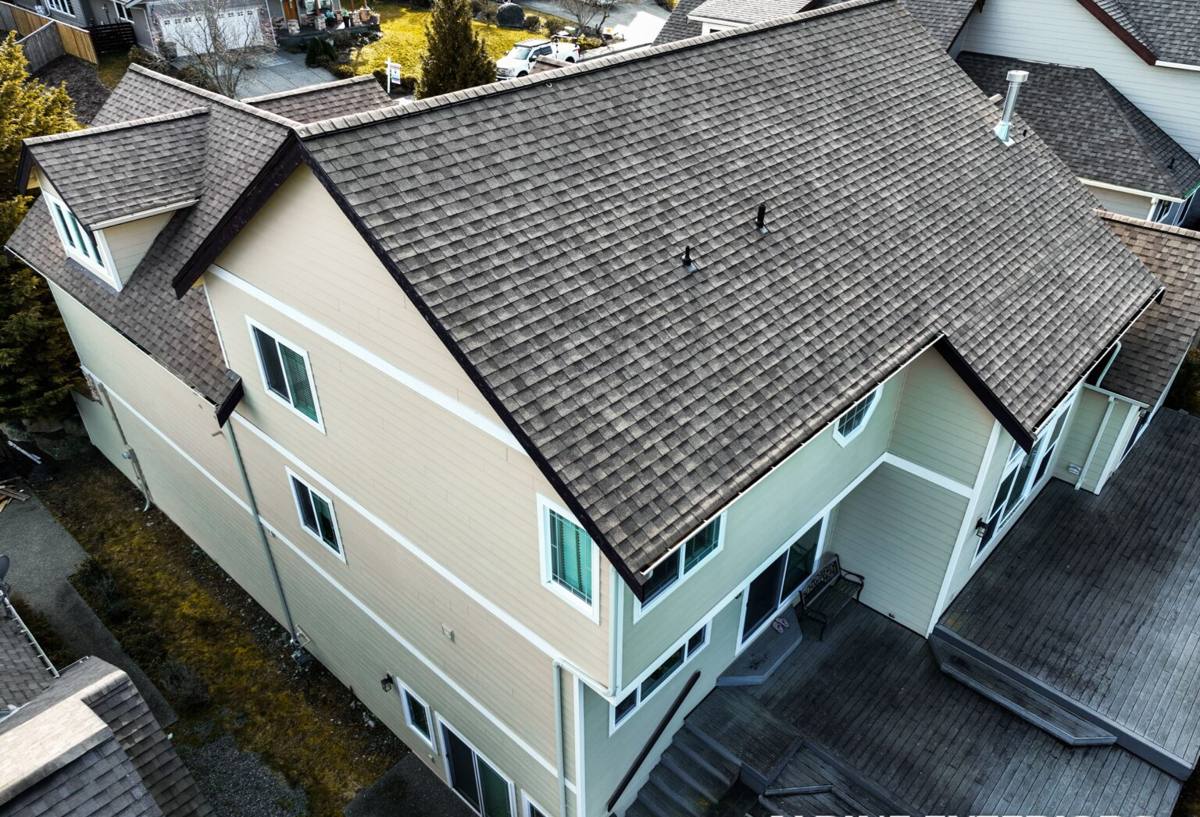
What Salt Air and a Long Moss Season Actually Do to a Deck
It helps to understand the failure pattern before talking about the fix. Salt air is corrosive to metal, full stop — fasteners, brackets, and connectors that aren't rated for coastal exposure will start rusting from the inside out long before the surface shows it. Once a fastener weakens, the framing member it's holding is compromised even if the wood itself still looks fine.
Moisture is the second half of the problem. Whatcom County gets a long stretch of wet, low-sun months, and on Lummi Island that moisture arrives with wind-driven rain that finds its way into joints, end grain, and anywhere two deck boards sit too close together. Where water sits and doesn't dry, moss and algae take hold — and moss doesn't just look bad, it holds moisture against the wood surface and accelerates rot underneath it. A deck that's shaded by trees or sits low to the ground is especially exposed to this cycle.
None of this means a deck can't hold up here. It means the build has to account for both problems — corrosion and sustained moisture — from the framing up, not just at the surface.
The Most Common Failure Points We See
- Standard (non-coated) fasteners and joist hangers corroding within a few years near the water
- Ledger boards attached to the house without proper flashing, letting water track into the rim joist
- Decking installed tight with no drainage gap, trapping moisture and growing moss between boards
- Footings set too shallow or without proper drainage, leading to movement in saturated soil
- Railings and stair stringers using untreated or under-rated wood in constant wet-dry cycling
Choosing the Right Decking Material for a Lummi Island Home
There's no single "best" decking material — there's the right material for how exposed your specific deck is, how much upkeep you want to do, and your budget. We'll walk through the honest trade-offs rather than push one product.
| Material | How It Handles Salt Air & Rain | Maintenance | Typical Lifespan |
|---|---|---|---|
| Pressure-treated fir/hem-fir | Resists rot when properly sealed; needs re-coating to keep water out | Annual cleaning, re-stain/seal every 2-3 years | 15-20 years with upkeep |
| Cedar | Naturally moisture- and insect-resistant; still needs sealing near saltwater | Cleaning plus periodic oil or sealant | 15-25 years with upkeep |
| Composite decking | Doesn't absorb water or rot; some boards can trap surface moss if not cleaned | Occasional wash, no staining or sealing | 25-30+ years |
| PVC/capped composite | Fully sealed surface, best resistance to moisture and staining | Occasional wash | 25-30+ years |
For homes with heavy tree cover or a shaded, north-facing deck, we lean harder toward composite or capped composite, because those boards don't give moss the organic surface it needs to take hold the way real wood does. For homes with more sun and airflow, a well-sealed cedar or treated deck can still perform well and costs less up front — the trade-off is a maintenance schedule you have to actually keep up with.
Wood Species: What We Recommend and Why
When a client wants real wood, we generally steer toward cedar over standard construction-grade fir for anything exposed to direct weather, because cedar's natural oils resist rot and insects without relying entirely on a topical sealant. Pressure-treated framing lumber is still the right call underneath, since it isn't a finish surface and needs to resist rot for decades, not just look good.
The Structural Details That Matter Most Here
Ledger Attachment and Flashing
Where the deck ties into the house is the single most water-vulnerable connection on the whole structure. We use proper flashing between the ledger board and the house sheathing so wind-driven rain can't track behind the siding and into the rim joist — a detail that's easy to skip and expensive to fix once rot sets in behind the wall.
Footings and Drainage
Footings go below frost depth and are sized for the soil conditions on your specific lot, not a one-size guess. On sites where drainage is poor, we grade and, where needed, add drainage gravel around footings so standing water isn't sitting against concrete and posts through the wet months.
Fasteners and Hardware
Every bracket, hanger, and fastener on a Lummi Island deck should be rated for coastal or saltwater-adjacent exposure — stainless steel or heavy-duty coated hardware, not the standard galvanized fasteners that are fine inland but corrode faster here. This is a small line-item cost difference that has an outsized effect on how long the frame lasts.
Board Spacing and Airflow
Correct gapping between boards, and keeping the underside of the deck ventilated rather than boxed in tight to the ground, lets the structure dry out between storms instead of staying damp for days. This single detail is a big part of why two decks built with the same materials can age completely differently.
Our Process for a Lummi Island Deck Project
Building on an island means planning ahead differently than a mainland job. We already work Lummi Island regularly, so material orders, crew scheduling, and ferry timing are worked into the project plan from the start — not something we're figuring out mid-build. That matters more than it sounds like: a crew unfamiliar with the island can lose real days to logistics that we've already got a rhythm for.
- On-site walk-through to assess sun/shade exposure, drainage, existing structure (if replacing a deck), and how the space will actually be used
- Design and material discussion, including honest trade-offs between wood and composite for your specific site
- Permitting as required by the county for your project scope
- Material staging and delivery scheduled around ferry access, so the crew isn't waiting on lumber mid-project
- Framing and structural work first — footings, ledger, joists, hardware — before any surface material goes down
- Decking, railing, and stairs installed to spec, followed by a final walk-through with you
Keeping a Lummi Island Deck Looking Good Year After Year
Even the right materials and build details still need some seasonal attention out here — that's the honest reality of a marine climate, not a flaw in the work. A little regular upkeep goes a long way toward avoiding moss buildup and catching small issues before they become expensive ones.
- Sweep and rinse the deck surface regularly, especially through the wetter months, to keep organic debris from feeding moss growth
- Check and clear drainage gaps between boards so water isn't pooling anywhere
- Inspect railings, stair connections, and visible hardware once a year for early rust or looseness
- Re-seal or re-stain wood decking on the schedule appropriate to the product — don't wait until it's visibly graying
- Trim back overhanging branches and vegetation that keep sections of the deck shaded and damp longer than the rest
- Address any soft or discolored boards right away rather than waiting for a full season
Why Hire a Crew That Already Works Lummi Island
A deck built by a crew that hasn't worked this specific environment before often looks fine on day one and starts showing problems within a couple of years — because the failure points here (corrosion, trapped moisture, moss) aren't obvious until you've seen them play out on real jobs. We've built and repaired decks around Birch Bay and the surrounding Whatcom County coastline, so the material choices and structural details above aren't theoretical — they're what we've watched hold up and what we've watched fail.
There's also the practical side: knowing how to plan a project around island access instead of treating it as an afterthought keeps your project on schedule and keeps costs predictable, rather than absorbing surprise delays or rush charges for a crew that's never worked out here before.
Getting Started
If you're planning a new deck or replacing one that's showing its age, we're happy to come take a look, talk through what your specific site needs given its sun exposure and drainage, and give you a straightforward, no-pressure estimate. Use the form below to request a free estimate for your Lummi Island deck project.