 Birch Bay
 Windows Built for Terrell Creek's Weather, Not Just Its View
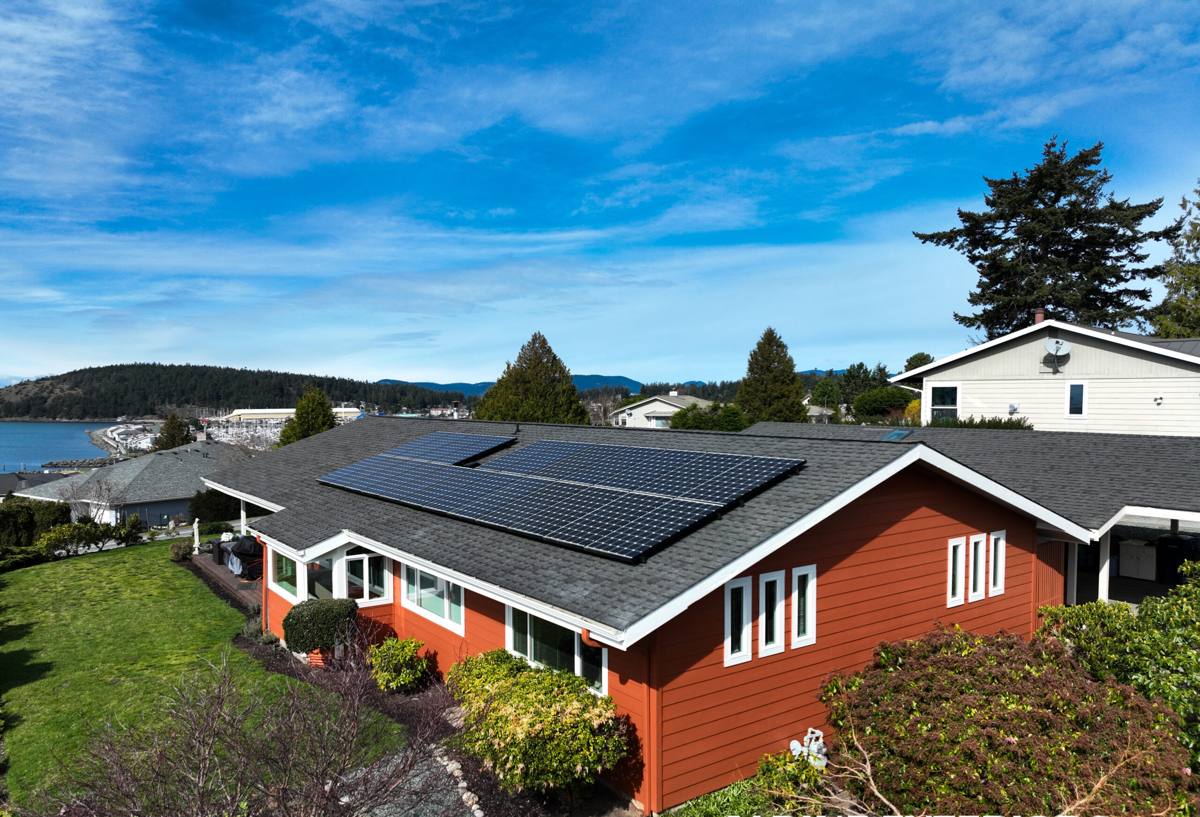
Terrell Creek sits close enough to Birch Bay's shoreline that salt air, wind-driven rain, and a long moss season are simply part of owning a home here. Windows in this pocket of Whatcom County take a different kind of beating than windows twenty miles inland, and that matters when it's time to replace or custom-fit them. A window that's rated fine for a dry, sheltered lot can fail early here — not because it was a bad window, but because it was never matched to this exposure in the first place.
This page is about one job, done right, in one place: custom window installation and replacement for homes in and around Terrell Creek. Not a general overview of every siding or exterior service we offer — just what local homeowners need to know before they replace windows here.
What Coastal Exposure Actually Does to Windows
Salt air, sustained rain, and shade-driven moss growth don't damage windows in dramatic ways. They work slowly, at the seams and the joints, which is exactly why so many failures go unnoticed until there's a soft spot on the interior sill or a draft that wasn't there last winter.
Salt air and hardware
Airborne salt accelerates corrosion on unprotected fasteners, hinges, and lock hardware. Cheaper mill-finish aluminum components and low-grade steel screws are the first things to show it — usually as pitting or a chalky white residue well before the window itself has any visible problem.
Driving rain and sealants
Wind-driven rain off the bay doesn't just hit a window head-on — it gets pushed sideways and upward into gaps that would never see water in a calmer location. That means the flashing and sealant details around a window carry more responsibility here than they would on a sheltered inland lot, and any shortcut in that work shows up as a leak sooner rather than later.
Moss and shaded trim
Terrell Creek's tree cover keeps a lot of homes shaded for large parts of the day, which is great for the yard and not so great for painted wood trim around windows. Moss and algae hold moisture against the surface long after a storm has passed, which is one of the more common ways we see wood window trim and sills start to soften from the outside in.
Choosing Window Materials for a Terrell Creek Home
There's no single "best" window material — the right call depends on your home's exposure, your maintenance appetite, and your budget. Here's how the common options actually perform in this specific climate.
| Material | Coastal Performance | Maintenance | Where It Fits Best |
|---|---|---|---|
| Vinyl | Good — resists corrosion and rot, handles moisture well | Low | Most Terrell Creek homes; best value for the climate |
| Fiberglass | Very good — dimensionally stable in wet/dry cycling | Low | Homes wanting a narrower frame profile or paint-grade finish |
| Aluminum-clad wood | Good on the exterior face, but seams need attention | Moderate | Homes prioritizing a wood interior look with less exterior upkeep |
| Solid wood | Weakest in this exposure without diligent upkeep | High | Historic or architectural matches where the look is non-negotiable |
| Bare aluminum | Poor — prone to pitting and corrosion near salt air | Moderate to high | We generally steer clients away from it this close to the bay |
We're not against wood or aluminum on principle — both have their place — but we're honest with clients about the added upkeep those materials require this close to the water. If you want the aesthetic of one of the higher-maintenance options, we'll tell you upfront what that commitment looks like rather than let you find out the hard way in year three.
What a Correct Custom Window Installation Actually Involves
"Custom" windows means the unit is built or ordered to fit an opening exactly — not trimmed down or shimmed to make a stock size work. That precision matters more here than in a dry climate, because every gap you don't have to seal is one less place water can find its way in.
Accurate measurement and sizing
Older Birch Bay-area homes often have openings that have shifted slightly over decades of settling, or were never perfectly square to begin with. We measure each opening individually rather than assuming uniformity across a wall, which is the difference between a window that fits and one that gets forced into place.
Flashing and weatherproofing sequence
The window unit itself is only part of the job. The flashing tape, sill pan, and house wrap integration around it are what actually keep wind-driven rain from working its way behind the siding. This sequencing has to happen in the right order — sill pan first, then side flashing, then the window, then top flashing lapped over the housewrap — and skipping or reversing a step is one of the most common causes of hidden leaks we're called out to fix.
Old window removal and disposal
Removing the old unit without damaging the surrounding framing or siding takes care, especially on older homes where the opening may have settled or where prior repairs weren't done cleanly. We check the framing for rot or moisture damage at this stage — before the new window ever goes in — since that's the only real chance to catch a hidden problem before it's sealed back up behind new trim.
Our Process, Start to Finish
- Free on-site estimate — we look at your specific openings, exposure, and existing window condition, not just a photo or a phone description.
- Material and style selection — we walk through the honest trade-offs for your home's exposure and budget, not just what's easiest for us to install.
- Custom ordering — units are built to your exact opening dimensions rather than adapted from stock sizes.
- Removal and framing check — old windows come out carefully, and we inspect the framing underneath before anything new goes in.
- Installation with full weatherproofing — sill pan, flashing, and sealant details done in the correct sequence for this climate.
- Final walkthrough — we test operation, check seals, and confirm everything is clean before we consider the job done.
Signs Your Terrell Creek Windows Need Attention
Because coastal wear happens gradually, most homeowners don't notice a problem until it's already progressed. Here's what to check for:
- Fogging or condensation between panes on double- or triple-glazed units — a sign the seal has failed
- Sticking, dragging, or hardware that's harder to turn than it used to be
- Visible corrosion or white powdery residue on hinges, locks, or screws
- Soft or discolored wood trim, especially on shaded sides of the house
- Persistent moss or algae growth on sills or trim that keeps coming back after cleaning
- A noticeable draft near the frame during windy weather
- Visible daylight or gaps where the frame meets the siding
Any one of these on its own might not mean an emergency, but a few together usually means it's worth having someone take a real look before the underlying framing gets involved.
What Drives Cost on a Custom Window Project
We don't quote sight-unseen prices, but these are the factors that actually move the number for Terrell Creek homes, so you know what to expect before an estimate.
| Factor | Why It Matters Here |
|---|---|
| Number and size of openings | Larger or more numerous windows mean more material and labor |
| Material choice | Vinyl and fiberglass are generally more budget-friendly than clad wood or full wood |
| Condition of existing framing | Rot or moisture damage found during removal adds repair scope before the new window goes in |
| Access and height | Second-story or hard-to-reach openings take more time and equipment |
| Custom shapes or sizes | Non-standard openings cost more to fabricate than common stock dimensions |
| Glass package | Upgraded glazing for noise, energy performance, or UV control adds to the unit cost |
The one factor that shouldn't be a variable is the flashing and weatherproofing detail — that's not an upgrade, it's the baseline for doing the job correctly in this climate.
Why It Matters to Hire a Crew That Already Works Terrell Creek
Window installation looks similar everywhere on the surface, but the details that keep a window performing for decades are specific to the exposure it's going into. A crew that mostly works drier, inland areas of Whatcom County may not default to the sill-pan-first sequencing or the corrosion-resistant hardware choices that matter for a home exposed to salt air and driving rain off the bay. It's not a matter of skill — it's a matter of what a crew is used to encountering and building in for by habit.
We work in Birch Bay and the surrounding Whatcom County shoreline regularly, which means we're not guessing at how this specific stretch of weather treats a window installation over time. We've seen what holds up and what doesn't, and we build the job around that experience rather than a generic install checklist.
If your Terrell Creek home has windows that are drafty, fogged, sticking, or just original to a house built decades ago, we're happy to come take a look. The estimate is free, there's no pressure, and you'll get a straight answer about what your home actually needs — use the form below to get started.