 Birch Bay
 Marietta's Coastline Is Hard on Siding
Marietta sits along the Whatcom County shoreline near Birch Bay, close enough to Puget Sound and the Strait of Georgia that salt-laden air is part of daily life here, not an occasional visitor. That air carries fine salt particles that settle on exterior walls, and combined with the region's driving rain and long stretches of overcast, damp weather, it creates conditions that most siding materials were never designed to handle for the long haul. Add in a moss season that can stretch from fall through spring, and a Marietta home's siding is under near-constant low-grade attack even when nothing looks obviously wrong.
This isn't a scare story — it's just the reality of building on the Whatcom County coast. The question isn't whether your siding will face salt exposure, wind-driven rain, and moisture that lingers in shaded, north-facing walls. It's whether the material and the installation were built to shrug that off for decades, or whether they'll show it within a few years.
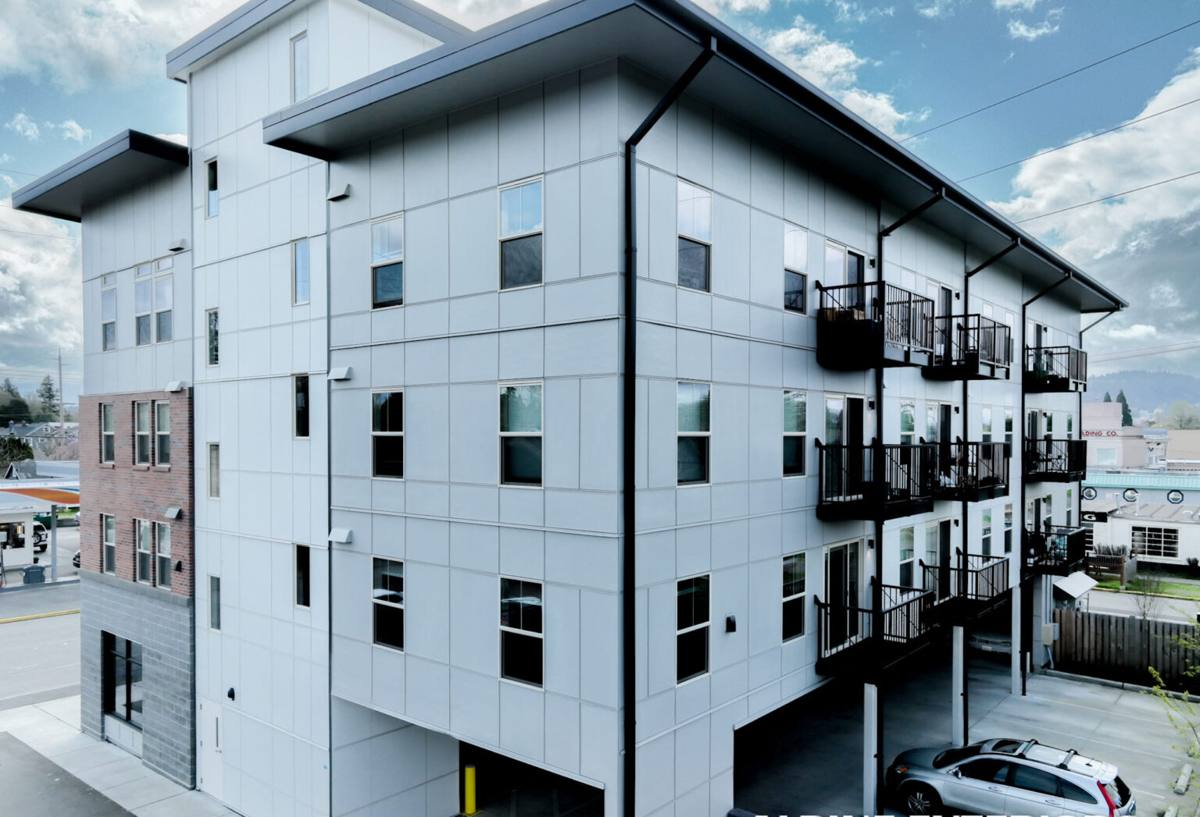
Why We Install Only James Hardie Here
We install James Hardie fiber cement siding exclusively — not vinyl, not LP SmartSide, not Cemplank or Allura, not primed spruce or cedar. That's a deliberate standard, and in a marine climate like Marietta's, it matters more than in drier parts of the state. Fiber cement is non-combustible, dimensionally stable, and doesn't rely on paint film alone to keep water out the way wood products do. James Hardie's ColorPlus finish is baked on at the factory under controlled conditions, which holds up far better against salt exposure and UV than field-applied paint, and it comes with a longer, more consistent warranty against fading and flaking than most touch-up paint jobs can match.
James Hardie also engineers specific product lines for different climate zones through its HZ5 and HZ10 designations, which account for regional moisture and temperature patterns. For a coastal Whatcom County property like a Marietta home, that climate-specific engineering is the difference between siding that's a generic fit and siding that was actually specified for conditions like these.
What Homeowners Give Up With the Alternatives
Vinyl siding can warp or crack in temperature swings and tends to look visibly dated faster in high-UV, high-moisture cycles. LP SmartSide and other engineered wood products depend heavily on caulking and paint maintenance staying ahead of moisture intrusion — miss a maintenance cycle in a wet climate and the wood substrate can start to swell or delaminate at seams. Primed spruce and cedar are attractive materials, but they need more frequent repainting and sealing to perform near salt air, and any gap in that maintenance shows up as rot faster than most owners expect. None of these are "bad" products across the board — they're just trade-offs we're not willing to install on homes that face what Marietta's coastline delivers year-round.
What a Correct James Hardie Installation Actually Involves
The material is only half the equation. Most of the siding failures we get called out to inspect in this area aren't a problem with James Hardie as a product — they're a problem with how the siding was installed. In a marine climate, installation mistakes that would be minor elsewhere become real moisture problems within a few seasons.
Weather Barrier and Flashing
Every wall gets a continuous water-resistive barrier behind the siding, with flashing detailed correctly at windows, doors, and any horizontal trim so water is directed out and down, never trapped behind the cladding. This step is invisible once the job is done, which is exactly why it's the step that gets rushed on lower-bid jobs — and exactly why it's the step that determines whether your walls stay dry for the next 30 years.
Fastening and Clearances
James Hardie specifies fastener type, spacing, and placement, and it specifies minimum clearances from grade, roofing, decks, and other siding terminations. Those clearances exist to keep the bottom edge of the siding from sitting in standing water or splash-back, which is a common failure point on homes close to grade in wetter climates. We follow Hardie's published installation instructions on every job, not a shortcut version of them.
Cut Edges and Caulking
Factory-primed and ColorPlus panels are engineered to resist moisture on their finished faces, but any field cut exposes raw fiber cement that needs to be sealed — primed and painted, or treated per Hardie's specs — before it's closed up. Skipping this on a single cut edge can create a slow moisture entry point that isn't obvious until paint starts failing or staining shows up years later.
Common Siding Issues We See in This Area
Because we work regularly in and around Birch Bay and the broader Whatcom County coastline, the same handful of problems come up again and again on homes with the wrong material or a compromised installation:
- Moss and algae buildup on north- and west-facing walls that stay shaded and damp for weeks at a time
- Salt film staining that dulls paint finishes and, on lesser materials, accelerates coating breakdown
- Swelling or soft spots at seams and butt joints on wood-based products where caulking has failed
- Paint or coating failure years ahead of schedule on field-painted siding that wasn't maintained on a tight cycle
- Trapped moisture behind siding from missing or poorly lapped flashing, usually discovered only when siding is removed
James Hardie siding, correctly installed, resists most of these on the material side — but moss and salt film are still surface conditions that benefit from periodic gentle cleaning regardless of what's on the wall.
Our Process, Start to Finish
1. On-Site Assessment
We walk the exterior with you, look at existing siding condition, note any areas of concern — trim, window flashing, grade clearance — and talk through which James Hardie product line and profile fits the home.
2. Written Estimate
You get a clear, itemized estimate: material, labor, trim work, and any prep or repair the substrate needs before new siding goes on. No vague allowances.
3. Prep and Weather Barrier
Old siding comes off, the sheathing gets inspected for hidden rot or damage (common on older homes near the water), and a new weather-resistive barrier and flashing system goes in before a single piece of Hardie board is hung.
4. Installation to Manufacturer Spec
Siding, trim, and fastening follow James Hardie's published instructions exactly — clearances, fastener spacing, cut-edge treatment, all of it.
5. Final Walkthrough
We walk the finished job with you, check every elevation, and make sure the work matches what was estimated before we call it done.
What Affects the Cost of a Marietta Siding Job
| Factor | Why It Matters Here |
|---|---|
| Home size and story height | More wall area and taller elevations mean more material and labor, plus more scaffolding on multi-story homes |
| Existing siding removal and substrate condition | Coastal moisture exposure sometimes means hidden sheathing repair is needed before new siding goes on |
| Siding profile and trim complexity | Lap siding, shingle-style panels, and board-and-batten all price differently, and more trim detail adds labor |
| ColorPlus vs. field-painted finish | Factory finish costs more up front but removes a repainting cycle from your maintenance schedule |
| Access and site conditions | Waterfront lots, tight setbacks, and landscaping can affect staging and equipment access |
We don't quote broad numbers without seeing the home, but these are the factors that move a Marietta estimate up or down — worth knowing before you compare bids.
Maintaining James Hardie Siding in a Marine Climate
James Hardie siding is low-maintenance compared to wood or field-painted alternatives, but "low-maintenance" isn't "no-maintenance" — especially this close to the water. A simple annual routine keeps it performing the way it's designed to:
- Rinse siding with a garden hose (not a pressure washer aimed directly at seams) once or twice a year to clear salt film and loose debris
- Trim back vegetation and tree limbs that keep any wall shaded and damp longer than it needs to be
- Check caulking at trim joints and penetrations annually and re-caulk any cracked or shrunken beads
- Address moss with a gentle, siding-safe treatment rather than scraping, which can damage the finish
- Walk the exterior after major windstorms to check for loose trim or fasteners
Why Hiring a Crew That Already Works This Area Matters
Marietta homes face a specific combination of salt exposure, rainfall volume, and moss growth that a crew based inland or unfamiliar with Whatcom County's coastline won't necessarily plan for by default — flashing details, clearance decisions, and product line selection all benefit from local experience. A contractor who already works Birch Bay and the surrounding coastal communities knows which walls take the worst weather, where moisture tends to collect, and how to detail a job so it holds up rather than just looks good on installation day. That's the standard we hold every job to, and it's why we don't cut corners on the parts of the job you won't see once the siding is up.
If you're planning a siding project in Marietta, we're happy to take a look and walk you through what your home actually needs — no pressure, no obligation. Reach out using the form below for a free estimate.