 Birch Bay
 Metal Roofing Built for Life on the Semiahmoo Spit
Semiahmoo sits out on a narrow spit between Semiahmoo Bay and Drayton Harbor, right at the edge of Blaine and the far northwest corner of Whatcom County. It's one of the more exposed residential settings in the county — water on more than one side, open wind with little to break it, and a marine climate that stays damp for most of the year. Roofs out here take a harder beating than roofs even a few miles inland, and metal roofing has become a common answer for homeowners who are tired of replacing shingles every couple of decades or fighting moss on a north-facing slope every spring.
This page focuses specifically on metal roofing for Semiahmoo properties — what the local conditions actually demand from a metal roof system, what separates a correct installation from a rushed one, and how our process works from first inspection to final walkthrough. It's not a generic metal roofing overview; it's written around the specific stresses a roof on this spit has to handle.
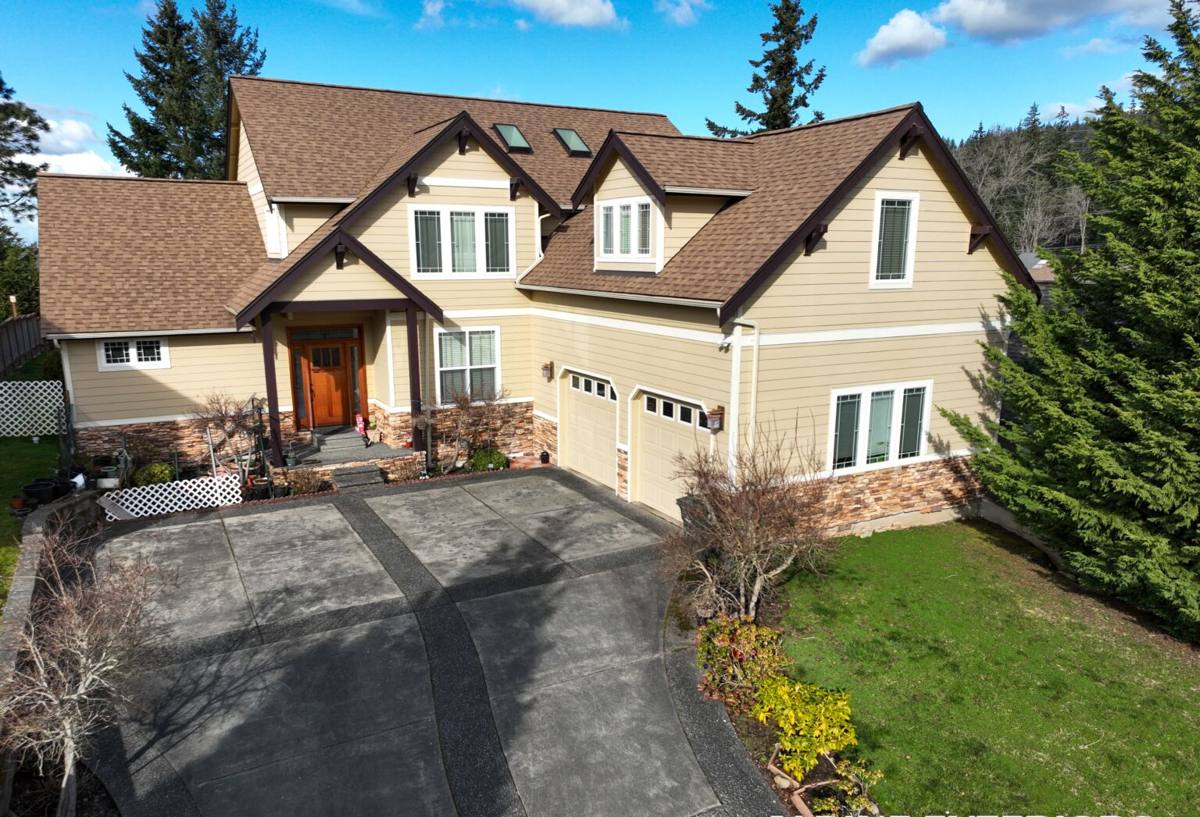
What Semiahmoo's Climate Demands From a Roof
Salt Air From More Than One Direction
Because the spit is bordered by water on more than one side, homes here get salt-laden air moving in from multiple directions rather than one prevailing exposure. That matters for every exposed metal component on a roof — fasteners, flashing, ridge caps, and the panels themselves. Salt accelerates corrosion in lower-grade metals and coatings far faster than a drier, more sheltered inland site would ever see, which makes material and coating choice a bigger deal on Semiahmoo than it is just a few miles away.
Wind-Driven Rain
With almost no windbreak out on the spit, rain doesn't just fall straight down — it gets pushed sideways and upward under panel edges, at seams, and around penetrations with more force than a sheltered lot ever experiences. A roofing system that performs fine on a calmer inland property can leak on Semiahmoo specifically because it was never designed or installed to resist water moving in that direction.
A Long Moss and Algae Season
Mild temperatures, near-constant humidity, and shaded north-facing roof planes add up to a moss and algae season that runs most of the year across this stretch of Whatcom County. Porous roofing materials hold onto that moisture and give moss something to grip. It's one of the clearest practical advantages metal roofing has here, since a smooth metal panel gives algae and moss spores far less to hold onto than a textured shingle surface does.
Why Metal Roofing Makes Sense on the Spit
Metal isn't automatically the right answer for every home, but for an exposed waterfront property like Semiahmoo, it lines up well with the specific problems the climate causes.
- Wind resistance: Properly installed metal panel systems carry higher wind-uplift ratings than most asphalt shingle products, which matters directly on a spit with open exposure and no windbreak.
- Moss and algae resistance: A smooth, non-porous surface sheds water fast and gives organic growth far less to root into than a shingle surface does, which cuts down on the recurring moss cleanup that shaded Semiahmoo roofs otherwise need.
- Longevity: A correctly installed metal roof with the right coating system commonly outlasts two or more asphalt shingle roof cycles, which matters on a property where re-roofing means dealing with wind and rain exposure during the work itself.
- Fire resistance: Metal roofing is non-combustible, which can matter for insurance underwriting depending on the carrier and policy.
- Snow and rain shedding: Steep-slope metal panels shed water and the occasional snow load faster than a shingle roof, reducing the time water sits on the roof surface during heavy weather.
None of that means metal is maintenance-free or that it's automatically the right fit for every budget. It's a real trade-off: a higher upfront cost in exchange for less recurring maintenance and a longer service life, which is worth weighing honestly against a home's specific roofline, budget, and how long the owner plans to stay in the house.
Comparing Metal Roofing Systems for a Semiahmoo Home
| System Type | Fastening Method | Fit for Semiahmoo Conditions |
|---|---|---|
| Standing Seam | Concealed clips, no exposed fasteners through the panel field | Best wind and water performance on an exposed, open-wind property; the most common recommendation here |
| Exposed-Fastener Corrugated/Ribbed Panel | Screws driven through the panel face into the deck | Lower upfront cost, but every fastener penetration is a potential leak point that needs regular inspection and re-sealing over time |
| Metal Shingles/Shakes | Interlocking panels styled to resemble shingle or shake profiles | Good moss and wind resistance with a more traditional look, though detailing at valleys and transitions is more labor-intensive |
For most Semiahmoo homes, standing seam is the system we recommend first, specifically because it has no exposed fasteners for salt air and wind-driven rain to work on over time. Exposed-fastener panels can still be a reasonable choice on secondary structures or where budget is the deciding factor, but the maintenance burden is real and worth understanding before choosing it for a primary roof on this kind of exposed lot.
What a Correct Metal Roof Installation Involves
Metal roofing only delivers on its reputation for longevity and weather resistance when it's installed correctly. A rushed or under-specified metal roof can fail faster than a well-installed asphalt shingle roof, so the installation details matter as much as the material choice.
Deck Inspection and Underlayment
A metal roof install should start with a full inspection of the existing deck, not a layover over unknown conditions underneath. A high-temperature synthetic or self-adhered underlayment goes down next, since metal panels can run hotter in direct sun than shingles do, and cheaper underlayment products can degrade under that heat over time.
Fastening and Clip Systems
On standing seam systems, concealed clips allow the panels to expand and contract with temperature changes without tearing loose or buckling. Getting clip spacing and fastener grade right matters more on an open-wind property like Semiahmoo than it does on a sheltered inland lot, since the wind-uplift forces the system needs to resist are simply higher here.
Flashing at Valleys, Walls, and Penetrations
Most roof leaks, on metal or any other material, start at flashing details rather than in the open field of the roof. Valleys, chimney and vent penetrations, and roof-to-wall transitions all need flashing that's properly integrated with the panel system and underlayment, not caulked over as a shortcut. This is where wind-driven rain finds its way in on an exposed lot if the detailing was rushed.
Corrosion-Resistant Materials Throughout
Every exposed metal component — panels, fasteners, flashing, and trim — needs a coating or metal type rated for coastal, salt-air exposure. Mixing incompatible metals (for example, certain fasteners against certain panel coatings) can accelerate corrosion through galvanic reaction, which is a detail that matters more on Semiahmoo than it would on a drier inland roof.
Ventilation
Balanced intake and exhaust ventilation keeps the underside of the roof deck dry, which protects both the panel system from below and the structure underneath it. A metal roof that looks good from the street can still be trapping moisture against the deck if ventilation was an afterthought.
Cost Factors Worth Understanding
Metal roofing bids vary more than shingle bids do, largely because "metal roof" covers a wide range of systems, gauges, and coatings. Understanding what drives the price helps you compare estimates on an apples-to-apples basis.
| Factor | What It Affects |
|---|---|
| Panel system (standing seam vs. exposed-fastener) | Upfront cost, long-term maintenance burden, and leak risk over time |
| Metal gauge and coating | Corrosion resistance and expected service life in a salt-air environment |
| Underlayment grade | Heat and moisture performance under the panel field |
| Flashing scope | How thoroughly valleys, penetrations, and wall transitions are addressed |
| Roof complexity | Number of valleys, dormers, and transitions, which drives labor time on a metal system more than on shingles |
| Tear-off vs. overlay | Whether existing deck damage gets found and addressed before new panels go on |
A detailed written estimate that breaks out these components tells you far more than a single bottom-line number, and it's worth asking any contractor to walk through exactly what panel system, gauge, and coating they're pricing before comparing bids side by side.
How Our Process Works
We keep the process straightforward, because a roof this size is a major decision and homeowners deserve to know what's happening at each stage.
- In-person inspection: We walk the roof and attic in person and document the current condition, including any existing moss, flashing wear, or deck concerns.
- Written estimate: You get a clear, itemized bid covering panel system, gauge and coating, underlayment, flashing scope, ventilation, and cleanup — not a vague single-line price.
- Scheduling around weather: We build reasonable flexibility into the timeline, since wet-season delays are a normal part of working on an exposed property like this rather than something we pretend won't happen.
- Deck prep and underlayment: Any deck repair needed gets addressed before underlayment goes down, and underlayment goes down before panels start.
- Panel installation and flashing: Panels, clips, and flashing go in to manufacturer specification, with extra attention at valleys, penetrations, and wall transitions given the wind and rain exposure here.
- Final walkthrough: We review the completed roof with you and do a full site cleanup before calling the job done.
Why Hiring a Crew That Already Works Semiahmoo Matters
A crew that regularly works roofs on and around the spit has already seen how salt air corrodes underspecified fasteners, how wind-driven rain finds its way through flashing that wasn't lapped correctly, and which roof orientations hold moss longest through the wet season. That's practical knowledge that shows up in the small decisions made throughout a metal roof install — decisions a crew unfamiliar with this specific stretch of Whatcom County coastline might not think to make at all.
It also matters after the job is finished. A workmanship warranty is only as good as the company standing behind it, and a contractor with an established, ongoing presence in the area is the one you can actually reach a few years later if a question comes up.
A Practical Checklist Before You Choose a Metal Roofing Contractor
- Do they specify panel type, gauge, and coating in writing, not just "metal roof"?
- Is flashing work at valleys, penetrations, and walls explicitly included in the bid?
- Do they explain how they handle fastener and coating compatibility to avoid galvanic corrosion?
- Do they carry current WA contractor licensing, liability insurance, and workers' compensation?
- Can they point to recent, real local work in or near Semiahmoo or Blaine?
- Does the bid separate the manufacturer's material warranty from their own workmanship warranty?
Signs a Semiahmoo Metal Roof or Existing Roof May Need Attention
Metal roofs don't fail the way shingle roofs do, but they still give warning signs worth catching early.
- Rust streaking or visible corrosion at fasteners, flashing, or panel edges
- Panels that have loosened, buckled, or show oil-canning beyond normal cosmetic waviness
- Moss or algae buildup at seams, valleys, or shaded roof planes
- Water staining on interior ceilings near valleys, penetrations, or wall transitions
- Sealant that's cracked, shrunk, or pulled away around vents, chimneys, or skylights
If you're noticing any of these on an existing roof, or you're weighing whether a metal roof is the right move for a Semiahmoo home, it's worth having it looked at directly rather than guessing from the ground.
If you'd like an honest, no-pressure look at your Semiahmoo roof and a written estimate to compare against anything else you've received, we're glad to come take a look. Use the form below to request a free estimate.