 Birch Bay
 Windows Built for Nooksack's Whatcom County Climate
Nooksack sits inland from the saltwater shoreline of Birch Bay, along the river valley that gives the town its name, but the two share the same weather system. Whatcom County winters bring long stretches of driving rain, heavy cloud cover, and humidity that never really lets up from October through April. That combination is hard on windows no matter where in the county a house sits — older sashes swell and stick, seals fail years before their rated life, and moss and mildew find every ledge and corner that stays wet too long. Homes in Nooksack tend to be a mix of older farmhouses, mid-century ranch homes, and newer construction on larger rural lots, and each of those building types has different window problems worth understanding before you replace anything.
We install and replace custom windows throughout the Birch Bay service area, including Nooksack, and we size our approach to what actually happens to windows out here — not a generic national weather profile.
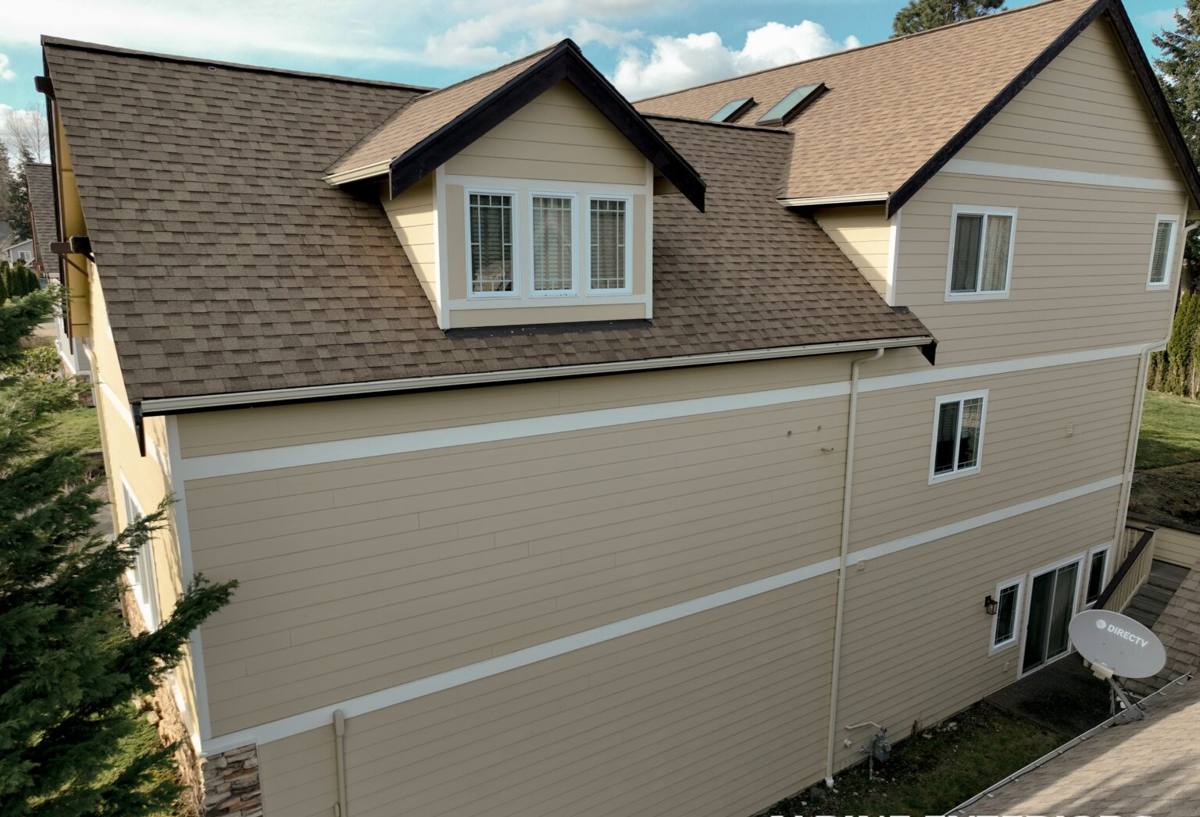
What Nooksack Homes Actually Need From Their Windows
Nooksack doesn't get the direct salt spray that oceanfront Birch Bay properties deal with, but it isn't spared the region's core problems either. Being inland along the Nooksack River valley means more fog, more standing humidity in low spots, and wider temperature swings between summer afternoons and cool, damp nights than you'd see right on the water. That combination of humidity and temperature swing is exactly what drives condensation between panes and premature seal failure in older double-pane units.
- Moisture management — with this much annual rainfall, any gap in flashing or sealant eventually becomes a leak, not a maybe.
- Moss and organic growth resistance — window sills, mulled units, and grid work in shaded areas need materials and finishes that don't feed moss and mildew.
- Condensation control — proper glazing and frame insulation keep interior moisture from fogging or rotting sills during the long wet season.
- Wind and rain-load performance — Pacific storm systems push driving rain sideways into window assemblies, so flashing details matter as much as the window unit itself.
Why "Custom" Matters More Than It Sounds
Custom windows aren't a marketing term — they're what's actually required on a large share of Nooksack homes. Older farmhouses and mid-century houses in this area were often built to dimensions that don't match today's standard window sizes. Additions, remodels, and outbuildings add openings that were never standardized to begin with. Trying to force a stock-size replacement window into a non-standard opening usually means covering the gap with extra trim, shimming unevenly, or leaving a seam that's never quite weathertight.
Where Custom Sizing Comes Up Most
We see this most often on older single-pane wood windows being upgraded for the first time, on additions built without matching the original house's window module, and on homes where a previous owner already patched an opening with the wrong-size unit. In every one of these cases, an accurate field measurement before ordering — not a guess based on the old unit's label — is what keeps the new window performing the way it should for the next few decades.
Matching the House
Custom also covers appearance: matching grid patterns, trim profiles, and exterior color on a house where the windows have to look original even though they're new. That matters for resale value and for keeping an older Nooksack home's character intact, especially on farmhouse and craftsman-style properties where mismatched replacement windows are an obvious eyesore from the road.
What a Correct Window Installation Actually Involves
The window unit itself is maybe half the job. The other half is everything around it, and that's where most poor installations fail — not because the window was bad, but because the opening wasn't prepared correctly.
- Remove the old window and inspect the framing underneath for rot, soft wood, or prior water damage before anything new goes in.
- Repair or replace any damaged framing — installing a new window over rotten sheathing just hides the problem for a while.
- Install a sloped sill pan flashing so any water that gets past the window drains back out, not into the wall cavity.
- Apply weather-resistant barrier and flashing tape in the correct shingle-lap order so water sheds downward and outward at every layer.
- Set the window level, plumb, and square, then fasten per the manufacturer's schedule — not just "close enough."
- Insulate the gap between the window frame and rough opening with a low-expansion foam or backer rod, avoiding gaps and avoiding over-filling that can bow the frame.
- Seal and caulk the exterior perimeter with a product rated for our climate, then finish interior trim.
Skip the sill pan or get the flashing lap order backwards, and you can install a genuinely excellent window and still end up with rot in the wall a few years later. This is the step where an inexperienced installer costs a homeowner far more than they saved on the quote.
Comparing Window Frame Materials for This Climate
There's no single "best" window material — the right choice depends on the house, the budget, and how much upkeep an owner wants to take on. Here's how the common options actually perform under Whatcom County's wet, moss-prone conditions.
| Material | Moisture Performance | Maintenance | Typical Lifespan |
|---|---|---|---|
| Vinyl | Very good — won't rot, doesn't need repainting | Low — occasional cleaning | 20–30 years |
| Fiberglass | Excellent — dimensionally stable in wet/dry swings | Low | 30–40+ years |
| Wood (painted/stained) | Good if maintained; vulnerable if neglected | High — repaint/reseal every few years | 20–40 years with upkeep |
| Wood-clad (wood interior, exterior shell) | Very good exterior; wood look inside | Moderate | 25–35 years |
| Aluminum | Fair — can condense and conduct cold without thermal breaks | Low | 20–30 years |
For a house in Nooksack's mix of open farmland and river-valley humidity, vinyl and fiberglass tend to be the practical default for most budgets — they don't need repainting and they resist the swelling and rot that plain wood windows face out here. Wood-clad units are a reasonable middle ground for owners who want a wood interior look without exterior maintenance. Solid wood windows can absolutely be the right call on a historic or high-end home, but only with an owner who's committed to keeping up the exterior finish — we'll always tell you honestly if a low-maintenance option makes more sense for your situation and budget.
What Drives the Cost of a Custom Window Project
Every project is different, but the same handful of factors move the price up or down on almost every job we quote.
| Factor | Why It Matters |
|---|---|
| Number and size of openings | More and larger windows means more material, labor, and disposal |
| Custom vs. standard sizing | Non-standard openings require special-order units, which cost more and take longer to arrive |
| Frame material | Vinyl is typically the most budget-friendly; wood and premium fiberglass cost more upfront |
| Condition of existing framing | Rot or water damage found during removal adds repair time before the new window can go in |
| Accessibility | Second-story or hard-to-reach openings take longer and may need extra equipment |
| Old window disposal | Removal and hauling of old units factors into the total, especially for full-house replacements |
We're glad to walk through where your project falls on each of these during an estimate — including telling you honestly if a lower-cost material will hold up fine for your situation, rather than upselling you into something you don't need.
Signs Your Windows Need Attention
A lot of homeowners live with failing windows longer than they need to simply because the signs show up gradually. Worth checking for:
- Fogging or moisture trapped between panes of a double-pane window — the seal has failed and it won't clear on its own
- Visible moss, black mildew staining, or soft wood on the exterior sill or trim
- Windows that are difficult to open, close, or lock, or that no longer sit flush in the frame
- Noticeable draft or cold air near the window edge even when it's fully closed
- Condensation forming on the interior glass or frame regularly during the wet season
- Visible daylight or gaps around the frame from outside
- A noticeable jump in heating costs without any other explanation
Any one of these on its own might just need a repair. Several of them together, especially on an older single-pane window, usually mean replacement is the more cost-effective move long-term.
Our Process, Start to Finish
We keep the process the same whether it's one window or a whole-house replacement, because skipping steps is where problems come from.
- On-site assessment — we look at existing window condition, framing, and any moisture or moss issues before recommending anything.
- Accurate measurement — every opening is measured in the field, not assumed from existing labels, especially important for older Nooksack homes with non-standard sizing.
- Material and quote review — we walk through the honest tradeoffs between materials for your budget and your house, in plain language.
- Ordering and scheduling — custom units take longer to arrive than stock sizes; we'll give you a realistic timeline up front.
- Removal and framing check — old windows come out carefully, and we inspect the rough opening for hidden rot before installing anything new.
- Installation with proper flashing — sill pans, weather barrier, and sealants are installed in the correct order, not just the window itself.
- Final walkthrough — we check operation, seals, and finish work with you before calling the job done.
Why It Matters That Your Crew Already Works This Area
A crew that already works Birch Bay and Nooksack knows what shows up on these houses before they even pull a window out — where moss builds up fastest, which older construction styles tend to have hidden rot around the openings, and how much driving rain the flashing detail actually needs to handle here versus a drier region. That's not something you can fully substitute with a general contractor working from a national installation manual. It also means we're a known, findable local business if a warranty question ever comes up years down the road — not a crew that drove in from out of the area for one job and is hard to track down after.
Hiring locally in Whatcom County also means fewer surprises on scheduling and permitting, since we're familiar with what the county and local jurisdictions expect for window replacement projects, and we're not learning the region's weather patterns on your house.
If you're weighing whether to repair or replace, or just want an honest look at what your Nooksack home's windows actually need, we're happy to come take a look. Estimates are free, there's no pressure, and we'll tell you straight what we'd do if it were our own house — you can request one using the form below.