 Birch Bay
 Why Nooksack-Area Homes Near Birch Bay Need a Different Approach to Windows
Nooksack sits inland from Birch Bay, but the two share the same weather system that moves in off the Strait of Georgia and Puget Sound: salt-laden air, long stretches of driving rain, and a moss season that can run most of the year in shaded spots. Windows here don't fail the way they do in drier inland climates. They fail because water finds a way in through a gap that was never sealed right, or because a wood sill sat wet for a decade and finally gave out. A window replacement job in this part of Whatcom County has to be judged on how well it handles moisture over years, not just on how it looks the day it's installed.
This page covers what we look at, what a correct installation actually involves, and how our process works when we're doing window replacement for a Nooksack-area home.
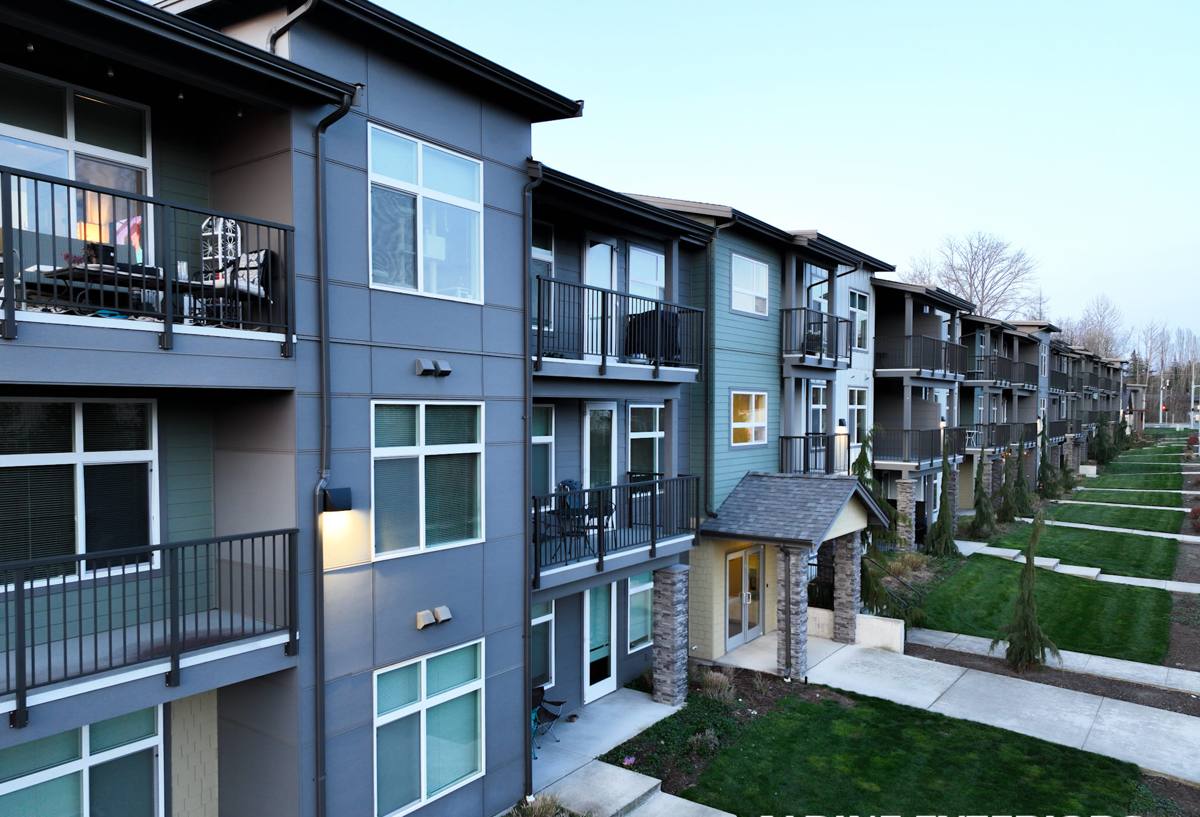
What Salt Air, Driving Rain, and Moss Season Actually Do to Windows
Each of these factors wears on a window assembly in a different way, and understanding the mechanism matters more than just knowing it happens.
Salt Air
Airborne salt accelerates corrosion on metal window hardware — hinges, cranks, screws, and especially lower-grade aluminum components. It also breaks down certain sealants and finishes faster than they'd wear inland. Homes closer to the water get hit harder, but Nooksack's proximity to Birch Bay and the Strait means even properties a few miles inland see more salt exposure than a window product tested only for a dry climate is designed for.
Driving Rain
Wind-driven rain doesn't just fall on a window — it gets pushed sideways and upward into any gap in the flashing, trim, or sealant. A window that would be fine in a calm rain can leak in a wind-driven storm if the water management details behind the trim aren't right. This is the single biggest cause of hidden window failures we see: not the glass or the frame itself, but water getting behind the unit and rotting the framing around it before anyone notices.
Moss and Sustained Damp
Shaded north- and west-facing walls in this area can stay damp for weeks at a stretch during fall and winter. That constant moisture is what lets moss and mildew get a foothold on sills, trim, and caulk lines. Beyond the cosmetic issue, sustained dampness is what turns a small gap in a seal into a wood-rot problem, and it's why we pay close attention to drainage and airflow around every window we install, not just the window itself.
Signs Your Windows Need Replacing, Not Just Repair
Not every window issue means a full replacement. Here's how we sort it out during an inspection:
- Fogging or a persistent haze between panes — the seal on the insulated glass unit has failed and can't be repaired, only replaced
- Soft or spongy wood at the sill or lower frame corners — usually means water has been getting behind the trim for a while
- Windows that are hard to open, close, or lock — frames have swollen, warped, or shifted out of square
- Visible daylight or a draft around the frame when the window is shut and locked
- Paint or finish that keeps failing in the same spot no matter how often it's touched up — a sign of ongoing moisture underneath
- Moss or dark staining building up on the sill or lower trim faster than it does elsewhere on the house
- A noticeable jump in heating costs with no other explanation, especially in a home with older single-pane or early dual-pane windows
If you're only seeing one or two of these and the frame itself is still sound, repair or reglazing may be enough. Once wood framing is compromised or a seal has failed, replacement is the honest recommendation.
What a Correct Window Replacement Job Involves
The window itself is only part of the job. In this climate, the installation details around the window are what determine whether it holds up for twenty years or leaks within five.
Flashing and Weather Barrier Details
Every opening needs proper flashing integrated with the house's weather-resistant barrier — installed so water sheds down and out, never trapped behind the trim. This means flashing tape or pan flashing at the sill, head flashing above the window, and careful sequencing so each layer overlaps the one below it, shingle-style. Skipping or rushing this step is the most common reason a "new" window still leaks.
Sealant and Insulation
The gap between the window frame and the rough opening needs to be insulated and air-sealed correctly — not just stuffed with fiberglass and caulked over. We use low-expansion foam or backer rod and sealant rated for exterior exposure, matched to the gap size, so the seal stays flexible through temperature swings instead of cracking.
Frame Material Choices for This Climate
We steer most Nooksack-area homeowners toward vinyl or fiberglass frames over bare wood for anything exposed to weather. This isn't a knock on wood as a material — it's a maintenance and moisture-behavior call. Wood needs consistent upkeep (refinishing, caulk checks) to hold up against this area's rain and damp season, and if that upkeep lapses even for a couple of years, rot can set in. Vinyl and fiberglass don't need that upkeep and don't give salt air and moisture the same foothold, which is a better match for how most people actually maintain a house over time.
Frame Material Comparison for Coastal Whatcom County Conditions
| Frame Type | Moisture Resistance | Maintenance | Typical Lifespan |
|---|---|---|---|
| Vinyl | Very good — won't rot, low corrosion risk | Low — occasional cleaning | 20–30+ years |
| Fiberglass | Excellent — very stable in wet/dry cycles | Low | 30+ years |
| Wood | Fair — needs a sound finish to resist moisture | High — regular refinishing and caulk checks | Varies widely with upkeep |
| Wood-clad (vinyl or aluminum exterior) | Good — exterior face protected, interior still wood | Moderate | 20–30 years with care |
| Aluminum | Fair — prone to condensation and corrosion near salt air | Moderate | 15–25 years |
There's no single "best" answer for every home — a wood-clad window can be the right call for a homeowner who wants a specific interior look and is committed to upkeep. Our job is to lay out the trade-offs honestly rather than push one product.
Our Process From Estimate to Cleanup
- On-site assessment: We look at each opening individually — frame condition, sill condition, current flashing, and any signs of past water intrusion — not just the glass.
- Straightforward estimate: You get a clear scope of work and pricing before anything is scheduled, with repair-versus-replace called out honestly where it applies.
- Removal: Old windows and trim come out carefully, and we check the rough opening for hidden rot or damage before anything new goes in.
- Repair of what we find: Any soft or damaged framing gets addressed before the new window is set — installing a new window over rotten framing just hides the problem.
- Flashing and installation: New flashing, sealant, and insulation go in following manufacturer specs and best practice for wind-driven rain exposure.
- Trim and finish: Exterior trim is finished to shed water properly, not just for appearance.
- Walkthrough and cleanup: We walk the job with you, confirm every window operates and locks properly, and clear the site of debris.
Cost Factors to Expect
Every home is different, so exact pricing depends on the specifics of your project, but these are the main factors that move the number up or down:
| Factor | Why It Matters |
|---|---|
| Number of windows | Per-window cost typically drops with larger jobs due to shared labor and setup time |
| Frame material | Vinyl is generally the most budget-friendly; fiberglass and wood-clad cost more upfront |
| Glass package | Double-pane vs. triple-pane, and any low-E or gas-fill upgrades, affect both cost and long-term energy performance |
| Extent of hidden damage | Rotted framing found during removal adds repair time before installation can proceed |
| Window size and type | Large picture windows, bays, or custom shapes cost more than standard single- or double-hung sizes |
| Access and site conditions | Second-story or hard-to-access windows take more time and equipment |
A Few Honest Notes on Cost
Broadly speaking, a straightforward single window replacement runs in the low-to-mid four figures per opening once you factor in materials and correct installation, with whole-house projects priced per window and often discounted for volume. Anyone quoting a number without seeing the home in person is guessing. We'd rather walk your property and give you a real number than a low estimate that grows once work starts.
Why Hiring a Crew That Already Works This Area Matters
A contractor who mostly works drier, inland regions can install a technically fine window that still isn't set up for what Whatcom County's coastal weather does to it over time. Knowing to prioritize flashing sequencing over a quick caulk job, choosing frame materials that hold up against salt air, and recognizing early moss or staining as an early warning sign rather than a cosmetic nuisance — that comes from doing this work repeatedly in this specific climate. When we're on a Nooksack-area property, we're applying what we've learned from Birch Bay-area homes facing the same rain and salt exposure, not treating it like a generic install.
Get a Free, No-Pressure Estimate
If your windows are showing any of the signs above, or you just want an honest read on their condition, we're happy to take a look. Use the form below to request a free estimate — no pressure, no obligation, just a straight assessment of what your home actually needs.