 Birch Bay
 Cherry Point's Roofs Take a Different Kind of Beating
Cherry Point sits right up against the water, and that changes how a roof ages. Homes here deal with salt-laden air blowing off the Strait of Georgia, wind-driven rain that gets pushed sideways under normal flashing details, and a moss season that runs longer than almost anywhere else in Whatcom County. None of these problems are dramatic on their own. What they do is work slowly, in the background, until a homeowner notices a stain on a ceiling or a soft spot on the sheathing and realizes the damage has been building for a year or more.
A roof repair in this neighborhood has to account for all three of those forces at once. A patch that would hold up fine in a dry inland town can fail here within a season if it doesn't respect how water moves in a coastal wind event, or how quickly organic growth reestablishes itself on a north-facing slope shaded by fir trees.
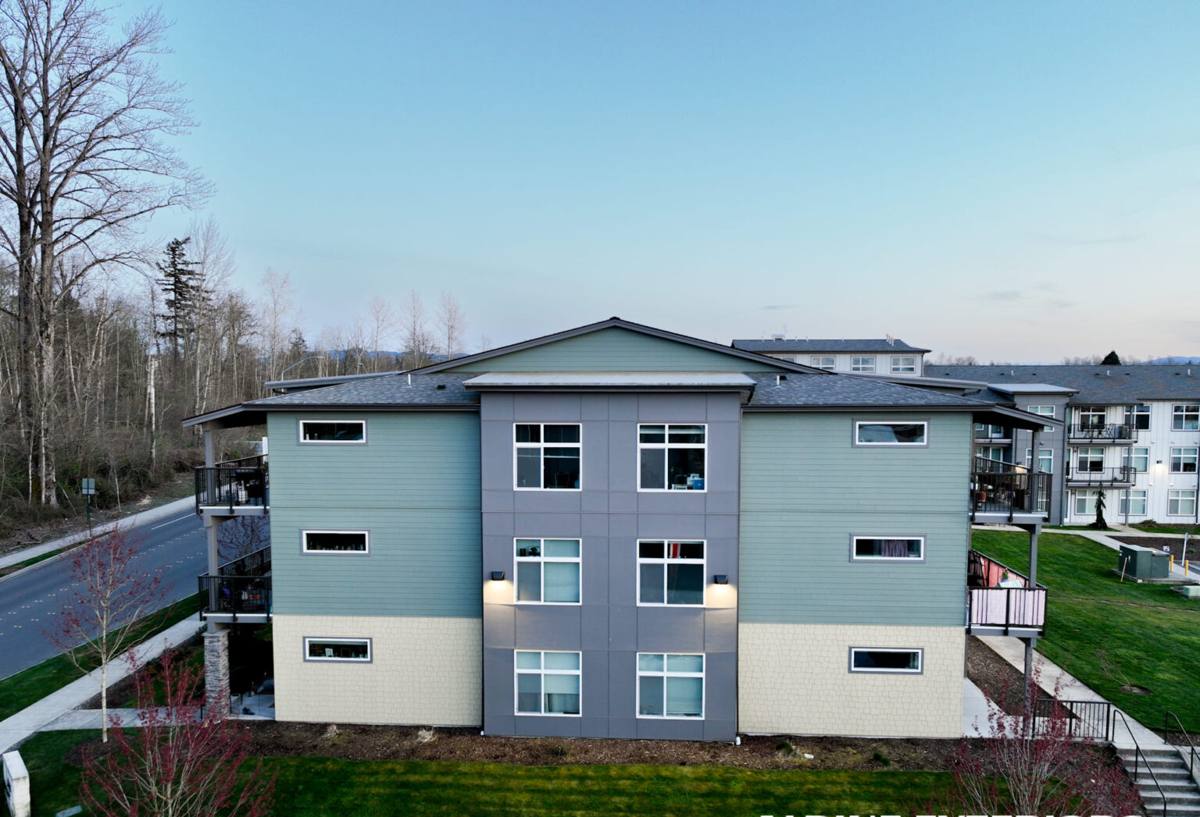
Signs a Cherry Point Roof Needs Repair, Not Replacement
Most roofs don't fail all at once. They show localized trouble first, and catching it early is what keeps a repair a repair instead of turning it into a full tear-off. Some of the most common calls we get from this area start with one of the following:
- A brown or gray water stain on an interior ceiling, usually near an exterior wall or a roof valley
- Shingles that are curling, cracking, or missing after a windstorm off the water
- Dark streaking or thick moss buildup concentrated on shaded or north-facing slopes
- Rusted or lifted metal flashing around a chimney, skylight, or roof-to-wall intersection
- Granules collecting in gutters, a sign the shingle surface is wearing thin
- Soft or spongy decking felt underfoot in the attic, especially near an eave or valley
If you're seeing one or two of these and the roof is otherwise in reasonable shape, a targeted repair is usually the right call. If several of these are showing up together across multiple slopes, that's often a sign the roof is past the point where patching makes sense — and we'll tell you that honestly rather than sell a repair that won't hold.
What a Correct Roof Repair Actually Involves
Finding the Real Source, Not Just the Symptom
Water rarely shows up on a ceiling directly below where it entered the roof. It travels along rafters, sheathing, and underlayment before it drips somewhere visible. A repair that just re-seals the spot where the stain appeared, without tracing the actual entry point, is one of the most common reasons roof leaks come back. We open up the area, check the decking and underlayment condition, and confirm exactly where water is getting in before any material goes back down.
Flashing Comes First
In our experience, the majority of roof leaks in this region trace back to flashing, not the field of the roof itself. Chimneys, skylights, dormers, and any place a roof plane meets a wall are the weak points. Near the water, where wind pushes rain at steep angles instead of straight down, flashing that's slightly undersized or improperly lapped will eventually let water past it. Correct repair work rebuilds the flashing detail properly — step flashing, counter-flashing, and kick-out flashing where a roof edge meets a sidewall — rather than just running a bead of sealant over the old metal.
Matching Materials Honestly
When we replace a section of shingles or shakes, we match the existing material as closely as possible in type, weight, and profile. On older roofs, an exact color match isn't always available, and we'll tell you that up front rather than let a mismatched patch surprise you later. Function always comes before appearance in a repair — a slightly visible patch that sheds water correctly is worth far more than an invisible one that doesn't.
Checking Ventilation While We're Up There
A roof that's failing from the inside is often a ventilation problem as much as a weather problem. Poor attic airflow traps moisture, which speeds up rot in decking and shortens the life of the roofing material from underneath. Any time we're doing repair work, we take a look at soffit and ridge venting and flag it if it's contributing to the problem — that's not an upsell, it's part of doing the diagnosis right.
How Roofing Materials Hold Up Near the Water
Different roofing materials age differently in a coastal, moss-prone environment like Cherry Point. This isn't about telling you which brand to buy — it's about understanding what you're maintaining and what to expect from a repair.
| Material | Typical Challenge Near Cherry Point | Repair Considerations |
|---|---|---|
| Asphalt composition shingle | Granule loss from wind and moss, curling on shaded slopes | Easiest to patch section-by-section; matching older shingle color can be limited |
| Cedar shake | Moss and moisture retention, faster decay on shaded north slopes | Individual shake replacement is possible but requires careful weaving; ongoing moss control is critical |
| Standing seam metal | Fastener and seam wear from salt air, occasional panel damage from wind debris | Repairs are usually seam or fastener-specific; full panel replacement is rare but sometimes necessary |
| Composite/synthetic shingle | Generally more resistant to moss and salt air, but flashing details still matter most | Patch repairs are straightforward when matching product line is available |
Whatever the material, the pattern holds true across Whatcom County's shoreline neighborhoods: the roofing surface itself is rarely the weak link. Flashing, ventilation, and moss management are what determine how long a roof actually lasts out here.
Our Repair Process, Start to Finish
1. On-Site Inspection
We walk the roof (or use a ladder and camera where a walk-on inspection isn't safe) and check both the exterior surface and, when accessible, the attic from underneath. We're looking for the actual point of failure, not just the visible symptom.
2. A Written Scope Before Any Work Starts
You get a clear explanation of what we found, what we recommend fixing, and roughly what that involves — in plain language, not a vague line item. If we think a repair isn't the right long-term fix, we'll say so before doing work that only buys a season or two.
3. The Repair Itself
We remove damaged material down to sound decking, address any rot or moisture-compromised sheathing we find, rebuild flashing details correctly, and install matching roofing material. We don't just cover over a problem area — if the decking underneath is soft, that gets replaced, not papered over.
4. Cleanup and Walkthrough
Job sites get cleared of old material and debris, including a magnetic sweep for stray nails in the yard and driveway. Before we leave, we walk the repair with you so you can see exactly what was done and why.
Moss, Algae, and Ongoing Roof Health
Cherry Point's tree cover and marine moisture make it one of the more moss-prone areas we work in. Moss isn't just cosmetic — its root structure lifts shingle edges and holds moisture directly against the roofing surface, which accelerates decay and creates entry points for water. A single repair doesn't undo years of moss growth risk; ongoing maintenance matters just as much as the fix itself. A few habits go a long way between service calls:
- Keep overhanging branches trimmed back so shaded slopes get more light and air movement
- Clear moss and debris from valleys and gutters at least once or twice a year, more often under heavy tree cover
- Watch for zinc or copper strips near ridgelines, which help slow moss regrowth on treated roofs
- Avoid pressure washing shingles directly — it can strip granules and shorten the roof's life
- Have flashing and vent boots checked periodically, since they fail well before the shingle field does
Repair vs. Replacement: Making the Right Call
Homeowners near the water often ask whether it's worth repairing an aging roof or better to plan for full replacement. There's no single right answer, but a few honest factors should guide the decision:
| Factor | Favors Repair | Favors Replacement |
|---|---|---|
| Age of roofing material | Well within expected lifespan | Near or past typical service life for the material |
| Extent of damage | Localized to one or two areas | Widespread across multiple slopes |
| Decking condition | Sound, dry, no rot found | Soft, rotted, or repeatedly wet decking |
| Flashing condition | Sound elsewhere on the roof | Failing in multiple locations |
| History of leaks | First occurrence or isolated event | Recurring leaks in different spots over time |
We'll walk you through where your roof falls on this list honestly. Our goal is a roof that performs, not the largest possible invoice — plenty of Cherry Point roofs get several more good years out of a properly done repair.
Why Hiring a Crew That Already Works Cherry Point Matters
Roof repair work near the water isn't the same trade as roof repair in a dry, inland neighborhood. A crew that regularly works this stretch of Whatcom County shoreline already understands how wind direction off the water affects flashing details, how long moss season actually runs here, and which slopes on a typical Cherry Point roofline take the worst weather exposure. That local pattern recognition shortens the diagnosis and reduces the chance of a callback for the same leak six months later.
It also means we're not guessing at permitting norms, disposal logistics for old roofing material in this part of the county, or how to schedule work around the wetter stretches of the year. Familiarity with the area isn't a marketing line — it shows up in fewer surprises during the job.
Permits, Documentation, and Insurance Considerations
Most localized roof repairs don't require a building permit, but larger repairs involving structural decking replacement sometimes do, depending on scope. We'll flag it if your project crosses that line so there are no surprises with the county. If your repair is related to storm damage, we can also provide clear documentation — photos, a written scope, and an itemized description of the work — that you can use if you're filing an insurance claim. We're not a public adjuster and won't represent your claim for you, but having accurate, honest documentation from the contractor who did the work makes that process smoother.
If you're noticing a stain, missing shingles, or heavy moss buildup on a Cherry Point roof, it's worth having it looked at before the next wind or rain event makes it worse. We offer free, no-pressure estimates — use the form below to get a straightforward look at what your roof actually needs.