 Birch Bay
 Asphalt Shingle Roofing Built for Sandy Point's Waterfront Exposure
Sandy Point sits on a spit of land surrounded by water on multiple sides, which means homes here take on a heavier dose of salt air, wind, and driving rain than most properties even a short drive inland in Birch Bay. Asphalt shingle roofs are still one of the most practical, cost-effective roofing choices for this area — but only when the materials and installation account for what this specific exposure does to a roof over time. A shingle roof installed the same way you'd install one on a sheltered inland lot will wear faster here, and it will usually show that wear in the same predictable places: valleys, north-facing slopes, and anywhere flashing meets a wall or penetration.
This page is about that one job — asphalt shingle roofing — done right for Sandy Point specifically. Not a general roofing overview, and not a pitch for a different material. If your home is on or near Sandy Point and you're weighing a repair, a partial re-roof, or a full replacement, this is what actually matters for your roof in this location.
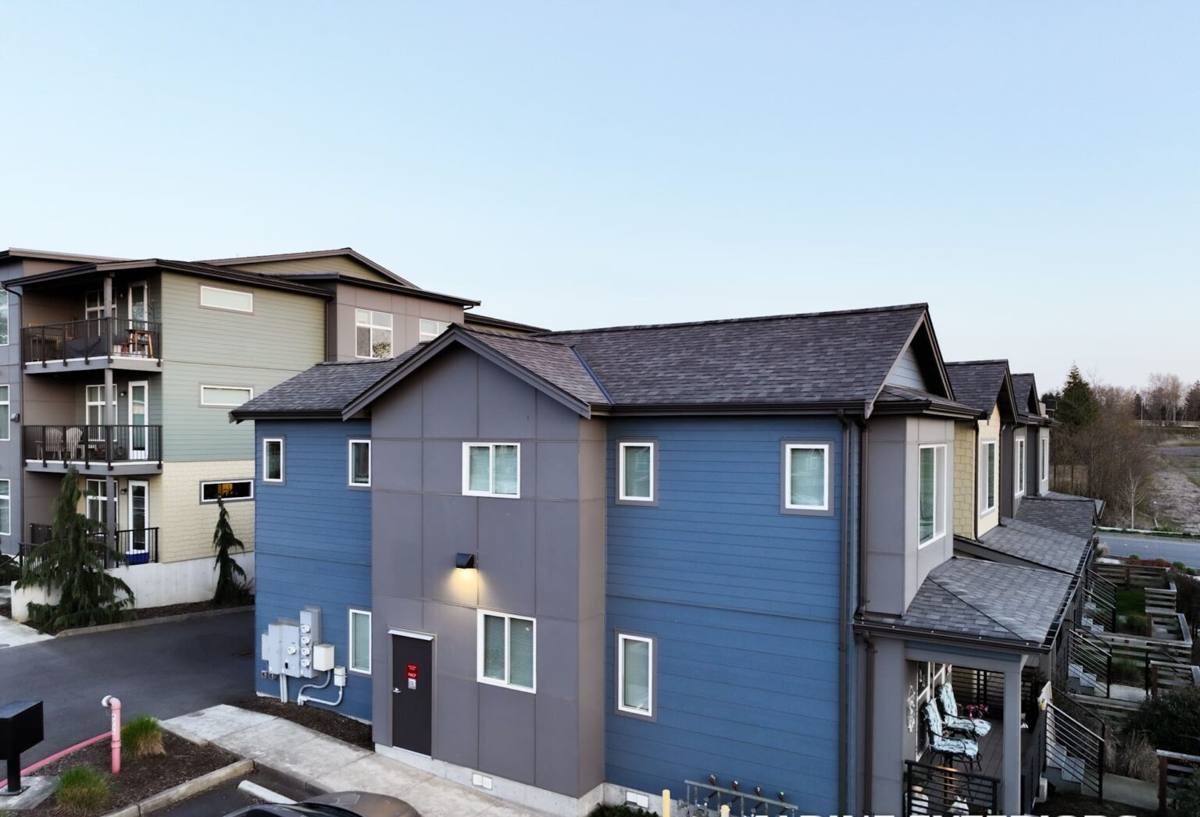
What Sandy Point's Climate Does to a Shingle Roof
Salt Air and Corrosion
Being surrounded by water means Sandy Point roofs deal with more airborne salt than a typical Whatcom County home. Salt speeds up corrosion on exposed metal — nail heads, flashing, vent stacks, and drip edge all take that hit continuously, not just during storms. A roof that looks fine from the ground can have flashing or fasteners quietly corroding underneath, which is exactly the kind of failure that shows up as a leak long before the shingles themselves look worn out.
Driving Rain, Not Just Rainfall
Waterfront wind pushes rain sideways into roof-to-wall transitions, ridge caps, and valley flashing instead of letting it run straight off the slope. That matters because a lot of shingle roof failures aren't shingle failures at all — they're water finding a way in at a transition point that wasn't lapped or sealed for wind-driven rain in the first place. A roof built for a calmer, more sheltered site can perform fine there and still fail here, on the same materials, simply because the water is hitting it from more directions.
A Long Moss Season
Mild temperatures, shade from trees, and near-constant moisture add up to a moss and lichen season that runs most of the year on north-facing or shaded slopes. Moss isn't just a cosmetic issue — it holds moisture directly against the shingle surface and lifts shingle edges as it grows, which accelerates granule loss and shortens the life of an otherwise sound roof. On a lot of Sandy Point homes, the shaded side of the roof will need attention well before the sun-facing side shows any wear at all.
Choosing the Right Asphalt Shingle for This Exposure
Not all asphalt shingles are built the same, and the difference matters more here than it does inland. We look for a few specific things when specifying shingles for a Sandy Point roof:
- Algae-resistant granules: Shingles with copper- or zinc-infused granules resist the moss and algae growth this climate produces far better than standard granules, especially on shaded slopes.
- Wind rating: A shingle rated for higher sustained wind speeds holds its seal better under the gusting, wind-driven rain conditions common on the spit.
- Impact and tear resistance: Heavier-weight architectural shingles resist wind-driven debris and general wear better over a long service life than budget three-tab shingles.
- Sealant strip performance: The adhesive strip that bonds each shingle course needs to activate and hold reliably in a cooler, wetter climate, not just under ideal summer conditions.
We don't push homeowners toward the most expensive shingle on the shelf. We do steer away from bargain-tier shingles with plain granules and light wind ratings on waterfront lots like Sandy Point, because the maintenance and shortened lifespan they trade for a lower sticker price tends to cost more over time, not less.
What a Correct Installation Actually Involves
An asphalt shingle roof is a system, not a single product, and the parts underneath the shingles determine whether the roof performs the way it's supposed to in this climate.
Underlayment
A synthetic or self-adhered underlayment gives the roof deck a second line of defense if wind-driven rain ever gets past the shingle layer, which is a real possibility on an exposed site like Sandy Point during a hard blow. We treat this as standard practice on waterfront roofs, not an upgrade.
Flashing at Every Transition
Valleys, chimneys, skylights, vent stacks, and roof-to-wall transitions are where the large majority of roof leaks actually start — not in the open field of shingles. Correct flashing means proper metal, correct lap direction so water sheds downhill at every layer, and fresh sealant where the flashing meets a vertical surface. On a wind-exposed roof like this, we pay particular attention to how flashing is lapped against the direction storms typically come from.
Ventilation
A roof deck that can't breathe traps moisture underneath the shingles, which shortens shingle life from below even when everything above looks fine. Balanced intake and exhaust ventilation lets the attic and roof deck dry out between storms instead of staying damp through a long wet season.
Fastening
Correct nail placement and count matter more in high-wind coastal locations than in sheltered ones. Under-nailed or improperly placed fasteners are one of the most common reasons a shingle roof loses shingles in a windstorm well before its expected lifespan is up.
Repair, Partial Re-Roof, or Full Replacement
Not every roofing issue on Sandy Point calls for a full tear-off. We evaluate a roof honestly before recommending a scope of work.
| Situation | Typical Approach | What We Check |
|---|---|---|
| Isolated leak at a flashing point, shingles otherwise sound | Targeted flashing and shingle repair | Extent of any hidden water damage to the deck below |
| Heavy moss on one slope, other slopes in good shape | Moss removal plus spot shingle replacement | Granule loss and shingle lift under the moss |
| Roof past two-thirds of its expected service life with widespread granule loss | Full re-roof | Overall shingle condition, deck condition, ventilation adequacy |
| Storm damage from wind uplift or debris | Repair or partial replacement depending on spread | Whether underlying deck and underlayment are still sound |
We'd rather tell a homeowner they only need a repair and lose a bigger job than talk someone into a full replacement they don't need yet. A roof that's genuinely near the end of its service life gets an honest recommendation for full replacement, because patching a roof that's structurally at its limit usually just delays a bigger problem.
Signs a Sandy Point Roof Needs Attention
- Moss buildup in valleys or on shaded slopes that keeps returning shortly after cleaning
- Granule accumulation in gutters or at the base of downspouts
- Curling, cupping, or lifted shingle edges, especially on the side facing prevailing wind
- Rust staining or visibly deteriorated metal at flashing points
- Water staining on interior ceilings near exterior walls after a windy storm
- Missing or displaced shingles after high wind events
Any one of these on its own isn't necessarily an emergency, but on a waterfront roof they tend to compound quickly. A small flashing leak left through one more wet season can turn into deck rot that adds real cost to what would otherwise have been a straightforward repair.
Our Process for a Sandy Point Roofing Project
We start with an on-site inspection of the roof, not just a look from the ground. That includes checking the attic side of the deck where possible, since interior signs of moisture often show up before anything is visible from outside. From there we put together a clear, written scope — repair, partial, or full re-roof — along with a timeline before any work begins.
During installation, underlayment, flashing detail, ventilation, and fastening are handled as standard practice, not optional add-ons, because those are the elements that determine whether a shingle roof lasts its full expected life on an exposed site like this or starts leaking within a few wet seasons. We clean up thoroughly at the end of the job, including magnetic sweeps for stray fasteners around the property.
Why a Local Crew Matters for Sandy Point Specifically
A roofing crew that already works this stretch of Whatcom County knows how salt air, sustained wind, and a long moss season behave differently here than they do just a few miles inland. That shows up in small decisions that matter a lot: which shingle grade gets specified, how flashing gets lapped relative to prevailing storm direction, and where extra attention goes on a shaded, moss-prone slope. Those aren't things you can fully judge from a set of photos or a phone estimate — they come from having actually worked roofs on this specific spit of land.
A Simple Checklist Before Hiring for Roof Work on Sandy Point
- Ask what shingle line they'd specify for this property and why, including algae resistance and wind rating
- Confirm current Washington contractor licensing and active liability insurance
- Ask how they detail flashing at valleys and roof-to-wall transitions for wind-driven rain specifically
- Ask whether they've worked on Sandy Point or nearby waterfront properties before
- Get a written scope of work, including underlayment and ventilation details, before signing anything
Maintenance That Actually Extends Roof Life Here
A little regular attention goes a long way on a waterfront asphalt shingle roof. Keeping gutters clear so water isn't backing up under the shingle edge, having moss professionally removed rather than power-washed off (which can strip granules), and getting an inspection after any major windstorm are the three habits that do the most to protect the investment in a new or existing roof. None of this replaces a correctly installed roof system, but it does stretch its service life meaningfully in a climate that doesn't cut a roof any slack.
If you're dealing with an aging shingle roof on Sandy Point, or you want an honest read on whether what you're seeing is a minor repair or the start of something bigger, we're glad to take a look. Reach out below for a free, no-pressure estimate.