 Birch Bay
 Window Replacement Built for Marietta's Marine Climate
Marietta sits close enough to the water that homes here take a different kind of weather beating than houses further inland in Whatcom County. Salt-laden air moves in off the bay, driving rain comes in sideways during winter storms, and the long stretch of damp, low-sun months every year keeps everything outside perpetually wet longer than it dries. Windows are one of the first things to show the wear. A window replacement job done for a Marietta home needs to account for all three of those conditions at once, not just swap out old glass for new.
We work on homes throughout Birch Bay and the surrounding Whatcom County waterfront, and Marietta's exposure is consistently among the tougher spots we see. That's not a reason to avoid the work — it's a reason to do it correctly the first time.
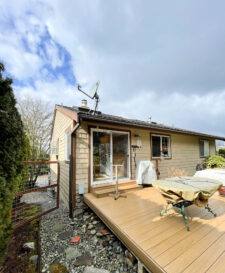
Signs a Marietta Home Needs New Windows
Most homeowners don't wake up one day and decide they need window replacement — it's usually a slow accumulation of small annoyances that eventually add up. In this area, watch for:
- Fogging or a milky haze between the panes of double-pane windows, which means the seal has failed and the insulating gas or dead air space is gone
- Persistent condensation on the inside of the glass, especially in bathrooms and kitchens during the wetter months
- Soft, discolored, or crumbling wood at the sill or frame corners — often the first sign of moisture that's been getting in gradually
- Windows that stick, won't latch fully, or have to be forced open and closed
- A noticeable draft near the frame even when the window is fully latched
- Green or black staining on the frame or sill that keeps coming back no matter how often it's cleaned
- Visible pitting or dulling on aluminum hardware and frames, a common sign of salt exposure over time
Any one of these on its own might just mean a repair. Several at once, especially on a home that's original to its construction or hasn't had windows touched in fifteen-plus years, usually points to replacement being the better investment.
What the Local Climate Actually Does to Windows
Salt Air and Hardware Corrosion
Airborne salt from the bay settles on everything, including window frames, hinges, and latch hardware. Over years, this accelerates corrosion on lower-grade metal components and can cause pitting on aluminum finishes that isn't just cosmetic — it eventually affects how well a window seals and operates. Hardware and cladding materials matter more here than they would on a similar home twenty miles inland.
Driving Rain and Wind-Driven Water Intrusion
Birch Bay storms don't always drop rain straight down. Wind off the water pushes rain sideways and up under sills and trim, which means flashing details and sealant work around a window opening carry more of the waterproofing burden than they would in a calmer climate. A window that would perform fine in a sheltered inland lot can leak here if it isn't flashed correctly.
Moss Season and Prolonged Dampness
The long stretch of gray, wet months in this part of Whatcom County means wood trim, sills, and any organic buildup around a window stay damp for extended periods. That prolonged moisture is what allows moss and mildew to take hold on horizontal surfaces and in corners, and it's also what accelerates wood rot once a seal or a paint line has failed. Materials and details that shed water quickly and dry out fast hold up better here than materials that just resist water in a lab test.
What a Correct Window Replacement Job Involves
Window replacement is often sold as a simple swap, but the parts that determine whether a window lasts fifteen years or thirty happen before the new window ever goes in. A correct job includes:
- Removing the old window and fully inspecting the rough opening for hidden rot, soft framing, or prior water damage before anything new goes in
- Repairing or replacing any damaged framing rather than installing over it
- Installing proper flashing at the sill and head so water is directed out and away from the wall assembly, not trapped behind the new window
- Integrating the window flashing correctly with the home's existing house wrap or weather-resistive barrier, lapped in the right order so water sheds downward and outward
- Using sealants and backer rod appropriate for exterior, marine-adjacent exposure — not a generic caulk that will chalk and crack within a couple of seasons
- Shimming and fastening the unit square and true so it operates smoothly and seals evenly for its full lifespan
- Insulating the gap between the window frame and rough opening properly, without over-packing it in a way that bows the frame
- Finishing interior and exterior trim so the whole assembly looks and performs like it belongs there
Skipping any one of these steps is usually what's behind a "new" window that still leaks or drafts within a year or two.
Choosing the Right Window Material for This Location
Frame material matters more in a marine-influenced climate than it does in a lot of the country. Here's how the common options generally compare for a Marietta home:
| Frame Material | Salt Air / Moisture Behavior | Maintenance | Typical Cost Position |
|---|---|---|---|
| Vinyl | Does not corrode or rot; performs consistently in salt air | Low — occasional cleaning | Most affordable |
| Fiberglass | Very stable in temperature swings and moisture; strong long-term performer near water | Low | Mid to upper range |
| Wood-clad | Attractive interior wood look, but the exterior cladding and any exposed wood joints need careful detailing and upkeep in this climate | Higher — periodic inspection and finish maintenance | Upper range |
| Bare aluminum | Prone to pitting and corrosion from salt air over time unless specifically coated for coastal use | Moderate to high | Varies |
We don't push one material on every home. Vinyl and fiberglass both hold up well in this environment and cover most budgets; wood-clad can be the right call for a homeowner who wants that look and is willing to keep up with the maintenance it asks for. Where we're more cautious is with uncoated aluminum framing directly exposed to bay-driven salt air — not because the material is bad in general, but because it asks for a level of upkeep that doesn't fit most homeowners' expectations for a "replace it and forget it" project.
Glass Package Considerations
Dual-pane glass with a low-E coating and an argon gas fill is the standard for this region now, and for good reason — it cuts down on condensation, keeps heating costs more reasonable through the winter, and reduces the interior fogging that older single-pane or aging dual-pane windows are prone to. For homes taking direct wind and rain off the bay, we also pay close attention to the glazing and seal specifications a manufacturer rates for coastal exposure, since not every standard residential window line is built with that in mind.
Our Process for a Marietta Window Replacement
- On-site assessment — We look at each window opening individually, not just the home as a whole, since exposure can vary a lot from the water-facing side of a house to the sheltered side.
- Measurement and product selection — We measure precisely and walk through frame material, glass package, and finish options based on that specific home's exposure and the homeowner's budget.
- Opening inspection at removal — Old windows come out carefully so we can check the framing underneath before anything new goes in.
- Installation — Flashing, sealant, shimming, and insulation are done to a standard suited for wind-driven rain, not just a baseline install.
- Trim and finish work — Interior and exterior trim is completed and sealed so the whole opening is weathertight, not just the window unit itself.
- Walkthrough and cleanup — We confirm every window operates correctly and leave the work area clean before we consider the job done.
Cost Factors for Window Replacement in Marietta
There's no single price that applies to every home, but the factors that typically move the number up or down are consistent:
| Factor | How It Affects Cost |
|---|---|
| Number and size of windows | More openings and larger units increase material and labor cost |
| Frame material chosen | Vinyl is generally the most budget-friendly; fiberglass and wood-clad run higher |
| Glass package | Upgraded low-E coatings, gas fills, or coastal-rated glazing add cost but improve long-term performance |
| Condition of existing framing | Hidden rot or water damage found during removal adds repair work before installation can proceed |
| Access and home height | Second-story or hard-to-reach openings take more time and equipment |
| Trim and finish scope | Full interior and exterior trim replacement costs more than reusing sound existing trim |
We give straightforward, itemized estimates so homeowners can see exactly what's driving the number rather than a flat lump sum.
Why a Crew That Already Works in Marietta Makes a Difference
A contractor who mostly works inland doesn't always think about salt air corrosion on hardware, or how far sideways rain can travel under a poorly flashed sill during a real bay storm. A crew that already does regular work in Marietta and the rest of Birch Bay has usually already seen what fails here and why, which shapes decisions about flashing details, sealant choice, and which frame materials to steer a homeowner toward or away from. That local pattern recognition is hard to replace with a generic install checklist written for a different climate.
It also matters for the practical side of the job — knowing typical soil, access, and weather-window realities for scheduling work in this part of Whatcom County so a project isn't left half-open when a storm rolls in.
Keeping New Windows Performing Long-Term in This Climate
New windows still need a small amount of ongoing attention in a marine environment to get their full lifespan. A simple seasonal routine goes a long way:
- Rinse frames and glass periodically to clear salt residue before it builds up
- Check and clean weep holes on the exterior sill so water can drain out rather than pool
- Inspect exterior caulking and sealant lines once a year for cracking or gaps
- Remove moss or algae buildup on sills and trim promptly rather than letting it sit through the wet season
- Operate each window a few times through the year so hardware doesn't seize from disuse
- Touch up any exterior paint or finish nicks before moisture can get behind them
None of this is a heavy burden, but skipping it is how a well-installed window still ends up with premature problems in a climate like this one.
Get a Straightforward Estimate for Your Marietta Home
Every home facing the bay handles wind, rain, and salt air a little differently, and the right window replacement plan should reflect that rather than a one-size-fits-all package. If you're noticing drafts, fogged glass, or sticking windows on your Marietta property, we're glad to come take a look, walk through what we find, and put together a free, no-pressure estimate using the form below.