 Birch Bay
 Decking Built for Birch Bay Village's Coastline, Not a Generic Climate
Birch Bay Village sits close enough to the water that every deck here is doing double duty: it's an outdoor living space and it's a structure exposed to salt-laden air, wind-driven rain, and long stretches of gray, damp weather that don't let up until late spring. A deck that would hold up fine in a dry inland town can start showing problems within a couple of seasons out here. That's not a scare tactic — it's just what salt air, moisture, and low winter sun do to wood fiber, fasteners, and finishes when they never fully get a break to dry out.
This page is specifically about composite decking installed in Birch Bay Village, Whatcom County. We're not going to give you the same generic decking pitch you'd get on a page written for Phoenix or Denver. The material choices, the substructure details, and the maintenance routine all need to account for what this specific stretch of Washington coastline throws at a deck.
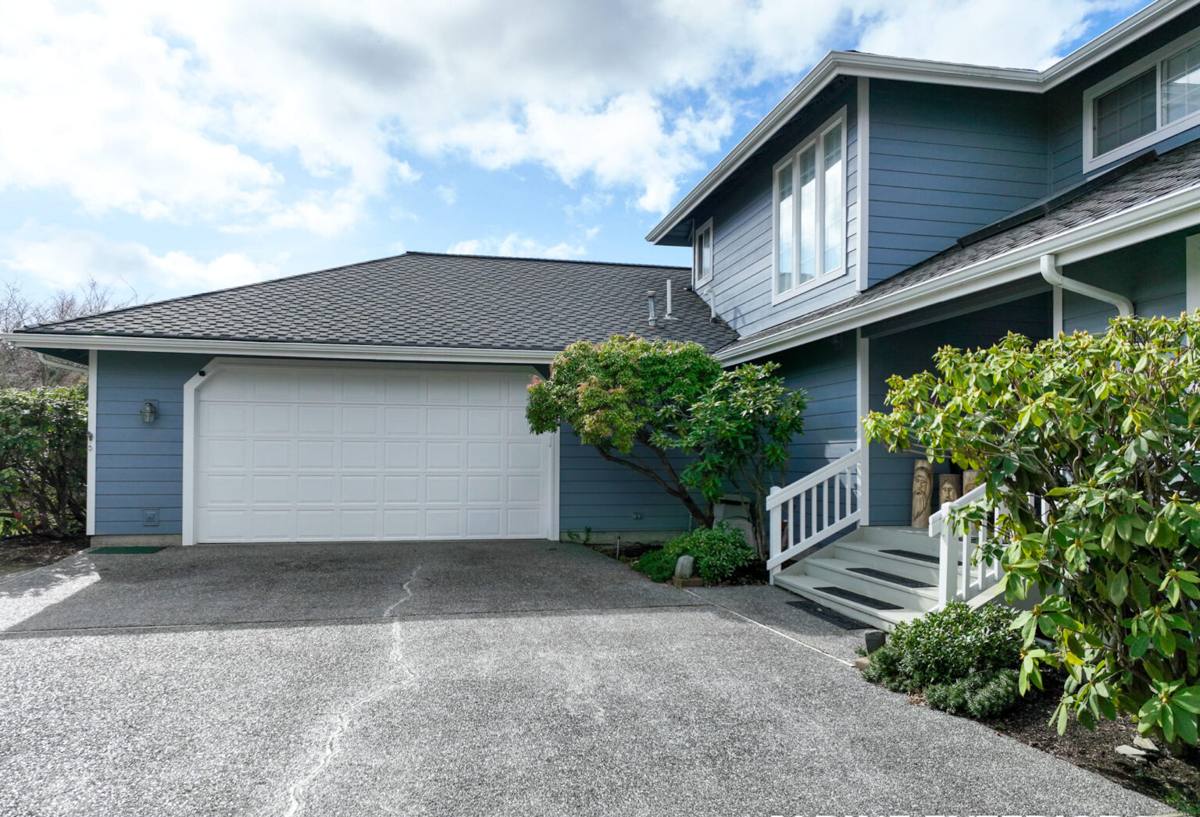
What Salt Air, Rain, and Moss Actually Do to a Deck Here
Three things separate Birch Bay Village from a typical inland build site:
- Salt air: Airborne salt from Semiahmoo Bay and the Strait of Georgia settles on every exposed surface. It accelerates corrosion on metal fasteners, hinges, and railing hardware, and it can leave a dull film on decking that isn't rinsed regularly.
- Driving rain: Storms here often come in sideways off the water, which means rain gets under railings, into end grain, and behind fascia boards that a straight-down rain would never reach.
- A long moss season: Shade, moisture, and mild temperatures from fall through spring are exactly what moss wants. Any deck surface that stays damp and shaded — under trees, on the north side of a house, or in a spot with poor airflow — will grow moss if it isn't built and maintained with that in mind.
None of this is unique to Birch Bay Village specifically, but it's more pronounced here than it is even a few miles inland, simply because of proximity to the water and the tree cover common to Whatcom County properties.
Why Composite Makes Sense for This Environment
Composite decking isn't magic — it's a manufactured product with its own trade-offs — but it solves the specific problems wood struggles with in a marine climate. Wood decking relies on a film finish (stain or sealer) to keep moisture out, and that finish breaks down faster under salt exposure and constant damp than it would in a dry climate. Once the finish fails, the wood underneath starts absorbing water, and that's when you get cupping, splintering, and rot at fastener holes.
Composite boards are made from a blend of wood fiber and plastic (or, in some product lines, entirely synthetic materials), so they don't absorb water the way solid wood does and they don't need a film finish to stay protected. That matters a lot in a spot where the boards are getting soaked from rain, humid air, and salt spray for most of the year.
Capped vs. Uncapped Composite
Not all composite is built the same, and this distinction matters more here than in a dry climate:
- Capped composite has a polymer shell wrapped around a wood-plastic composite core. The cap resists moisture absorption, staining, and fading far better than the core material would on its own.
- Uncapped composite is the same core material without that protective shell. It costs less up front but is more prone to moisture uptake and surface wear over time — a real consideration on a property that sees this much rain and humidity.
For Birch Bay Village installs, we default to fully capped boards (cap on the top, sides, and often the bottom groove) because the extra moisture resistance earns its keep in this climate.
What a Correct Installation Actually Involves
The decking boards get most of the attention, but the substructure underneath is what determines whether a deck lasts 10 years or 25 — and it's where a rushed or inexperienced install shows up first in a wet climate.
Ledger Attachment and Flashing
Where the deck attaches to the house, proper flashing is what keeps water from working its way behind siding and into the wall assembly. This is one of the most common places we find problems on older decks in this area — a ledger board bolted to the house with no flashing, or flashing that was installed but not lapped correctly with the house's water-resistive barrier. In a climate with sideways rain, this detail isn't optional.
Joist Spacing and Airflow
Composite boards generally need tighter joist spacing than solid wood (manufacturers publish specific span tables, and spacing often tightens further for diagonal board patterns or stairs). Just as important in this climate is making sure there's enough airflow underneath the deck so the substructure can actually dry out between rain events, rather than sitting damp against the soil or a crawlspace.
Fasteners and Hardware
Salt air is hard on standard fasteners. We use stainless steel or coated fasteners rated for corrosion resistance, and hidden fastener clip systems where the board profile supports it — both because it gives a cleaner look and because it means fewer exposed screw heads for salt and moisture to attack over time.
Hidden Fasteners vs. Face-Screwed Boards
Most composite board lines are designed for a hidden fastener system: a grooved edge that accepts a clip, so the top face of the board has no visible screws. Face-screwing is sometimes still used on picture-frame borders, stair treads, or with certain board profiles that don't have a grooved edge.
In a salt-air environment, hidden fasteners have a practical advantage beyond looks: fewer exposed metal fastener heads means fewer spots for corrosion staining to start. When a board profile does require face screws, we use color-matched, corrosion-resistant fasteners and keep them to the spots where they're structurally necessary.
Our Process, Start to Finish
- On-site assessment: We look at the existing structure (if there is one), grade and drainage around the deck footprint, sun/shade exposure, and how the deck ties into the house.
- Material selection: We walk you through board tier options and color choices based on your budget and how much sun or shade the deck actually gets — shaded, moisture-prone spots get flagged for the maintenance realities they'll come with regardless of material.
- Permitting: Deck projects in Whatcom County typically require a permit depending on height, size, and attachment to the structure. We handle that process rather than leaving it on you.
- Demo and substructure: Removal of any existing deck, footing and framing work, ledger flashing, and joist layout sized correctly for the composite product chosen.
- Decking, fascia, and railing installation: Board installation with hidden fasteners where possible, fascia to hide the substructure edge, and railing that meets current code for height and baluster spacing.
- Final walkthrough: We go over basic care with you before we consider the job done — what to expect from the material in this climate and how to keep it looking right.
Cost Factors for a Birch Bay Village Composite Deck
Every deck is different, but these are the variables that move the price most on a composite install in this area:
| Factor | Why It Changes the Price | Typical Impact |
|---|---|---|
| Board tier (uncapped vs. fully capped) | Capped boards cost more per foot but resist moisture and fading longer | Moderate |
| Substructure material | Pressure-treated wood framing vs. composite or aluminum joists changes both cost and long-term maintenance | Moderate to significant |
| Height and access | A deck with stairs, multiple levels, or difficult site access takes more labor and material | Significant |
| Railing style | Composite or aluminum railing systems cost more than basic wood but hold up better against salt air | Moderate |
| Demo and haul-away | Removing an old deck (especially one with rot) adds labor before the new build even starts | Variable |
| Ledger and flashing repair | If the existing house band board or siding has moisture damage, that gets addressed before decking goes on | Variable |
We'll walk through these line by line during your estimate so you know what's driving the number, not just a total.
Maintenance for Salt Air and Moss Season
Composite decking is genuinely lower-maintenance than wood, but "low-maintenance" doesn't mean "no maintenance" — especially this close to the water. A little seasonal upkeep goes a long way toward keeping the surface clean and the substructure sound:
- Rinse the deck surface periodically to clear salt residue, especially after storms with onshore wind.
- Sweep off leaves, needles, and organic debris promptly — left in place, they hold moisture and give moss a place to start.
- Keep gutters and downspouts near the deck clear so runoff isn't dumping directly onto or under the deck surface.
- Scrub any shaded, damp areas with a soft brush and a mild cleaner made for composite decking if you see early moss or algae growth — a stiff or abrasive brush can damage the board's cap.
- Check railing posts, stair stringers, and ledger flashing once a year for any sign of water intrusion or fastener corrosion.
- Trim back overhanging branches where you can, to cut down on shade and debris buildup on the deck surface.
Why a Crew That Already Works Birch Bay Village Matters
A lot of what separates a deck that ages well from one that doesn't isn't the brand of composite on top — it's whether the crew building it actually accounted for this coastline's conditions in the substructure, the flashing, and the fastener choices. A contractor who mostly builds inland may not think twice about ledger flashing detail or corrosion-rated hardware, because it simply hasn't bitten them before. Out here, it will eventually.
Working regularly in Birch Bay Village and the surrounding Whatcom County area also means we're familiar with the local permitting process, typical site conditions (slope, drainage, tree cover), and the kind of wind and rain exposure a given lot actually sees versus what it looks like on paper. That local familiarity shows up in decisions you might not notice until years later — like why we flashed a ledger a certain way, or why we specified a particular fastener over a cheaper alternative.
Get an Estimate
If you're planning a new composite deck or replacing an aging one in Birch Bay Village, we're happy to come take a look, walk the site with you, and put together a straightforward estimate — no pressure, no upsell script. Use the form below to get started.