 Birch Bay
 Siding in Cherry Point Has to Work Harder Than Siding Inland
Cherry Point sits right on the water in northern Whatcom County, and that location comes with a specific set of siding problems that a house ten miles inland simply doesn't face. Salt-laden air moves off the Strait of Georgia and settles on every exterior surface, wind-driven rain gets forced sideways into seams and laps that would stay dry in a calmer climate, and the long gray stretch of fall through spring keeps siding damp for weeks at a time. That combination is exactly what causes premature paint failure, swollen trim, and moss colonization on lower-quality siding products.
None of this means Cherry Point homes need exotic materials or unusual construction. It means the basics — moisture management, product selection, and fastening — have to be done correctly and without shortcuts, because this climate finds every weak point in an installation faster than most.
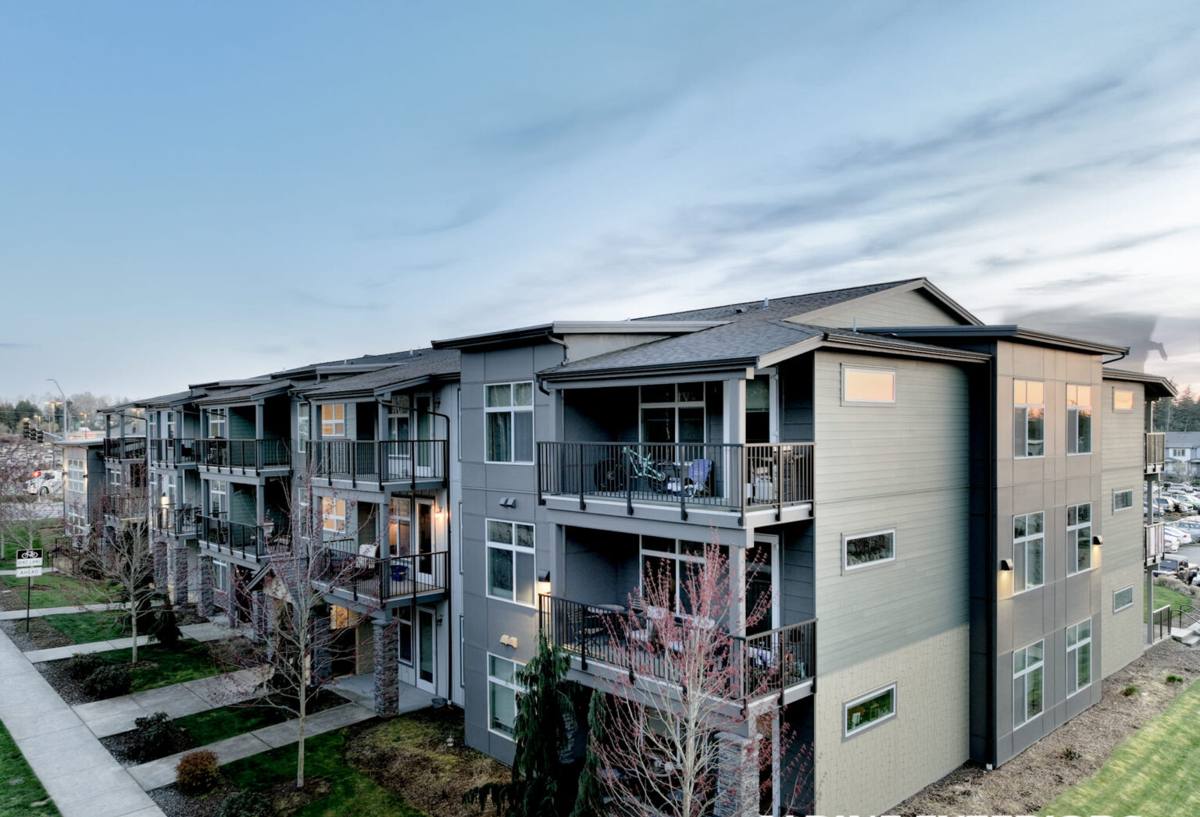
What Salt Air and Driving Rain Actually Do to Siding
Salt Air
Airborne salt is corrosive to exposed metal fasteners, flashing, and hardware, and it accelerates the breakdown of lower-grade paints and coatings. Siding that isn't factory-finished with a coating engineered for this kind of exposure will chalk, fade, and peel noticeably faster near the water than it would even a short distance inland.
Driving Rain
Storms coming off the water don't just fall straight down — wind pushes rain up under laps and into any gap in the water-resistive barrier. If house wrap, flashing, and siding overlaps aren't installed to spec, water finds its way behind the cladding, where it can sit against sheathing and framing for days before it has a chance to dry.
Moss Season
Cherry Point's damp season runs long, and any siding surface that stays wet and shaded for extended periods becomes a candidate for moss and mildew growth. This is less about the siding material failing outright and more about ongoing maintenance burden — some products resist this far better than others.
What a Correct Installation Actually Involves
A siding installation that's going to hold up on Cherry Point isn't just nailing panels to a wall. The details that matter most are the ones you can't see once the job is finished:
- A continuous, properly lapped water-resistive barrier behind the siding, with no gaps at seams or penetrations
- Correct head, side, and window/door flashing so water is directed out and away from the wall assembly, not into it
- Proper fastener type, spacing, and depth — over-driven or under-driven fasteners are one of the most common causes of early siding failure
- Correct clearance between the bottom of the siding and the ground, decks, roof lines, and other hard surfaces so splash-back and standing moisture don't sit against the material
- Caulking and sealant only where the manufacturer specifies it — not as a substitute for proper flashing
- Attention to inside and outside corners, which are common failure points if trim isn't installed with the right gaps for drainage and expansion
Skip any one of these steps and you can end up with a siding job that looks fine for a year or two and then starts showing problems — buckling, staining, or rot in the sheathing behind it — right around the time it's expensive to fix.
Why We Install Only James Hardie Fiber Cement in Cherry Point
We don't install vinyl, LP SmartSide, Cemplank, Allura, primed spruce, or cedar. That's a deliberate standard, not a lack of options, and it matters more in a marine climate like Cherry Point's than almost anywhere else.
Vinyl siding can work fine in many climates, but it's a petroleum-based product that expands and contracts significantly with temperature swings, and its seams and laps are more vulnerable to wind-driven rain intrusion than a properly installed fiber cement system. Wood-based products — including engineered wood like LP SmartSide and traditional cedar or primed spruce — depend entirely on an intact factory or field coating to keep moisture out; once that coating is compromised by salt exposure, sun, or a missed maintenance cycle, the substrate itself can begin to swell, delaminate, or rot. In a location where the air itself carries salt and moisture year-round, that's a bigger gamble than we're willing to put on a customer's home.
James Hardie fiber cement is non-combustible, dimensionally stable, and doesn't rely on an organic substrate that can rot from water intrusion. It's manufactured with regional climate zones in mind — Hardie's HZ5 and HZ10 formulations are engineered specifically for wetter, more variable climates like the Pacific Northwest, which includes Cherry Point and the rest of Whatcom County. Combined with a factory-applied ColorPlus finish that's baked on and backed by its own finish warranty, it holds color and resists the salt-air fading and chalking that shortens the useful life of field-painted products.
Our Installation Process
The process we follow doesn't change much from house to house, because the fundamentals of a correct installation don't change — but we adjust the details based on how exposed a given wall is to wind and rain off the water.
- Site and exposure assessment — we look at which elevations take the most direct wind-driven rain and salt exposure, since those walls get the most attention to flashing and sealant detail.
- Removal and substrate inspection — old siding comes off and we check the sheathing and framing underneath for any existing moisture damage before anything new goes up.
- Water-resistive barrier and flashing — a continuous barrier is installed with correct laps, and flashing is integrated at every window, door, and penetration.
- Hardie panel or plank installation — installed to manufacturer fastening specs, with correct clearances maintained at grade, roofing, and trim.
- Trim, corners, and caulking — finished per Hardie's published details so drainage paths stay open and joints are sealed only where specified.
- Final walkthrough — we review the finished job with the homeowner before calling it complete.
Signs Your Current Siding May Already Be Failing
Homes in Cherry Point often show siding wear earlier than homes further inland. Some signs to watch for during your next walk around the exterior:
- Moss or dark green/black staining that keeps returning within a season or two of cleaning
- Soft or spongy spots when you press on siding, especially near the bottom courses or around windows
- Paint that's peeling, bubbling, or chalking heavily rather than just fading evenly
- Visible gaps, warping, or buckling at seams and corners
- Nail heads that have popped or streaked with rust
- Interior signs like peeling paint, musty odor, or soft drywall near exterior walls, which can point to moisture getting behind the siding
What Drives the Cost of a Siding Installation Here
Every home is different, but the same handful of factors tend to move the price up or down on Cherry Point siding jobs:
| Cost Factor | Why It Matters |
|---|---|
| Home size and number of stories | More square footage and taller walls mean more material, more labor, and more staging/scaffolding |
| Condition of existing sheathing | Water-damaged sheathing found during tear-off has to be replaced before new siding goes on |
| Wall exposure to wind and rain | Elevations facing prevailing storms often need extra flashing detail and time |
| Trim, corner, and detail complexity | Homes with more windows, dormers, and architectural detail take longer to flash and finish correctly |
| Siding profile chosen | Lap siding, panel systems, and shingle-style Hardie products vary in material and labor cost |
| Access and staging | Tight lots, slopes, or limited driveway access can add setup time and equipment cost |
We walk every one of these factors with the homeowner before we give a number, so there aren't surprises once the crew shows up.
Maintenance in a Marine Climate
James Hardie siding is low-maintenance compared to the alternatives, but "low-maintenance" doesn't mean "no maintenance" anywhere on Cherry Point. A yearly rinse to knock off salt residue and prevent moss from getting established, a quick visual check of caulking at trim joints, and prompt attention to any landscaping that's grown up against the siding will keep a correctly installed Hardie system performing for decades. Compare that to the yearly scraping, priming, and repainting cycle that field-finished wood products often need in this climate, and the maintenance gap becomes obvious fast.
Why a Crew That Already Works Cherry Point Matters
Siding installation isn't just a product — it's a set of judgment calls made on-site, elevation by elevation, based on how a specific house sits relative to wind, rain, and sun exposure. A crew that's worked coastal Whatcom County homes before already knows which walls typically take the worst weather, where moss tends to establish first, and how much extra flashing attention a water-facing corner needs versus a sheltered one. That local pattern recognition is the difference between a siding job that just meets code and one that's actually built for the conditions it will face for the next several decades.
If you're planning a siding project in Cherry Point or elsewhere around Birch Bay, we're happy to walk your home, look at how it's holding up against the climate, and put together a free, no-pressure estimate for a correctly installed James Hardie system. Use the form below to get started.