 Birch Bay
 Decks Built for Custer's Coastline, Not a Catalog Photo
Custer sits close enough to Birch Bay and the Strait of Georgia that the same weather pattern hits both: salty marine air rolling in off the water, long stretches of driving rain through fall and winter, and a moss season that seems to start earlier every year. A deck built the way it might be built inland — standard lumber, generic fasteners, whatever railing system was on sale — does not hold up the same way out here. We build decks in Custer with that reality in mind from the first framing member to the last cap rail.
This page is specifically about custom deck construction and replacement for homes in and around Custer. It is not a general overview of decking products. It is what we've learned building and repairing decks in this part of Whatcom County, and what we think a homeowner here should know before hiring anyone for the job.
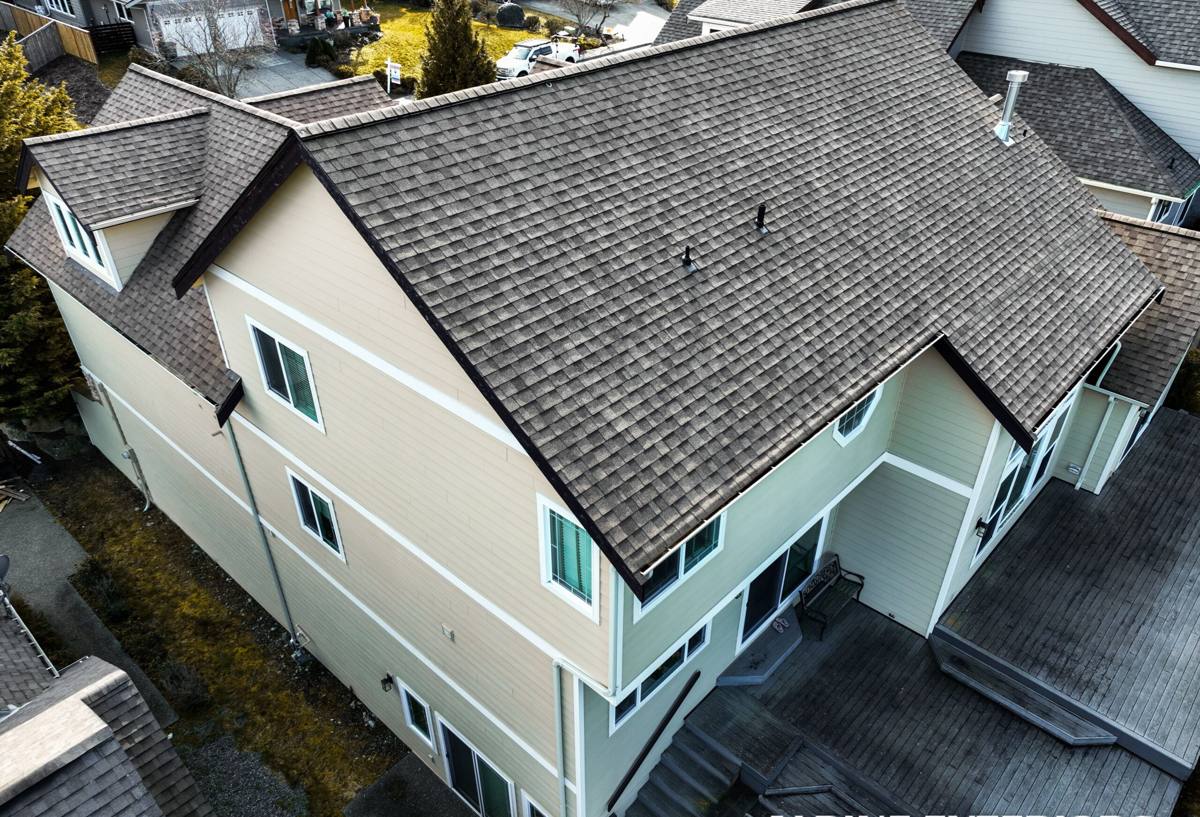
What Salt Air, Rain, and Moss Actually Do to a Deck
Each of these factors attacks a deck differently, and a correct build accounts for all three at once, not just one.
Salt Air
Airborne salt from the water accelerates corrosion on anything metal — fasteners, joist hangers, railing brackets, even the coating on some screws. A fastener rated for general exterior use inland can start showing rust streaks within a couple of seasons this close to the water. Once a fastener corrodes, it loses holding strength long before it looks obviously bad, which is part of why so many deck failures start invisibly, underneath the boards.
Driving Rain
Rain that comes in sideways during a winter storm doesn't just fall on a deck — it gets driven into seams, ledger connections, and any gap where boards meet the house. Water that gets trapped against the house framing or pools on a ledger board is one of the most common causes of hidden rot we find when we tear into an older deck. It's rarely the decking surface that fails first; it's what's underneath and behind it.
Moss and Sustained Dampness
Whatcom County's long wet season means shaded or north-facing decks can stay damp for weeks at a time. Moss and algae take hold in that dampness, and beyond making the surface slick and unsafe, moss holds moisture against the wood (or against the surface layer of composite) far longer than open air would. On real wood decking, that sustained dampness is a direct path to soft, punky boards.
Choosing the Right Decking Material for This Area
There is no single "best" decking material — there's a best fit for how the deck is used, how much sun and shade it gets, and how much upkeep the homeowner actually wants to do. Here's how the common options compare for a Custer property.
| Material | How It Handles This Climate | Maintenance | Typical Lifespan Here |
|---|---|---|---|
| Pressure-treated fir/hem-fir | Affordable, but needs consistent sealing to resist the wet-dry cycle and moss growth in shaded areas | Annual cleaning, resealing every 1-2 years | 10-15 years with upkeep |
| Cedar | Naturally rot- and insect-resistant, ages to a silver-gray patina if left unsealed; still needs cleaning to keep moss off | Cleaning and occasional oiling if color retention matters | 15-20 years |
| Composite decking | Doesn't absorb water like wood, resists rot, but the surface still needs cleaning where moss and algae can take hold in shade | Periodic washing, no sealing/staining | 25-30+ years |
| PVC/capped polymer | Fully sealed surface, best moisture resistance of the group, holds up well in salt air | Occasional washing | 25-30+ years |
We don't push one product over another as a rule — we walk the site, talk about how much sun or shade the deck gets, and give a straight answer about what will actually perform well versus what will look good for a season and then become a maintenance headache.
What's Underneath Matters More Than the Decking Itself
A deck surface is the part everyone sees, but the framing underneath is what determines whether the deck is still safe and solid in fifteen years. In a climate like this, we pay particular attention to a few things that are easy to skip and expensive to fix later:
- Ledger board flashing — the connection where the deck attaches to the house is the single most common source of hidden water damage. Proper flashing keeps water from being driven behind the ledger and into the house framing.
- Joist protection — capping or wrapping joists helps them shed water instead of absorbing it at the cut ends and top edges, which is where rot typically starts.
- Corrosion-resistant hardware — joist hangers, structural screws, and post bases rated for coastal exposure, not just general exterior use.
- Airflow underneath — decks built low to the ground or over poorly graded soil trap moisture and stay damp far longer after a rain. Proper height and drainage planning matters as much as the framing itself.
- Post footings — set below frost depth and sized for the soil conditions on the lot, not just poured to a standard depth regardless of what's actually there.
Fasteners and Connectors, Specifically
It's worth calling out fasteners on their own because they're the detail most likely to be shortcut. Standard exterior-rated screws and joist hangers are built for general use across the country — they are not necessarily rated for the level of salt exposure a coastal property near Birch Bay sees year-round. We use hardware rated for coastal or marine-grade exposure on the connections that matter structurally: ledger bolts, joist hangers, post bases, and railing anchors. It costs more upfront and it's invisible once the deck is built, which is exactly why it's an easy thing for a lower bidder to cut corners on.
Railings, Stairs, and Code Requirements
Any deck built to a meaningful height needs railings and stair details that meet current building code — guard height, baluster spacing, stair rise and run, and graspable handrails where required. Beyond the code minimums, railing choice affects how much upkeep the deck needs going forward. Wood railings need the same sealing and inspection as wood decking. Metal railing systems need to be checked for corrosion resistance for the same salt-air reasons as fasteners. Cable and glass systems look clean but need hardware that's rated for the exposure, or the connectors become a maintenance problem within a few years.
We pull permits and build to current code as a standard part of the job — not an upsell. A deck that isn't permitted and inspected can become a real problem at resale, and more importantly, it can mean the structure wasn't checked by anyone other than the builder.
How Our Process Works
1. On-Site Assessment
We look at the site itself — sun and shade exposure, drainage, how the deck ties into the house, and what's actually holding up an existing structure if this is a replacement rather than new construction.
2. Material and Design Conversation
We talk through decking material, railing style, and layout based on how the space will actually be used, not just what looks good in a brochure. This is also where we're honest about trade-offs — a lower-maintenance material might cost more upfront, and a traditional wood look comes with an ongoing sealing commitment.
3. Permitting
We handle the permit process for the scope of work that requires it, so the deck is built and inspected to current code.
4. Demolition (If Replacing an Existing Deck)
Old decking, railings, and any compromised framing come out. This is often when we find the hidden ledger or joist damage that wasn't visible from the surface — and we'll show the homeowner what we find before proceeding.
5. Framing and Structural Work
Ledger flashing, joist layout, footings, and hardware — the part of the job that determines how long the deck actually lasts, done to the standards described above.
6. Decking, Railing, and Finish Work
Surface installation, railing systems, stairs, and any trim or fascia detailing to finish the look.
7. Final Walkthrough
We walk the finished deck with the homeowner, cover basic care for whatever material was installed, and answer questions before calling the job done.
Deck Maintenance Checklist for Custer Homeowners
Whatever material is used, a little seasonal attention goes a long way in this climate. A basic yearly routine:
- Sweep debris and standing organic matter (leaves, needles) off the deck regularly, especially in fall
- Wash the surface at least once a year to remove moss, algae, and pollen buildup before it takes hold
- Check railings and stair connections for looseness or corrosion at the hardware
- Inspect the ledger board area where the deck meets the house for staining or soft spots
- Reseal or restain wood decking on the manufacturer's recommended cycle — don't wait until it looks obviously weathered
- Confirm gaps between boards stay clear so water can drain through rather than pooling
- Look underneath the deck once a year for standing water, blocked drainage, or signs of moisture at the framing
Why a Crew That Already Works Custer Makes a Difference
A contractor who works this specific stretch of Whatcom County coastline builds differently than one who mostly works drier, inland conditions and treats a Custer job as an exception. We already know which hardware holds up to the salt exposure here, which materials handle a shaded, moss-prone yard versus a sun-exposed one, and how local permitting works for deck projects in the county. That's not a sales pitch — it's the difference between a deck that needs real repair work in eight years and one that's still solid in twenty-five.
We also don't have to relearn the climate on your project. The flashing details, fastener choices, and drainage planning described throughout this page aren't theoretical — they're the standard we build to on every deck in this area, because we've seen what happens when they're skipped.
Get a Straight Answer on Your Deck Project
Whether you're planning a new custom deck or need an honest look at whether an existing one is worth repairing or replacing, we're glad to come take a look. We offer free, no-pressure estimates for Custer and the surrounding Birch Bay area — use the form below to get started.