 Birch Bay
 Storm Damage Roof Repair Built for Ferndale's Weather
Ferndale sits close enough to the water that its roofs take a different kind of beating than homes further inland. Wind off the Salish Sea drives rain sideways into ridge caps and flashing. Salt-laden air works on exposed fasteners and metal edges year-round. And the long stretch of gray, damp months between fall and spring gives moss and algae months to gain a foothold on anything with north-facing shade. A roof here doesn't usually fail all at once — it fails in the spots where these three things overlap, and that's exactly where storm damage tends to show up first.
This page is about one job, done right, in one place: storm damage roof repair for homes in and around Ferndale. Not a full re-roof pitch, not a generic checklist — what actually needs to happen after wind or driving rain has gotten into your roof system, and how to tell a proper repair from a patch job that'll be back on your to-do list in a year.
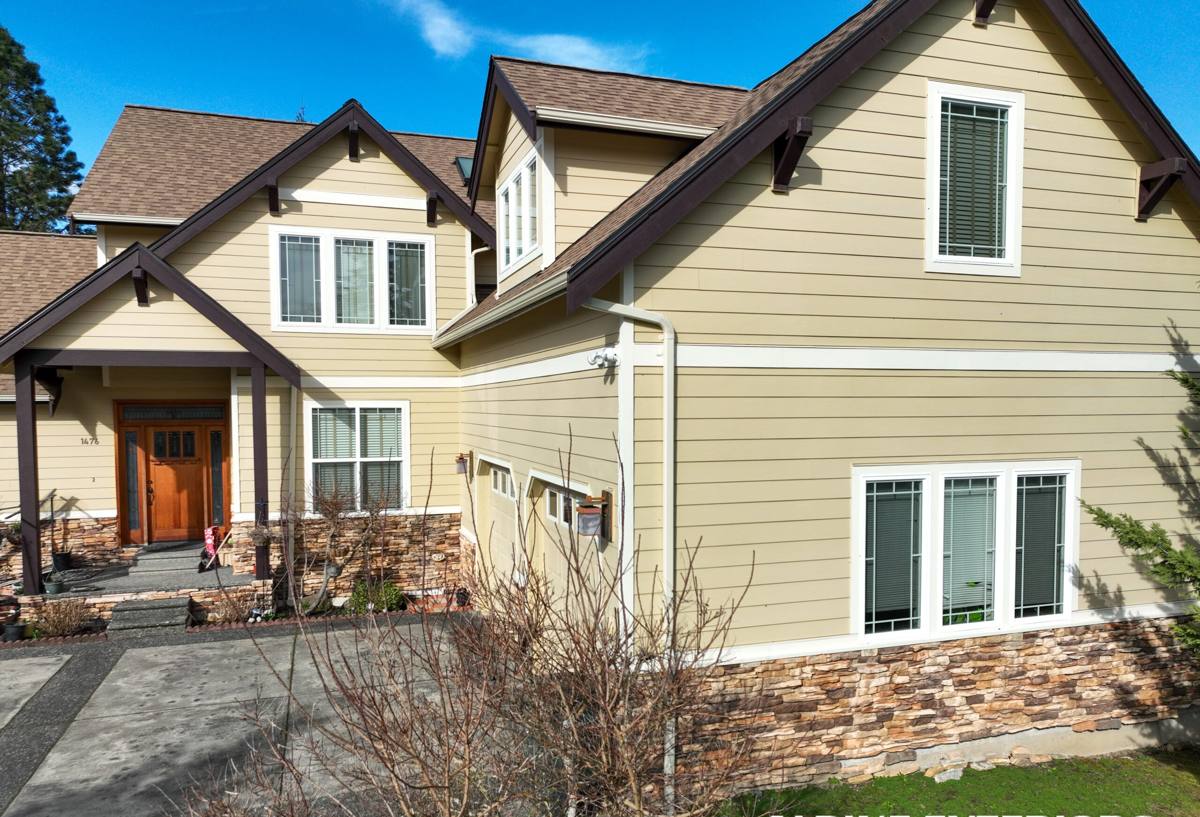
How Whatcom County Weather Wears Down a Roof
Wind-Driven Rain
Most storm damage in this part of Whatcom County isn't dramatic — it's rain finding a way in sideways during a windy front. Shingles that look intact from the ground can have lifted tabs, cracked sealant strips, or nail heads that have backed out just enough to let water track underneath. Once that starts, the damage happens under the shingle where you can't see it, in the decking and underlayment, long before a stain shows up on a ceiling inside.
Salt Air and Corrosion
Being close to the water means metal components — flashing, drip edge, nail heads, vent caps — corrode faster here than they would twenty miles inland. Corroded flashing doesn't leak all at once; it thins out at the edges and along fold lines until a storm finally pushes water past it. Repairs that reuse compromised flashing instead of replacing it tend to fail again within a season or two.
Moss and Prolonged Dampness
Ferndale gets the same long, mild, wet stretch the rest of Whatcom County does, and shaded or north-facing slopes rarely dry out completely between rains. Moss doesn't just look bad — its root structure lifts shingle edges and holds moisture against the roof deck, which is often the hidden reason a storm-damaged section rots faster than it should once water gets in.
What Actually Counts as Storm Damage
Not every roof problem after a storm is storm damage in the insurance or warranty sense, and not every legitimate repair need comes from a single dramatic event. In practice, what we're usually called out for after weather events in this area includes:
- Shingles lifted, creased, or torn loose by sustained wind gusts
- Water intrusion at ridge caps, hips, and valleys where wind-driven rain gets pushed uphill against the shingle lay
- Flashing pulled loose or bent around chimneys, skylights, and sidewall intersections
- Debris impact from tree limbs, punching through shingles or cracking decking
- Gutter and downspout damage that redirects water back under the roof edge instead of away from it
- Accelerated failure of an already-aging roof, where the storm was the final push rather than the sole cause
That last category matters. A roof that was already thin on granules or had moss undermining the shingles will show storm damage sooner and worse than a roof in good condition. Part of an honest assessment is telling you which of these you're actually dealing with.
What a Correct Repair Actually Involves
A storm repair that holds up through the next few winters isn't just swapping out the shingles that are visibly missing. It generally means:
- Checking the decking underneath affected shingles for soft spots, delamination, or rot before anything new goes down
- Replacing damaged underlayment, not just laying new shingles over compromised felt or synthetic underlayment
- Matching shingle type, color, and — where possible — age/wear so a repair doesn't stand out as an obvious patch
- Re-sealing or replacing flashing at any penetration near the repair area, since corroded flashing is often the real point of failure
- Re-nailing to current wind-rating specs, not just tacking shingles back down with the original nail pattern
- Clearing moss and debris from the surrounding area so the repair isn't undermined again within a season
Skip any of these steps and you end up with a repair that looks fine from the driveway but fails at the next windstorm — often in the exact same spot.
Our Process for Ferndale Storm Repairs
1. Inspection First, Not a Sales Pitch
We start on the roof, not with a quote. That means checking the full slope the damage is on, not just the obvious spot, since wind and water damage often extend past where it's visible from the ground.
2. Clear Documentation
If you're filing an insurance claim, we document what we find with enough detail — location, extent, likely cause — that it holds up in the claims process. We work from what we can verify on your roof, not a generic damage report.
3. Repair Scoped to What's Actually Needed
We'll tell you plainly if a section needs to be replaced versus the whole roof, and why. If a repair is the right call, we do the repair. We don't upsell a full re-roof when a properly done section repair will hold.
4. Cleanup and a Final Walkthrough
Debris, old materials, and displaced nails get cleared from the yard and gutters — a rushed storm repair that leaves debris behind is a common source of clogged downspouts and secondary water damage later.
Repair or Replace? What Actually Tips the Decision
| Factor | Repair usually makes sense | Replacement is worth considering |
|---|---|---|
| Roof age | Under 12-15 years, otherwise sound | Nearing or past expected lifespan for the material |
| Extent of damage | Isolated to one slope or section | Spread across multiple slopes or recurring in different spots |
| Decking condition | Solid, no rot found on inspection | Soft spots or rot found in more than one area |
| Shingle match | Close match available, discontinuation not a concern | Original shingle discontinued or heavily weathered elsewhere |
| Moss/algae history | Minor, manageable with cleaning | Long-term moss damage already undermining multiple areas |
None of these factors decide it alone — it's the combination. A 20-year-old roof with isolated wind damage might still be a reasonable repair if the rest of the roof is sound; a 6-year-old roof with rot in the decking from a long-standing leak may need more than a patch regardless of age.
Insurance Claims: What We Can and Can't Do
We can inspect the damage, document it clearly, and give you an honest, specific scope of work and cost estimate to support your claim. We can't guarantee what an insurer will approve, and we won't inflate a scope of work to match a number — that's not a service we offer, and it's not in your interest long-term. What we will do is make sure the documentation reflects the real condition of the roof so you're not under-compensated for legitimate storm damage.
After a Storm: What to Check From the Ground
Before anyone gets on a ladder, there's a lot you can safely check from the ground or a window that tells you whether it's worth having someone come look:
- Shingle granules collecting in gutters or at the base of downspouts
- Visible gaps, lifted tabs, or missing shingles from a distance
- Bent or dented gutters, downspouts, or flashing edges
- Water stains on ceilings or upper walls, even faint ones
- Debris — branches, moss clumps — sitting on the roof after a storm
- Sagging sections along the roofline or at valleys
None of these confirm storm damage on their own, but any of them is a reasonable reason to get an inspection rather than wait and see.
Why It Matters That a Crew Already Works Ferndale
Storm damage repair isn't just a shingle question — it's a question of understanding how a specific stretch of coastline behaves. A crew that regularly works Ferndale and the surrounding Whatcom County shoreline already knows which slopes take the worst of the wind-driven rain, how fast moss reestablishes on shaded roofs in this climate, and which flashing details tend to fail first in salt air. That's not something you get from a general handyman crew doing one storm job here and moving on — it's the difference between a repair that's built for what this specific area does to a roof, and one that's built for weather somewhere else.
If a storm has left your Ferndale roof with missing shingles, a new leak, or damage you're not sure how to categorize, we're happy to take a look and give you a straight answer — no pressure, no inflated scope, just what we find and what it would take to fix it right. Reach out through the form below for a free estimate.