 Birch Bay
 Roof Repair for Sumas Homes, From a Crew Based Right in Birch Bay
Birch Bay Siding works throughout Whatcom County, and Sumas is one of the areas we get called into regularly for roof repair. This isn't a page about a national franchise dispatching whoever's free — it's about a local crew that already knows what Whatcom County roofs go through, showing up to fix a specific problem correctly instead of upselling a replacement nobody asked for.
Roof repair is a different job than roof replacement, and it deserves its own kind of attention. Done right, a repair buys a roof years of additional life for a fraction of the cost of tearing it off. Done wrong — patched over without finding the real cause — the same leak comes back in a different spot six months later. This page covers what actually goes into a correct repair, what local weather does to roofs in this part of the county, and how to tell when repair is the right call.
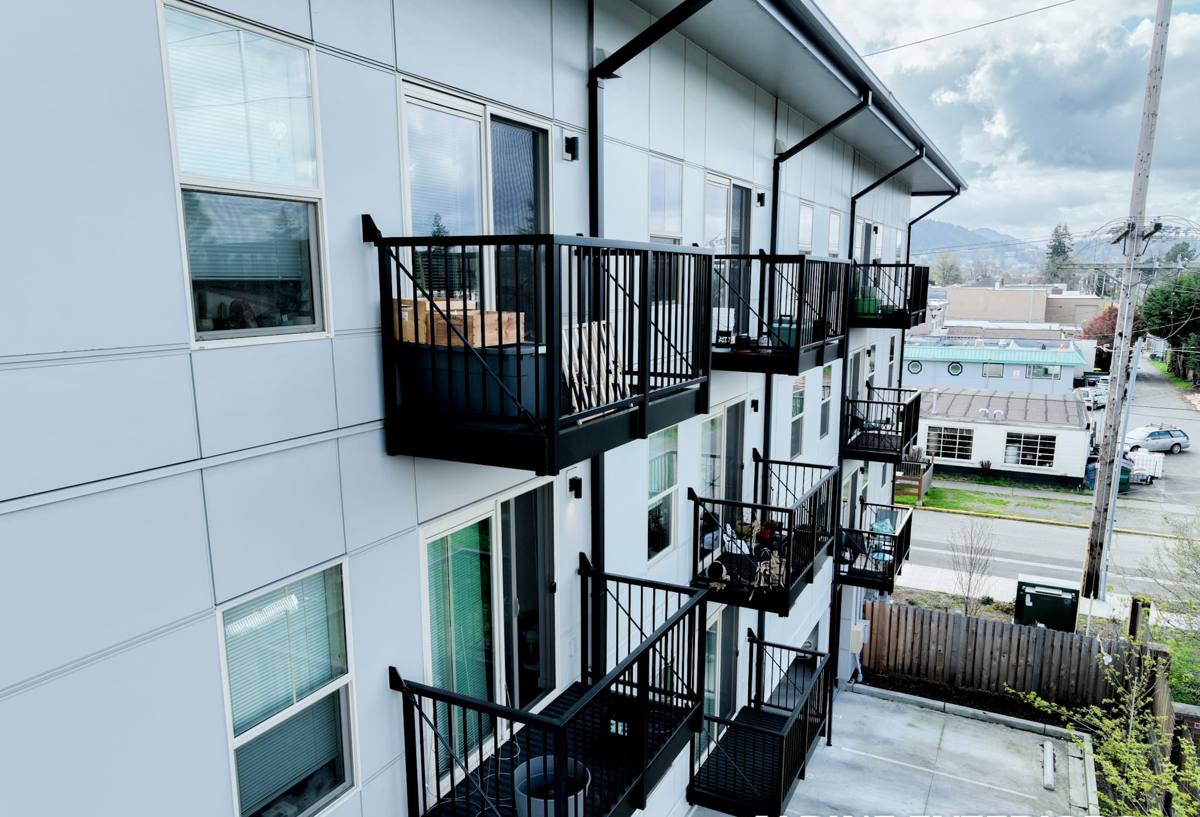
What Whatcom County Weather Does to a Roof Over Time
Whether a home sits close to the water or further inland toward Sumas, roofs across this part of Washington deal with the same basic pattern: long stretches of wet weather, short bursts of hard wind, and a growing season for moss that barely takes a break. None of that damage happens overnight. It builds slowly, which is exactly why small problems get missed until they turn into interior water stains.
Rain That Doesn't Let Up
It's rarely a single downpour that causes damage here — it's weeks of steady, driving rain finding every weak point in flashing, fastener seals, and shingle laps. Wind-driven rain in particular can push water sideways up under shingle edges and around chimneys, vents, and skylights, which is why leaks so often show up nowhere near where the actual roof damage started.
Moss That Never Really Stops Growing
Cool, damp, shaded conditions are close to ideal growing conditions for roof moss, and north-facing slopes or roofs under tree cover barely get a dry season at all. Moss isn't just cosmetic — it holds moisture against the roofing material, lifts shingle edges as it grows, and works its way under laps and around fasteners, which accelerates rot in the decking underneath.
Wind and Temperature Swings
Sumas sees its share of wind events, and even moderate gusts can work shingle tabs loose or peel back ridge caps that have already been weakened by age or moss. Add in the freeze-thaw cycles that show up most winters, and any water that's already gotten under a shingle or into a seam has a chance to expand, crack material, and widen the problem.
Signs a Sumas Roof Needs Repair (Not Just Cleaning)
Some of these are obvious from the ground. Others only show up once you're actually looking closely, which is part of why a proper inspection matters more than a quick glance from the driveway.
- Dark streaks or heavy moss growth concentrated on shaded or north-facing slopes
- Granules collecting in gutters or at downspout outlets
- Shingles that are curling, cracking, or visibly lifted at the edges
- Rust, gaps, or lifting around flashing at chimneys, vents, and skylights
- Soft or spongy spots when walking the roof, which can indicate decking damage
- Water stains on interior ceilings or in the attic, especially after wind-driven rain
- Sagging along the roof line or around valleys
- Daylight visible through the roof deck from inside the attic
Any one of these on its own doesn't necessarily mean a full replacement. It means it's time for someone to get up there and look closely.
What a Correct Roof Repair Actually Involves
Diagnosing the Real Problem, Not Just the Symptom
A ceiling stain in one room doesn't always mean the roof is damaged directly above it — water can travel along rafters or sheathing before it finds a path down through drywall. A repair that just patches the spot closest to the interior stain, without tracing the leak back to its actual source, is the most common reason repairs fail to hold. Our approach starts with finding where water is actually getting in, which sometimes means checking flashing, valleys, and vent boots well away from where the damage is showing up inside.
Matching Materials the Right Way
Once we know what failed, the fix has to match the rest of the roof — not just in shingle color, but in how it's installed. That means proper flashing details at penetrations, correct fastener placement, underlayment that's tied in properly rather than just tucked under the surrounding material, and shingle courses that shed water the way the original roof was designed to. A repair that looks fine from the ground but wasn't tied into the surrounding roofing correctly is often worse than doing nothing, because it can trap moisture instead of shedding it.
Repair or Replace? How We Help You Decide
Not every roof problem calls for a repair, and not every roof problem calls for full replacement either. The honest answer depends on the roof's age, how localized the damage is, and what condition the decking underneath is in. We'll give you a straight assessment rather than defaulting to whichever option costs more.
| Factor | Repair Usually Makes Sense | Replacement Worth Considering |
|---|---|---|
| Roof age | Well within its expected lifespan | Near or past the end of its expected service life |
| Extent of damage | Isolated to one area or component (flashing, a section of shingles, a vent boot) | Spread across multiple slopes or recurring in different spots |
| Decking condition | Solid, no soft spots or rot found | Soft, delaminated, or showing rot when inspected |
| Moss/organic growth | Surface-level, hasn't compromised the shingle mat | Heavy, longstanding growth that's degraded the roofing material itself |
| History of repairs | First or second repair on this roof | Repeated patch jobs in the same general area over the years |
General repair costs typically run a modest fraction of full replacement, but the real range depends heavily on what we find once we're actually on the roof. That's why we inspect before we quote — not the other way around.
Our Roof Repair Process
- Inspection. We get on the roof (not just a ground-level look) and check the area of concern along with flashing, valleys, and penetrations nearby.
- Honest assessment. We tell you what we found, what's causing it, and whether repair or something more is the right call — with our reasoning, not just a recommendation.
- Written estimate. You get a clear scope of work and price before anything happens, no surprise add-ons once we're up there.
- The repair itself. We fix the actual cause, tie new material into the existing roofing correctly, and address any decking damage we find along the way.
- Cleanup and walkthrough. Debris and old material get hauled off, and we'll show you what was done before we consider the job finished.
Why a Crew That Already Works in Sumas Matters
Roof repair is one of those jobs where local experience actually changes the outcome. A crew that's worked on roofs throughout Whatcom County knows how moss builds differently on a shaded, low-slope roof than an exposed one, how wind-driven rain tends to find its way into flashing details in this climate, and what kind of underlayment and fastening actually holds up here versus in a drier region.
There's also a practical side to it. Being based in Birch Bay means we're not routing a crew in from out of the area for a single repair call, and we're not a stranger to the region's building conditions or permitting norms. If something about the repair raises a question — a code issue, a structural concern, an insurance question — we've dealt with it before in this same county, not somewhere else entirely.
Keeping a Repaired Roof in Good Shape
A good repair extends a roof's life, but a little upkeep afterward extends it further. In a climate like this, that mostly comes down to controlling moisture and organic growth before they get a foothold again.
- Keep gutters and downspouts clear so water isn't backing up under the roof edge
- Trim back overhanging branches to cut down shade and debris on moss-prone slopes
- Have moss treated or removed before it spreads across a full slope, not after
- Check flashing and vent boots periodically, since these are the most common points of future leaks
- Get a roof looked at after any major wind event, even if nothing looks obviously wrong from the ground
None of this requires constant attention — just a periodic check, especially heading into the wetter months.
If you're dealing with a leak, moss buildup, or damage anywhere on a Sumas-area roof, we're happy to take a look and give you a straight answer about what it actually needs. Use the form below to request a free, no-pressure estimate.