 Birch Bay
 Why Window Installation Is Different in Semiahmoo
Semiahmoo sits right where Whatcom County's marine climate is at its most aggressive. The homes here face a steady mix of salt-laden air off the water, wind-driven rain that hits windows sideways rather than straight down, and a moss season that can stretch from October through May. None of that is a problem for a window and its installation on its own — but it becomes a serious problem when the window was installed with shortcuts, or when an aging window's seals and flashing have simply given up after years of that exposure.
This page is about one thing: window installation, done correctly, for homes in and around Semiahmoo. Not a general contractor pitch, not a catalog of every service we offer — just what local homes actually need from their windows, what a correct installation looks like, and how we approach the job.
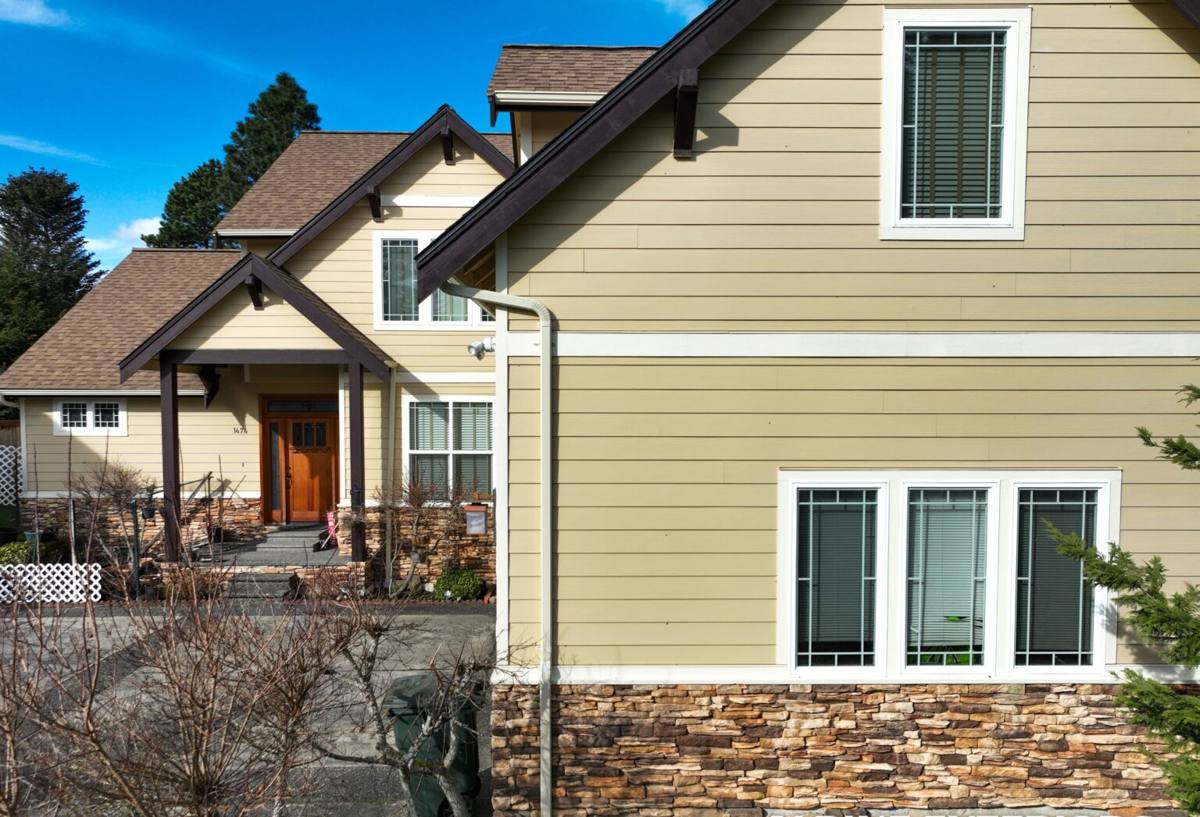
What Salt Air, Driving Rain, and Moss Actually Do to Windows
Salt Air
Airborne salt is corrosive to exposed metal hardware — hinges, locks, cranks, and especially aluminum frame components if a window uses them. Over years, salt exposure can pit finishes and stiffen or seize moving hardware faster than it would inland. It also accelerates the breakdown of exterior caulking and sealants, which is exactly what's supposed to be keeping water out of the wall.
Driving Rain
Wind-driven rain doesn't just fall on a window — it gets pushed sideways and upward into any gap it can find. That's why flashing and the way a window is sealed into the rough opening matters more here than it would in a drier, calmer climate. A window that would perform fine in a low-wind region can leak in Semiahmoo if the flashing detail wasn't done right, because the water pressure against the opening is simply higher.
Moss and Sustained Moisture
A long moss season means extended periods where wood trim, sills, and any exposed fasteners stay damp rather than drying out between rain events. Moss and algae growth on and around window trim holds moisture against the surface, which is hard on paint, caulk, and any wood components if they aren't detailed and finished properly.
Signs Your Current Windows Are Losing the Fight
- Fogging or a hazy film between panes of a double- or triple-pane window — the seal between the glass layers has failed
- Soft, discolored, or spongy trim or sill material around the window frame
- Drafts you can feel with a hand near the frame on a windy day, even with the window fully closed and locked
- Difficulty locking or latching a window that used to close easily — often hardware corrosion or frame movement
- Visible gaps, cracked caulk, or peeling paint at the joint between the window frame and the siding or trim
- Water staining on interior drywall or trim below or beside a window after a storm
- Persistent moss or dark streaking on the sill or trim that keeps coming back within weeks of cleaning
Any one of these on its own might not mean much. Two or three together, especially on a window facing the prevailing wind and weather, usually means it's time to look closer.
What a Correct Window Installation Actually Involves
The window itself gets most of the attention, but in a climate like this, the installation detail is what determines whether that window performs for the next 15-20 years or starts leaking in three. Replacing a window well involves several steps that are easy to shortcut and hard to inspect once the trim is back on.
Removal Without Damage
The old window and any compromised trim, sheathing, or framing around it need to come out cleanly. This is also the point where we find out what's actually going on behind the old window — sometimes it's fine, sometimes there's rot or old water damage that needs to be addressed before a new window goes in. Installing a new window over hidden rot just delays the same problem.
Flashing, Not Just Caulk
Caulk is a first line of defense, not the only one. A correctly installed window uses layered flashing — typically a sill pan to catch and direct any water that gets past the window back out, plus flashing tape or building paper integrated with the water-resistive barrier at the sides and top — so that water is shed out and away from the wall assembly, not just sealed against with a bead of caulk that will eventually crack. In a driving-rain climate, this detail matters more than the window brand.
Correct Sizing and Shimming
A window needs to be plumb, level, and square in the opening, shimmed correctly so it isn't relying on the frame itself to hold its shape. A window installed slightly out of square can bind, leak at the corners, or wear its weatherstripping unevenly over time.
Insulation of the Gap
The gap between the window frame and the rough opening needs to be filled with an appropriate low-expansion foam or insulation — not packed so tight it bows the frame, not left empty so it's a direct path for drafts and moisture.
Exterior Trim and Final Sealing
Trim gets reinstalled or replaced, and the final exterior caulk joint is applied at the right points — sealing water out while still leaving the flashing system underneath to do its job if any water does get past that outer seal.
Window Frame Material: What Holds Up on the Coast
| Frame Material | Moisture Behavior | Maintenance | Notes for This Climate |
|---|---|---|---|
| Vinyl | Doesn't rot or corrode; seams and welds are the weak point if manufacturing quality is low | Low — occasional cleaning | Good baseline choice; quality varies a lot between manufacturers |
| Fiberglass | Very stable, minimal expansion/contraction, resists moisture well | Low | Handles temperature and moisture swings well; often a strong fit for coastal exposure |
| Wood (unclad) | Attractive but vulnerable to sustained moisture and needs a sound paint or finish system | High — repainting/refinishing on a cycle | Needs real commitment to upkeep in a long moss season; we're upfront about that maintenance burden before anyone chooses it |
| Wood-clad (aluminum or vinyl exterior) | Good if the cladding and seams are done right; failure point is usually where cladding meets glass or corners | Moderate | Can work well but installation quality at the cladding joints matters more here than inland |
| Aluminum | Conducts cold and can corrode with prolonged salt exposure unless well-finished | Moderate | We're selective about where we recommend it this close to the water |
We don't push one brand or material for every home. The right choice depends on your home's style, your budget, and how much upkeep you actually want to take on. What we won't do is install a wood window without being straightforward about the maintenance schedule it needs to survive a Whatcom County winter.
Our Process, Start to Finish
- On-site assessment — we look at each window individually, not just the house as a whole. Some windows on a home take more weather than others depending on which direction they face.
- Honest scope — we tell you which windows genuinely need replacement now, which are fine, and which could wait. We're not incentivized to replace windows that don't need it.
- Material and product selection — walking through frame material, glass package, and hardware options based on your home and budget, not a one-size pitch.
- Removal and inspection — old window and surrounding material comes out, and we check the framing and sheathing underneath before anything new goes in.
- Flashing and installation — sill pan, flashing integration with the water-resistive barrier, shimming, and setting the window plumb, level, and square.
- Insulation and sealing — gap insulation, interior and exterior trim, and final caulk joints.
- Walkthrough — every window operated and checked with you before we consider the job done.
What Affects the Cost of a Window Installation
| Factor | Why It Matters |
|---|---|
| Number of windows | Per-window cost typically drops somewhat as the total count on a job goes up |
| Frame material | Vinyl is usually the most budget-friendly; fiberglass and wood-clad cost more upfront |
| Glass package | Double vs. triple pane, low-E coatings, and gas fill all affect price and performance |
| Hidden damage | Rot or old water damage found during removal adds repair scope before the new window goes in |
| Window size and type | Large, custom-shaped, or hard-to-access windows take more labor than standard sizes |
| Trim and siding work | Matching or replacing exterior trim and siding around the new window adds to the scope |
We'll always give you a written estimate that breaks these out, so you know what you're paying for and where the flexibility is if budget is a concern.
Why a Crew That Already Works Semiahmoo Matters Here
Window installation isn't exotic work, but window installation that holds up on the water side of Whatcom County depends on details that don't show up in a generic install guide. A crew that regularly works homes in Birch Bay and Semiahmoo has already seen which flashing details actually hold up against driving rain off the water, which materials handle the salt air without needing constant upkeep, and which trim and sealing choices keep moss from taking hold around a window within the first year. That's not a marketing point — it's the difference between a window that's still performing in year fifteen and one that's leaking by year three.
It also means we're not guessing at your home's exposure. A window on the water-facing side of a Semiahmoo home is dealing with meaningfully more wind-driven rain than one tucked on a sheltered wall, and the installation approach should reflect that.
Keeping New Windows Performing After Install
- Rinse salt residue off frames and glass periodically, especially on water-facing sides of the home
- Keep gutters and downspouts clear so roof runoff isn't sheeting down across window heads
- Check and re-caulk exterior joints if you see cracking, before the next wet season starts
- Clear moss and debris from sills and trim promptly rather than letting it sit through the winter
- Operate locks and hardware periodically even on windows you don't open often, to keep them from seizing
None of this is difficult, but a little attention once or twice a year goes a long way toward getting the full lifespan out of a new window in this climate.
If you're dealing with drafty, fogging, or leaking windows in Semiahmoo, or you're planning ahead for a full replacement, we're happy to take a look and give you a straightforward, no-pressure estimate — just fill out the form below.