 Birch Bay
 Window Installation Built for Custer's Coastal Climate
Custer sits close enough to the water that homes here take on the same weather load as the rest of the Birch Bay area: salt-laden air off the Strait of Georgia, long stretches of driving rain through fall and winter, and a moss season that never really ends. Windows are one of the first parts of a house to show the wear from that combination. Frames chalk and pit, seals fail early, and sills stay damp longer than they would twenty miles inland. If you're planning a window replacement or new installation in Custer, the job needs to account for that environment from the start, not as an afterthought.
This page covers what window installation actually involves for a Custer home, what local conditions demand from the materials and the install itself, and how our process works from first look to final cleanup. We keep a crew working the Birch Bay and Whatcom County area regularly, so this isn't generic advice pulled from a national playbook — it's how we actually approach the work out here.
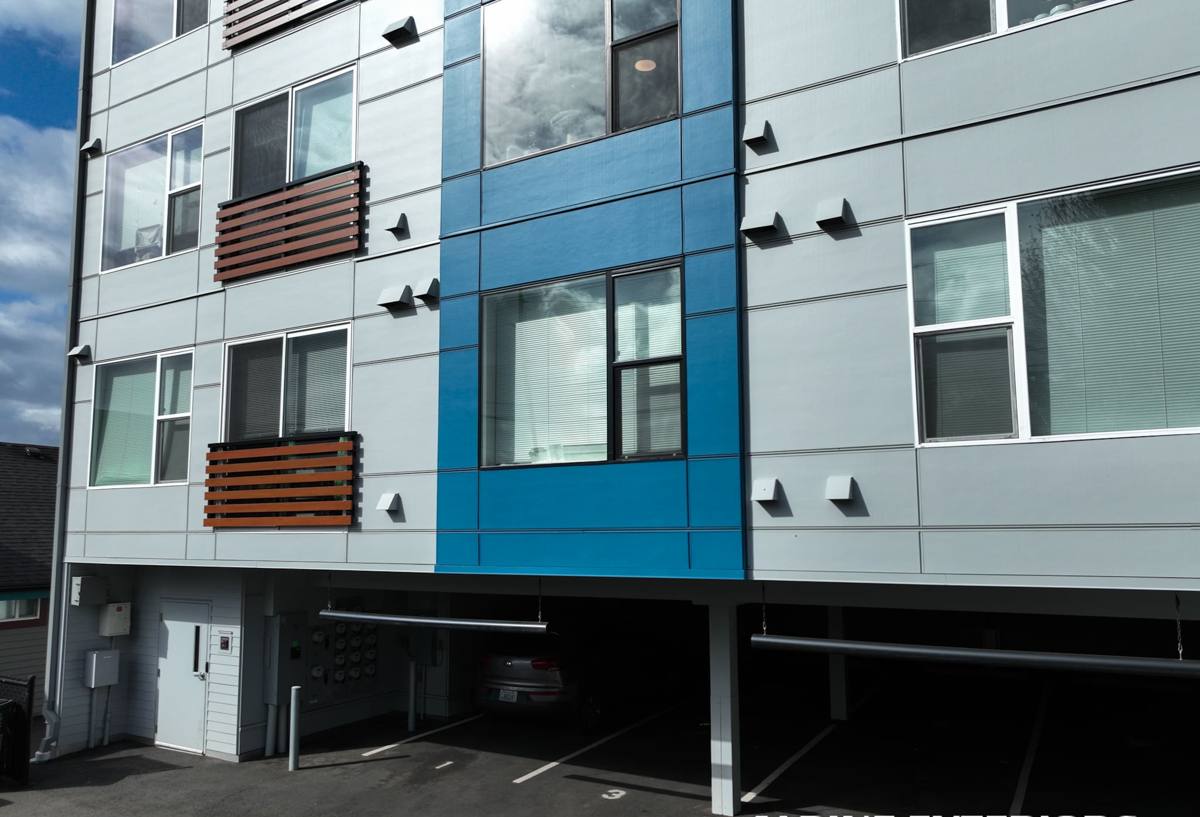
What Salt Air and Coastal Weather Do to Windows Over Time
Frame Materials Under Constant Moisture Exposure
Salt air accelerates corrosion on any exposed metal hardware — hinges, cranks, screws, and cladding fasteners — faster than it would in a dry inland climate. Aluminum frames, once a common choice, tend to pit and oxidize noticeably faster near the water. Even quality vinyl and fiberglass frames need UV- and salt-stable formulations to hold their color and rigidity over the long run. A frame rated for a generic climate zone isn't automatically rated for a marine one.
Driving Rain and Wind-Driven Water
Birch Bay and Custer both catch weather systems coming off the water with real wind behind the rain, not just straight-down precipitation. That matters because it's wind-driven rain — not vertical rain — that finds its way past poorly flashed or poorly sealed windows. A window that would perform fine in a sheltered inland lot can leak here if the flashing detail wasn't built for lateral water pressure.
Moss, Algae, and Prolonged Dampness
Whatcom County's moss season is long, and it's not limited to roofs. Sills, tracks, and any horizontal trim around a window can hold moisture long enough for algae and moss to take hold, especially on north- and west-facing walls that don't get much direct sun. That constant dampness is hard on wood trim and can work its way into caulk joints and seams over several seasons if the original install didn't shed water cleanly.
Signs Your Custer Home Needs New Windows
Not every window problem means a full replacement, but these are the signs we see most often on Whatcom County homes when the windows have reached the end of their service life:
- Fogging or a permanent haze between panes — a sign the seal on a double-pane unit has failed
- Visible rot, soft spots, or discoloration in the wood trim or sill around the window
- Drafts you can feel near the frame even when the window is fully latched
- Difficulty opening, closing, or locking — often from frame swelling or warping
- Condensation forming on the inside of the glass regularly, beyond normal winter humidity
- Visible corrosion on hardware, cranks, or metal cladding
- Paint or finish failing repeatedly in the same spot no matter how often it's touched up
- Noticeable moss or algae growth on the sill or surrounding trim
If you're only seeing one or two of these and the frame itself is sound, repair or targeted resealing may be enough. Once rot has reached the frame or multiple panes have failed, replacement is usually the more honest recommendation.
Choosing the Right Window for a Whatcom County Home
Material choice matters more here than in a dry, sheltered climate. Here's how the common options actually hold up under Custer conditions:
| Material | Performance Near the Coast | Maintenance | Our Take |
|---|---|---|---|
| Vinyl | Good — won't rust or rot, handles moisture well | Low; occasional cleaning | Solid, cost-effective default for most Custer homes |
| Fiberglass | Very good — dimensionally stable, resists warping from moisture swings | Low | Worth the upgrade cost on exposed elevations facing the water |
| Aluminum | Weaker — prone to pitting and corrosion in salt air over time | Moderate to high | We generally steer clients away from it this close to the coast |
| Wood / Wood-clad | Attractive but demands consistent upkeep in constant moisture | High — regular sealing and paint maintenance | Fine for homeowners committed to the maintenance schedule; riskier if not |
None of these are wrong choices in every case — it depends on the wall's exposure, your maintenance appetite, and your budget. We'll walk through the real trade-offs for your specific elevations rather than pushing one product line across the board.
What a Correct Installation Actually Involves
The window unit itself is only part of the job. Most leaks and premature failures we get called out to fix in this area trace back to installation shortcuts, not a bad window. A correct install has several distinct stages, and skipping or rushing any one of them is where problems start.
Removal and Opening Prep
Once the old window is out, we inspect the rough opening for hidden rot or water damage before anything new goes in. In a house that's been catching driving rain for years, this step regularly turns up damage that wasn't visible from outside. Any compromised framing or sheathing gets addressed before the new window goes in — installing a new window into a soft or wet opening just locks the problem behind new trim.
Flashing and Weatherproofing
This is the step that matters most for wind-driven rain. Proper flashing — at the sill, jambs, and head — directs water back out and down, layered so each piece sheds onto the one below it, never the reverse. We use flashing tape and sealants rated for the temperature swings and moisture exposure typical of a Whatcom County winter, not a generic caulk that will chalk and crack within a couple of seasons.
Insulation and Air Sealing
The gap between the window frame and the rough opening gets sealed with a proper low-expansion foam or backer rod and sealant — not stuffed with fiberglass alone, which does little to stop air and moisture infiltration. This step affects both your energy bills and how well the window resists condensation on cold, wet days.
Finish Work
Exterior trim, caulking, and touch-up paint or siding tie-in get finished so water has a clean path off the wall and away from the window, not a ledge to collect on. On a marine-climate home, we pay particular attention to any horizontal trim pieces, since those are exactly the surfaces where we see moss and algae build up first.
Our Process, Start to Finish
- On-site assessment — We look at your existing windows, exposure to weather and salt air, and any signs of rot or past leaks before recommending anything.
- Honest recommendation — We'll tell you which windows need replacement now, which can wait, and which material makes sense for your specific walls and budget.
- Written estimate — Clear scope and pricing, no vague allowances.
- Scheduling around the weather — We plan installs to minimize how long any opening sits exposed, which matters more here than in a drier climate.
- Installation — Removal, opening inspection and repair as needed, flashing, insulation, and finish work, done in that order, every time.
- Walkthrough and cleanup — We show you the finished work, confirm everything operates correctly, and clean up the site before we leave.
Why a Local Custer Crew Matters
Window installation done right in this area isn't just about the product — it's about understanding what this stretch of Whatcom County actually does to a house over time. A crew that works Birch Bay and the surrounding communities regularly has already seen how salt air ages hardware, where wind-driven rain tends to find weak flashing, and which walls stay damp long enough to grow moss. That's the kind of judgment that doesn't come from a spec sheet.
There's also a practical side: being local means we can be responsive if something needs a follow-up look after the first hard rain of the season, and we're not learning the region's weather patterns on your project. We show up, do the work correctly the first time, and stand behind it because we're not going anywhere.
Cost Factors for Window Installation in Custer
Pricing varies by project, but these are the factors that most often move the number up or down. We'll break down exact costs for your home in a written estimate rather than a ballpark over the phone.
| Factor | Why It Affects Cost |
|---|---|
| Number of windows | Per-unit pricing typically drops on larger jobs done in one visit |
| Frame material | Vinyl is generally the most affordable; fiberglass and wood-clad cost more upfront |
| Opening condition | Rot or water damage found during removal adds repair time and material |
| Window size and type | Large, custom, or specialty shapes cost more than standard sizes |
| Access and site conditions | Second-story or hard-to-reach windows take more time and equipment |
| Trim and siding tie-in | Matching existing trim or siding profiles adds finish work |
Maintaining New Windows in a Marine Climate
New windows still need a little seasonal attention out here to get their full service life. A few habits go a long way in Custer's climate: rinse salt residue off frames and glass periodically, especially after storms; keep sills and tracks clear of debris where moss and algae can take hold; check caulk lines once a year for cracking or gaps; and clear gutters and nearby vegetation so water and shade aren't sitting against the window longer than necessary. None of this is complicated, but skipping it is how a well-installed window ends up looking neglected well before its time.
If your windows in Custer are showing their age, leaking during hard rain, or you're planning ahead for a replacement before the next wet season sets in, we're happy to take a look and give you a straight answer — no pressure, no upsell. Reach out using the form below for a free estimate.