 Birch Bay
 Why Point Whitehorn Homes Need a Different Approach to Windows
Point Whitehorn sits close enough to the water that its homes take on a different set of weather problems than houses a few miles inland. The combination of salt-laden air off the Strait, wind-driven rain that comes at windows sideways instead of straight down, and a moss season that can stretch for months in this part of Whatcom County adds up to faster wear on window frames, seals, and hardware than most manufacturers plan for in their standard warranties. A window that would hold up fine in a drier, more sheltered part of the state can start showing problems here years ahead of schedule.
That doesn't mean Point Whitehorn homes need exotic materials or a completely different category of product. It means the installation details — flashing, sealants, hardware finish, and frame material — have to be chosen and executed with this specific exposure in mind. Get those details wrong and you'll be dealing with fogged glass, sticking sashes, or soft trim well before the windows are due for replacement again.
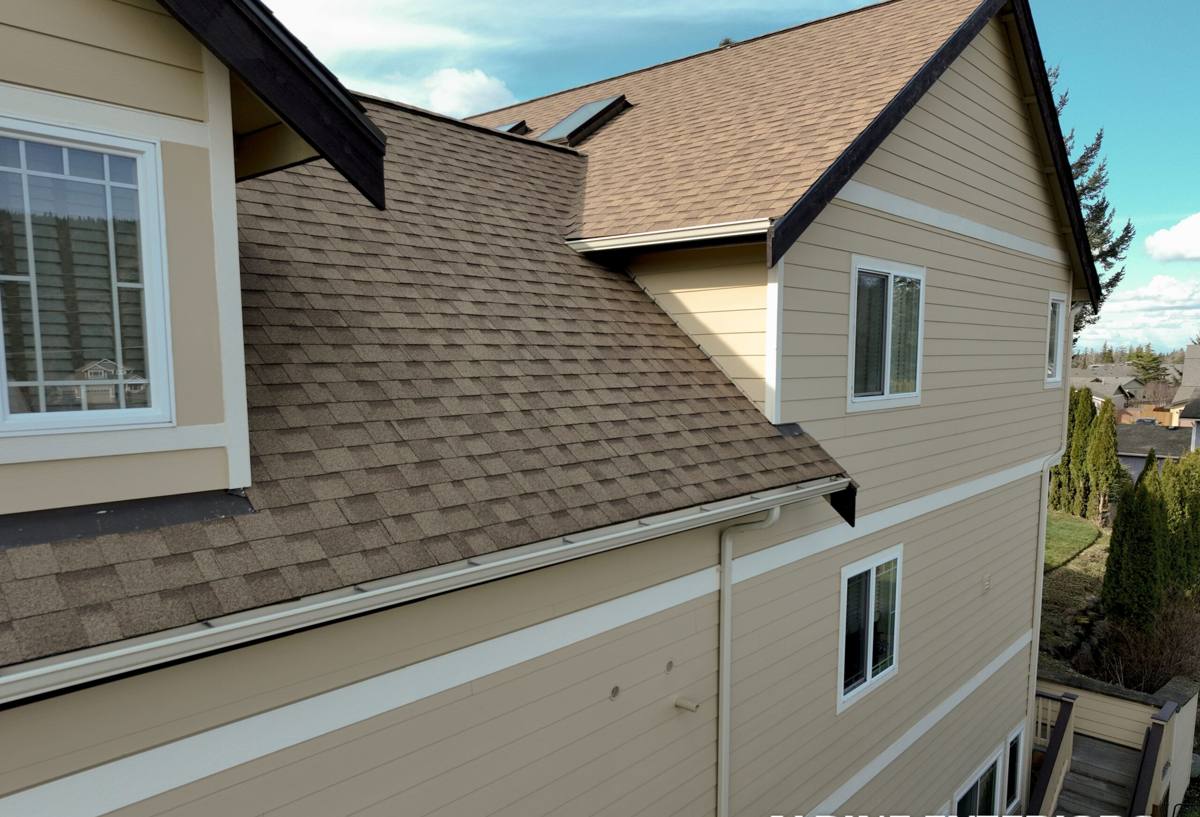
What Salt Air and Moisture Actually Do to Windows Over Time
Salt air is corrosive to metal, full stop. On windows, that shows up first in the small parts homeowners rarely think about: hinges, balance systems, cranks, and screws. Once corrosion sets in, windows get harder to open and close, and eventually the hardware fails outright. Aluminum-clad and wood-frame windows without adequate protective finishes are especially prone to this near the water.
Driving rain is a separate problem. Wind pushes water sideways and upward against a building envelope in a way that gravity-based flashing details were never designed to handle. If a window wasn't installed with proper head flashing, a sloped sill pan, and correctly lapped weather-resistive barrier, wind-driven rain will find its way behind the trim and into the wall cavity. That kind of leak can go undetected for a long time because the damage happens inside the wall, not on the visible sill.
Then there's the region's long stretch of damp, low-light months, which is exactly the environment moss and mildew need. On windows, that moisture load shows up as black staining on sills and trim, swelling in wood components, and — over enough seasons — softened or rotted wood behind the cladding if the original installation didn't seal properly.
Signs Your Current Windows Are Losing the Battle
- Hardware (locks, cranks, hinges) feels stiff, gritty, or corroded to the touch
- Visible condensation or fogging between panes of double-glazed glass, meaning the seal has failed
- Soft or discolored wood trim around the window, especially at the bottom corners
- Drafts you can feel with a hand near the frame on a windy day
- Paint or finish that's bubbling, peeling, or chalky on the exterior side
- Black or green staining on the sill that returns quickly after cleaning
- Windows that are noticeably harder to open than they used to be
What a Correct Window Replacement Job Actually Involves
Swapping an old window for a new one is the easy part. The work that actually determines whether the new window survives this climate happens around the opening, not in it.
The Details That Matter Most Near the Water
A proper installation in this exposure includes a sloped sill pan that drains any water that gets past the exterior seal back out to the surface, rather than letting it pool against the framing. It includes head flashing integrated correctly with the house's weather-resistive barrier — lapped so water sheds down and over, never behind. And it includes sealants and backer rod rated for exterior exposure and UV, applied at the right joints, not just a bead of caulk around the outside trim.
We also pay attention to hardware finish and fastener material. Standard-grade fasteners and hardware can start showing corrosion within a few years this close to the water. Stainless or otherwise corrosion-resistant hardware costs a little more up front and holds up for the life of the window.
Frame Material Considerations for Coastal Exposure
There's no single "correct" frame material for every home, but each option comes with real trade-offs worth understanding before you decide.
| Frame Material | Salt Air / Moisture Behavior | Maintenance | Typical Trade-Off |
|---|---|---|---|
| Vinyl | Won't corrode or rot; performs consistently in salt air | Low — occasional cleaning | Frame color/finish options are more limited than wood |
| Fiberglass | Very stable in temperature and moisture swings; strong moisture resistance | Low | Higher upfront cost than vinyl |
| Wood (clad exterior) | Good if the exterior cladding and finish are intact; interior wood still needs protection | Moderate to high — finish needs upkeep | Most vulnerable option if seals or finish fail near salt air |
| Aluminum | Prone to corrosion and pitting unless heavily treated/anodized | Moderate | Conducts heat and cold; less common choice for this climate now |
For most Point Whitehorn homes, vinyl or fiberglass frames with corrosion-resistant hardware give the best balance of durability and upkeep. Wood-clad windows can still be the right call for homes where the look matters most, as long as the installation and finish are treated as maintenance items, not one-time tasks.
Our Process for Point Whitehorn Window Replacements
The process itself isn't complicated, but skipping steps is exactly how coastal homes end up with premature failures. Here's how we approach it.
- On-site assessment. We look at existing window condition, the current flashing and trim details, and any signs of prior water intrusion around each opening before quoting anything.
- Accurate measurement and product selection. Openings on older homes are rarely perfectly square, and exposure varies from one side of a house to another — a wall that takes the brunt of the wind off the water may warrant a different sealing approach than a more sheltered side.
- Removal and opening inspection. Once the old window is out, we check the framing and sheathing underneath for hidden rot or moisture damage before installing anything new. This is often where problems from a prior installation show up.
- Correct flashing and sealing. Sill pan, head flashing, and weather-resistive barrier integration happen before the new window ever gets set, not as an afterthought once it's in place.
- Setting, shimming, and fastening. The window is leveled, shimmed, and fastened per manufacturer specs so it operates smoothly and seals evenly around the full perimeter.
- Interior and exterior finish work. Trim, caulking, and insulation around the frame are finished to keep both air and moisture out.
- Walkthrough and cleanup. We test operation on every window and walk the job site with you before we consider it done.
Why Local Experience With This Exposure Matters
A contractor who mostly works inland jobs may not think twice about wind direction, salt exposure, or how much rain a given wall actually takes over a year. Crews who regularly work Point Whitehorn and the broader Birch Bay shoreline get a feel for which walls need extra attention to flashing, which older homes tend to have hidden moisture issues behind the trim, and which hardware and sealant choices actually hold up here versus which ones look fine on paper and fail in five years.
That local pattern recognition is hard to fake. It comes from having pulled old windows out of enough Whatcom County homes near the water to know what's usually waiting behind them.
Cost Factors to Expect
Every home is different, so we won't quote a number without seeing the job, but the main variables that move the price are consistent from house to house.
- Number and size of windows — larger openings and specialty shapes cost more than standard sizes
- Frame material — vinyl is generally the most economical, fiberglass and clad-wood cost more
- Condition of the existing opening — hidden rot or water damage found during removal adds repair work before the new window can go in
- Full-frame vs. insert replacement — a full-frame replacement (tearing out to the studs) costs more than an insert but is often the right call when the old flashing or framing is compromised
- Access and site conditions — second-story or hard-to-reach windows take more labor
As a general rule, budgeting more for correct flashing and sealant work up front is far cheaper than repairing water damage inside a wall a few years down the line.
Energy and Comfort Benefits Beyond Weatherproofing
While the coastal exposure is the main reason to get the installation details right, new windows also bring a real difference in comfort and efficiency. Old, drafty, or failed-seal windows let conditioned air escape and cold, damp air in, which shows up as cold spots near windows in winter and higher heating bills. Modern double- or triple-pane units with quality low-E glass and tight, correctly installed frames cut down on drafts, reduce interior condensation on the glass, and make rooms near windows noticeably more comfortable year-round.
Keeping New Windows Performing Through Moss Season
A correct installation does most of the work, but a little seasonal upkeep goes a long way in this climate.
- Rinse salt spray and grime off exterior glass and frames periodically, especially on wind-exposed sides of the house
- Keep gutters and downspouts clear so overflow doesn't run down onto window heads and trim
- Inspect exterior caulking once a year and touch up any cracked or separated joints before the wet season sets in
- Wipe down sills after heavy rain events to discourage moss and mildew from taking hold
- Operate locks and cranks periodically even on windows you don't open often, so hardware doesn't seize up
If your windows in Point Whitehorn are showing their age, or you just want an honest read on whether repair or replacement makes more sense for your home, we're happy to take a look. Reach out for a free, no-pressure estimate using the form below.