 Birch Bay
 Board & Batten in Cottonwood Beach: A Style That Has to Earn Its Keep
Board and batten has a strong following in Cottonwood Beach, and it's easy to see why. The vertical lines suit the beach cottages, newer builds, and mixed housing stock along this stretch of Birch Bay, and it reads as clean and coastal without trying too hard. But board and batten is also a style that punishes a bad installation faster than lap siding does. Every batten seam, every reveal, every fastener line is a potential water path, and on a shoreline lot in Whatcom County, water finds those paths quickly. We treat board and batten here as a system that has to perform first and look good second — because if the performance isn't right, the look won't last either.
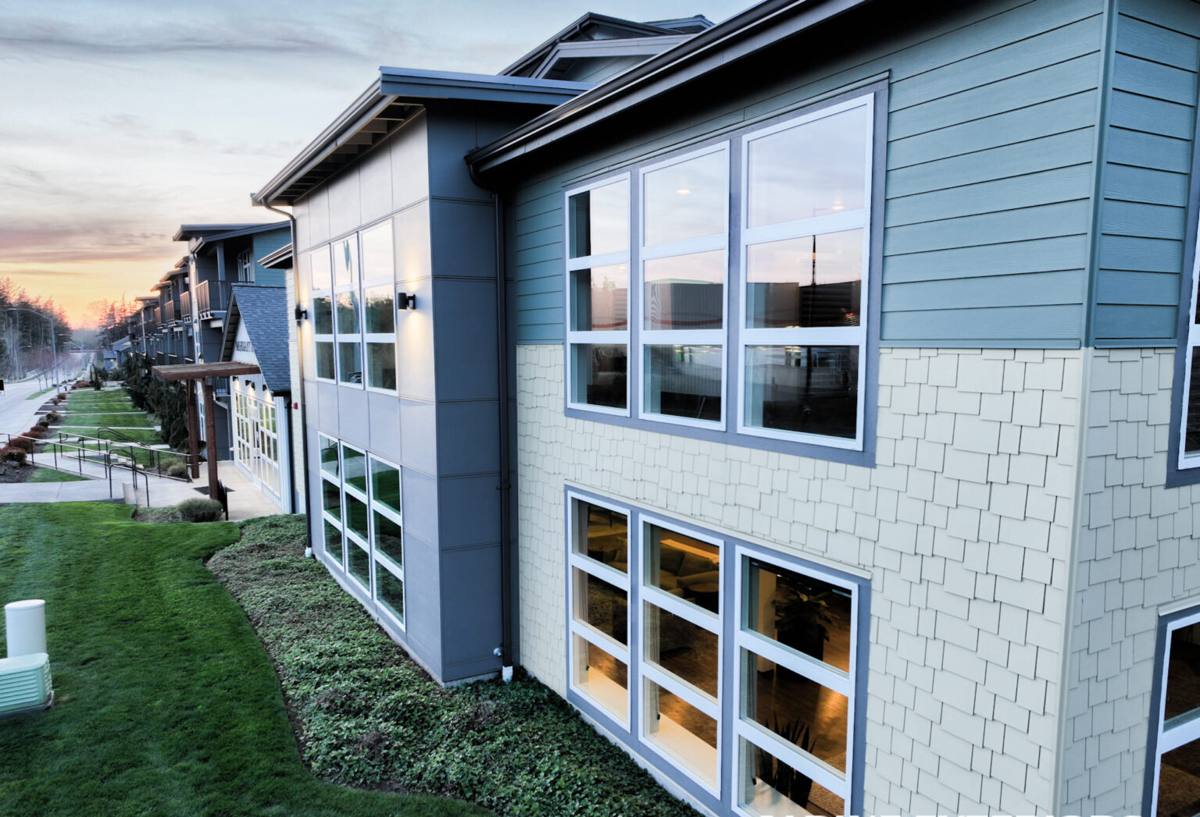
What Cottonwood Beach's Climate Actually Does to Siding
Cottonwood Beach sits close enough to Birch Bay's shoreline that salt-laden air is a constant, not an occasional event. Salt air accelerates corrosion on fasteners, staples, and any exposed metal trim, and it works its way into porous or poorly sealed siding surfaces over time. Combine that with driving rain off the Strait of Georgia — rain that doesn't fall straight down but gets pushed sideways into wall assemblies — and you have two separate stresses attacking the same joints and seams.
Then there's moss. Whatcom County's long, wet, mild-temperature season is close to ideal moss-growing weather, and moss doesn't need much of a foothold: a rough-cut edge, a hairline gap at a batten joint, or a north-facing wall that stays damp longer than the rest of the house. Once moss and lichen establish themselves, they hold moisture against the siding surface even longer, which is exactly the opposite of what you want from an exterior material in this climate.
None of this means board and batten is a bad choice for Cottonwood Beach. It means the material and the installation both have to be chosen with these three stresses — salt air, driving rain, and moss — specifically in mind, rather than treated as generic siding work.
Why We Install This Style Only in James Hardie Fiber Cement
We don't install board and batten in vinyl, LP SmartSide, primed spruce, cedar, or other fiber cement brands. That's a deliberate standard, not a sales pitch, and it's worth explaining honestly rather than just asserting.
Vinyl board and batten profiles look the part but they're still thin PVC panels — they expand and contract more than fiber cement, they can warp or fade under repeated wet-dry cycling, and their long-term performance in a salt-air environment isn't something we're willing to put our name behind. Wood — cedar or primed spruce — is a real, honest material with real appeal, but it needs consistent recoating and caulking discipline to survive Whatcom County's rain and moss season, and board and batten's narrow reveals and batten-strip seams give wood grain and end cuts a lot of edges to absorb water. LP SmartSide is engineered wood, which means its core is still wood fiber bound with resin; it holds up reasonably well when detailing is perfect and maintenance never lapses, but a coastal lot doesn't offer much margin for either. Other fiber cement brands like Cemplank or Allura are chemically similar to James Hardie, but we've standardized on one manufacturer so our crews install one system to one spec every time, backed by one warranty structure we know inside and out.
James Hardie fiber cement is non-combustible, dimensionally stable in wet climates, and available in board and batten profiles engineered for exactly this kind of exposure. The ColorPlus factory finish is baked on under controlled conditions rather than field-applied, which matters a lot in a region where field-applied paint has to cure between rain events. That's the whole reason we standardized on it — not brand loyalty, but a track record of holding up to conditions like Cottonwood Beach's when installed correctly.
What "Installed Correctly" Actually Means for Board & Batten
Board and batten fails in one of two ways: the batten strips trap water behind them, or the fasteners and flashing let water in faster than the wall can dry. A correct installation addresses both.
Behind the Boards
James Hardie's board and batten systems are engineered to run over a drainage plane — typically a weather-resistant barrier with a rainscreen gap that lets any water that gets past the surface drain out and lets the wall assembly dry. Skipping or shortcutting this layer is one of the most common ways board and batten installations fail near the water, because it turns every seam into a trap instead of a drain path.
Fastening and Spacing
Battens need consistent spacing over the vertical boards, fastened per Hardie's published pattern — not "close enough." In a salt-air environment, fastener choice matters as much as fastener placement: corrosion-resistant, manufacturer-approved fasteners are non-negotiable, because a rusting fastener head doesn't just look bad, it opens a water path directly into the wall.
Flashing and Terminations
Every point where board and batten meets a window, door, roofline, or the ground needs proper flashing and clearance. Board and batten's vertical lines terminate at a lot of horizontal transitions — a window head, a porch roof, a foundation line — and each one is a place where water gets redirected. Get the flashing detail wrong at even one of these, and driving rain off the bay will find it.
Caulking and Joints
Factory-primed edges get sealed correctly, joints get backer rod and quality sealant where Hardie specifies it, and nothing gets left as a bare cut edge exposed to weather. This is detail work that takes time — it's also exactly the kind of step that gets skipped by crews trying to move fast through a job.
Board & Batten Material Comparison
| Material | Typical Lifespan Locally | Salt Air / Rain Performance | Moss & Moisture Resistance | Maintenance Burden |
|---|---|---|---|---|
| James Hardie fiber cement | 30+ years | Engineered for coastal exposure | Strong, factory-finished surface resists moisture uptake | Low — occasional wash, no repainting cycle |
| Cedar (natural or primed) | 15-25 years with upkeep | Moderate; depends heavily on coating maintenance | Needs regular treatment to resist moss and rot | High — recoat and reseal on a recurring cycle |
| Vinyl board and batten | 15-25 years | Can warp or fade with repeated wet-dry cycling | Traps moisture behind panels if installed loose | Low upfront, but limited repair options if damaged |
| LP SmartSide | 20-25 years with strict maintenance | Reasonable if detailing and caulking stay perfect | Engineered wood core is moisture-sensitive at cut edges | Moderate to high — edge sealing and inspection required |
Our Process on a Cottonwood Beach Board & Batten Job
Every board and batten project we run in this neighborhood starts with an assessment of the specific wall's exposure — which sides face the prevailing wind and rain, where moss has already established itself, and what the existing wall assembly looks like underneath the old siding. That assessment shapes decisions on drainage plane, fastener spacing, and flashing details before a single board goes up.
From there: removal of the old siding and inspection of the sheathing and framing for hidden moisture damage (common enough on older Birch Bay homes that we never skip this step), installation of the weather-resistant barrier and rainscreen system, then the Hardie boards and battens per manufacturer spec, followed by trim, caulking, and a final walk-through where we point out exactly what was done and why. We clean up fully before we call the job finished — job-site debris left behind isn't acceptable, especially on smaller Cottonwood Beach lots where neighbors are close.
Maintenance That Actually Matters Here
- Rinse siding annually with a garden hose to clear salt residue, especially on walls facing the water
- Check north- and shade-facing walls each fall for early moss or algae growth and treat it before it spreads
- Inspect caulking at window and door terminations every year or two — this is where driving rain finds gaps first
- Trim back vegetation and landscaping that keeps any wall section shaded and damp longer than the rest of the house
- Watch gutters and downspouts near board and batten walls — overflow during heavy rain events is a common cause of localized staining and moss
Why a Crew That Already Works Cottonwood Beach Matters
Board and batten detailing changes depending on what the wall is dealing with, and a crew that works Birch Bay and Cottonwood Beach regularly already knows which walls in this neighborhood take the worst of the weather off the bay, how moss establishes itself locally, and what fastener and flashing choices hold up here versus in a drier inland climate. That's not something you get from a crew that installs board and batten occasionally in a dozen different climates — it's local repetition, and it shows up in the small decisions that determine whether a wall performs for thirty years or ten.
If you're weighing board and batten for a home in Cottonwood Beach, we're happy to walk the property, look at your specific exposure, and give you a straight answer on what the job actually involves — no pressure, no upsell, just a free estimate and an honest look at what your home needs.