 Birch Bay
 New Roof Installation in Terrell Creek
Terrell Creek sits inland of the Birch Bay shoreline in a low-lying, creek-fed part of Whatcom County, with more tree cover and shade than the open waterfront just to the west. That combination — marine humidity blowing in off the bay, plus a wooded, low-drainage setting around the creek corridor itself — creates a specific set of demands on a roof that a homeowner a few miles away might not deal with in quite the same way. Salt-tinged air, driving rain that doesn't fall straight down, and a moss season that can run most of the year on shaded slopes all add up over the life of a roof.
We install full replacement roofs for homes in and around Terrell Creek, and we treat a new roof installation as an opportunity to fix everything that made the old roof fail early, not just a shingle swap. That means looking hard at the roof deck, the flashing details, the ventilation, and the underlayment — not only the finished material on top.
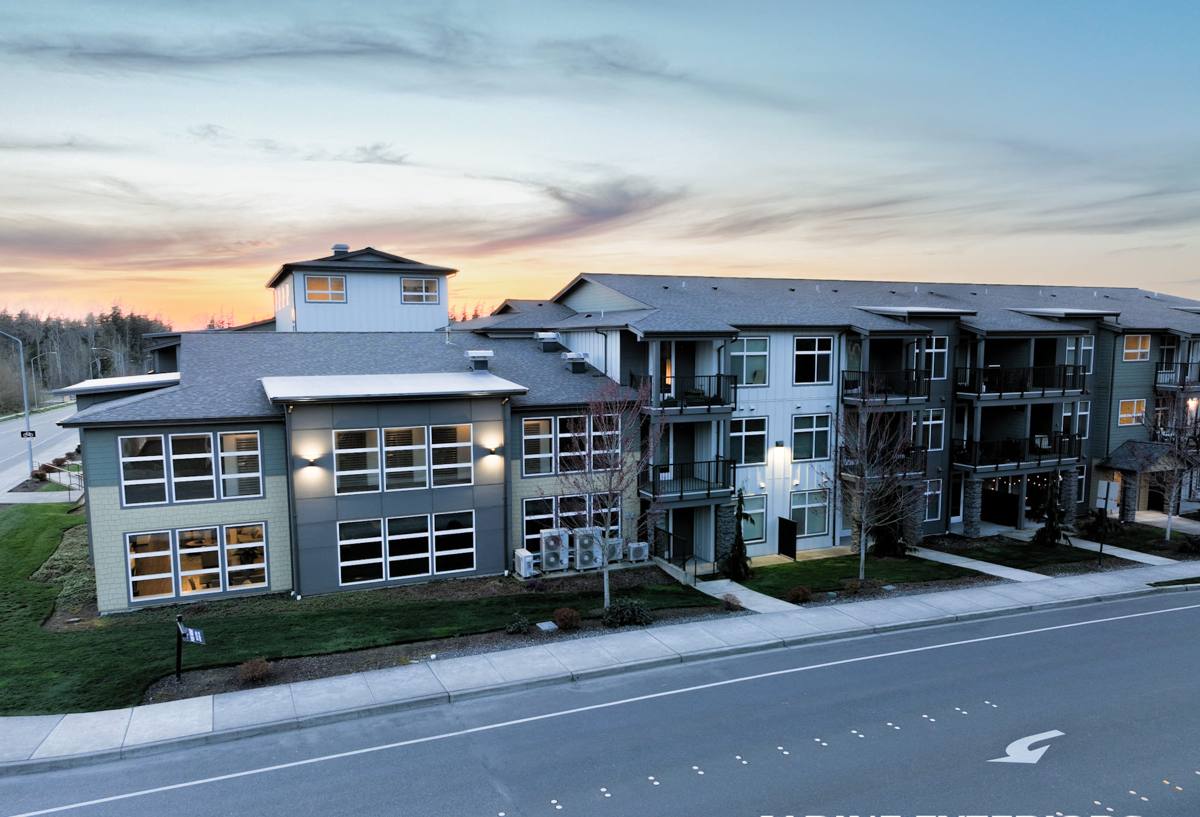
What Terrell Creek's Setting Does to a Roof
Shade, Moisture, and a Long Moss Season
Homes closer to the creek corridor tend to sit under more mature tree canopy than open waterfront lots, and that shade keeps roof surfaces damp longer after every rain. Moss and moisture-loving growth thrive in exactly that condition — cool, shaded, and rarely fully dry. Left unchecked, moss doesn't just look bad on a roof; it holds water against the surface, works under shingle edges and tabs, and can lift or loosen roofing material over a few wet seasons.
Wind-Driven Rain Off the Bay
Even set back from the water, Terrell Creek still sits inside the same wind-and-rain pattern that shapes roofing across coastal Whatcom County. Rain here often arrives sideways rather than straight down, pushed by wind coming off the bay. That means water gets driven into roof valleys, around chimneys and vent pipes, and under flashing that isn't lapped correctly — spots that a calmer, drier climate would never stress the same way.
Salt Air and Corrosion
Being close enough to Birch Bay to catch marine air means fasteners, flashing, and exposed metal components take on more corrosion risk than a fully inland roof would. It's less severe than right on the waterfront, but it's still enough that hardware and flashing grade matter — a roof installed with corner-cut fasteners will show rust and failure points sooner here than the same install would somewhere drier and further from salt air.
What a Correct New Roof Installation Actually Involves
A new roof is more than laying down fresh shingles over the old roofline. Done right, it's a full rebuild of the roof system from the deck up, and every layer matters in a climate that stays damp and shaded as much as Terrell Creek does.
Full Tear-Off and Deck Inspection
We remove the existing roofing down to the deck rather than layering over it. That's the only way to actually see the condition of the sheathing underneath — soft spots, rot, or water staining from years of moss and moisture damage often aren't visible until the old roofing is off. Any damaged decking gets replaced before anything new goes down; installing new roofing over a compromised deck just resets the clock on the same failure.
Underlayment Built for Sustained Moisture
We use underlayment rated for extended moisture exposure rather than a bare minimum-code product, since a Terrell Creek roof spends more of the year damp than a drier-climate roof would. Ice-and-water shield goes down at eaves, valleys, and other spots where water and debris naturally collect — the places most likely to hold moisture against the deck long after the rest of the roof has dried.
Flashing at Every Transition
Flashing is where most roof leaks in this region actually start, not the field of the shingles themselves. Every valley, chimney, vent pipe, skylight curb, and roof-to-wall transition gets properly lapped and sealed metal flashing, sized and shaped for how wind-driven rain actually moves across the roof plane here rather than assuming water only ever falls straight down.
Ventilation That Lets the Roof Dry Out
A shaded, damp roof needs a way to actually dry between storms, and that comes down to balanced intake and exhaust ventilation — enough intake at the eaves and exhaust at the ridge to keep air moving through the attic and roof deck. Roofs that trap moisture instead of venting it tend to develop hidden deck rot and heavier moss growth even when the shingles on top still look fine.
Material Selection for Shade and Moss Exposure
Given the shade around Terrell Creek, we lean toward moss-resistant granule options on asphalt shingle roofs and talk through metal roofing as a serious option where the roof design and budget support it. The right call depends on the specific roof's pitch, how much shade it gets, and how long the homeowner plans to stay in the house — not a one-size answer applied to every job.
Comparing Roofing Materials for a Shaded, Damp Setting
| Material | Behavior Under Shade & Moss Exposure | Typical Maintenance | Realistic Lifespan Here |
|---|---|---|---|
| Architectural asphalt shingle (moss-resistant granules) | Holds up well with proper ventilation; algae-resistant granules slow regrowth | Periodic moss removal, gutter checks | 20-30 years |
| Standard three-tab asphalt shingle | Thinner profile, less wind and moss resistance | More frequent moss and granule-loss checks | 15-20 years |
| Standing seam metal | Smooth, non-porous surface sheds water and resists moss buildup | Low; occasional fastener and sealant checks | 40-60 years |
| Cedar shake | Absorbs moisture readily; needs strong airflow underneath to dry between rains | Higher; regular treatment and moss control | 20-30 years with consistent upkeep |
Shaded roofs, like a lot of what we see around the creek corridor, put more pressure on whichever material goes down, so the ventilation and underlayment underneath matter just as much as the shingle or panel choice itself.
Our New Roof Installation Process
- On-site assessment: We walk the existing roof, attic, and surrounding tree cover to understand sun exposure, shade patterns, and how the current system has handled moisture over its life.
- Written scope and material selection: We go over material options, ventilation needs, and a clear price before any work begins — no verbal promises without a written scope to back them up.
- Full tear-off: Old roofing comes off down to the deck so we can inspect and repair the sheathing directly.
- Deck repair as needed: Any rotted or water-damaged decking is replaced before new underlayment goes down.
- Underlayment and ice-and-water shield installation: Moisture-rated underlayment across the field, with ice-and-water shield at eaves, valleys, and other collection points.
- Flashing installation: New flashing at every valley, penetration, and wall transition, lapped and sealed for wind-driven rain.
- Roofing material installation: Shingles, panels, or shakes installed to manufacturer specification, including proper fastener type and spacing.
- Ventilation check and final walkthrough: Intake and exhaust balance confirmed, and we walk the finished roof with the homeowner before calling the job done.
Signs a Terrell Creek Roof Is Due for Replacement
- Moss buildup on shaded slopes that returns quickly after cleaning, year after year
- Granules collecting heavily in gutters or at the base of downspouts
- Curling, cupping, or missing shingles, especially after a windy storm off the bay
- Water staining on interior ceilings near exterior walls or around chimneys
- Daylight visible through the roof deck when viewed from inside the attic
- Soft spots or noticeable give when the roof is walked
- Flashing that looks lifted, rusted, or stripped of sealant
- A roof that's already had several rounds of patch repairs in different spots
One or two of these can often be handled as a repair. A roof showing several of them at once, especially on a roof already past its rated lifespan, is usually more honestly addressed with full replacement than another round of patchwork that just delays the same outcome.
What to Ask Before Hiring for a New Roof Installation
- Do they perform a full tear-off, or do they offer to install over existing layers?
- What underlayment and ice-and-water shield do they use, and where do they place it?
- How do they detail flashing at valleys, chimneys, and roof-to-wall transitions specifically for wind-driven rain?
- What ventilation approach do they recommend for a shaded roof like yours?
- Do they carry current Washington contractor licensing and active liability insurance?
- Will you get a clear, written scope of work and material warranty before signing anything?
Why a Crew That Already Works Terrell Creek Matters
A contractor who works this specific area regularly already knows how shade from mature trees, creek-corridor moisture, and wind off the bay combine on a real roof over years — not just how a shingle performs on a manufacturer's data sheet. That familiarity shows up in practical decisions on install day: how much ice-and-water shield a shaded valley actually needs, which roof orientations need extra moss-resistant treatment, and where flashing deserves the extra ten minutes so it isn't a callback two winters later. It also means someone who treats a Terrell Creek roof differently than an open-waterfront roof or a dry inland roof, rather than applying the same install to every job regardless of setting.
Beyond the Roof
A new roof installation is often the moment homeowners notice other exterior issues too — aging trim, siding showing moisture damage at a roof-to-wall transition, or windows that have started leaking around the flashing. We handle siding, windows, and decks as well, and if a roof project turns up related problems nearby, we can address them as part of the same conversation instead of sending you to track down a second contractor.
If you're weighing a new roof installation for a home in or near Terrell Creek, we're glad to walk the roof with you and give a straightforward, honest read on what it actually needs. Reach out using the form below for a free, no-pressure estimate.