 Birch Bay
 Roof Repair Built for Birch Bay Village's Coastal Conditions
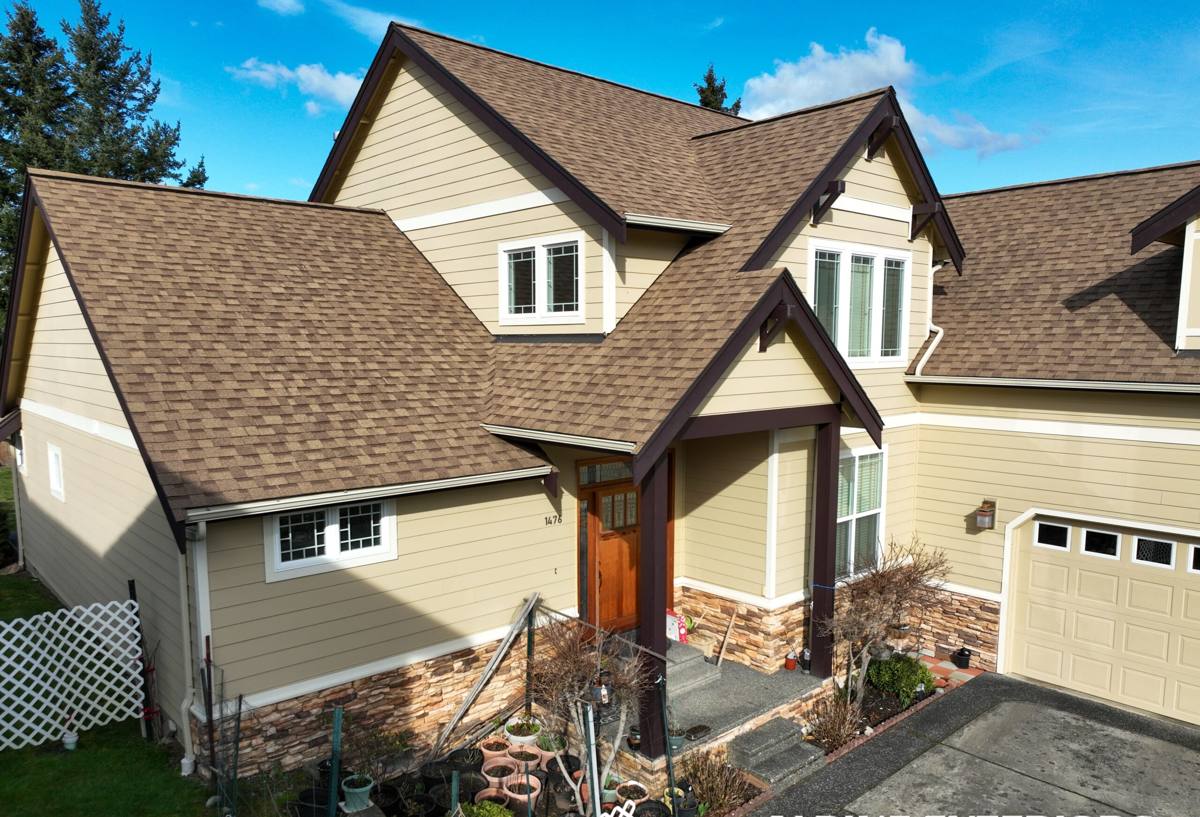
Birch Bay Village sits close enough to the water that homes here take a different kind of beating than roofs ten miles inland. Salt-laden air off the bay, wind-driven rain that finds every gap in flashing, and a moss season that runs longer than most homeowners expect all combine to wear roofs down faster than the manufacturer's brochure ever accounts for. We repair roofs in this neighborhood regularly, and the patterns we see here are consistent enough that we've built our repair process around them rather than treating every job as a generic patch-and-go.
This page covers roof repair specifically — not full tear-offs or new installs. If your roof has isolated damage, active leaks, or visible wear but still has useful life left, repair is usually the right call. Knowing when that's true, and when it isn't, is most of the job.
What Whatcom County's Coastal Climate Does to a Roof
Birch Bay Village's location in Whatcom County puts it in a marine climate zone with a few specific stressors that show up in roof damage patterns:
Salt Air
Airborne salt from Birch Bay accelerates corrosion on any exposed metal — flashing, fasteners, vent caps, gutter hardware. Galvanized fasteners that would last decades inland can start rusting and backing out years earlier here. Once a fastener corrodes and loosens, the seal around it fails, and that's how small leaks start.
Driving Rain
Storms moving in off the water frequently bring rain at an angle, not straight down. Roofs that would shed a vertical downpour without issue can still take on water at ridge caps, valleys, and wall-to-roof transitions when rain is being pushed sideways. Flashing details that are "close enough" on a calm-weather install often aren't close enough here.
A Long Moss Season
Shade, humidity, and mild temperatures give moss a long growing window in this part of Whatcom County — often nearly year-round on north-facing slopes and shaded sections. Moss doesn't just look bad; it holds moisture against the roofing material, lifts shingle edges as it grows, and works its way under laps and around fasteners. Left unaddressed, a moss mat can shorten the usable life of an otherwise sound roof by years.
Common Repair Calls We See in Birch Bay Village
Most repair calls in this neighborhood fall into a handful of categories:
- Flashing failures at chimneys, skylights, and roof-to-wall intersections — usually corrosion or original installation that wasn't sealed for driving rain
- Moss-related shingle lift on shaded north- and west-facing slopes, sometimes with granule loss underneath
- Fastener backout and corrosion on older roofs, especially near the coast-facing sides of the home
- Damaged or missing shingles/shakes from wind events, which then let water in at the exposed underlayment
- Clogged or damaged gutters that back water up under the roof edge instead of carrying it away
- Soft or stained decking found during repair that indicates water has been getting in longer than the visible damage suggests
What a Correct Roof Repair Actually Involves
A repair that actually holds isn't just replacing what's visibly broken. It means understanding why that spot failed in the first place — otherwise you're fixing the symptom and leaving the cause in place for next winter's storms.
Diagnosis Before Materials
Before we touch a shingle, we trace the water. A leak that shows up on a ceiling ten feet from the actual roof breach is common — water travels along rafters and sheathing before it drips. We check the attic side when accessible, look at flashing details, and check whether moss or debris is holding moisture against the roof surface.
Matching Materials, Not Just Covering Gaps
Repairs should match the existing roofing material in type, weight, and where possible, color — mismatched patches age differently and stand out, and mismatched materials can create their own moisture problems where they meet. If your roof is old enough that exact matches aren't available, we'll tell you honestly rather than force a bad match.
Flashing Gets Treated as Structural
Given how much of our repair work traces back to flashing failure, we don't just re-caulk a gap and call it done. Failed flashing gets replaced with new material and properly integrated with the surrounding roofing — not just sealed over, since sealant alone is a temporary fix in a climate this wet.
Corrosion-Resistant Fasteners
Given the salt air in Birch Bay Village, we favor fasteners and hardware rated for coastal exposure rather than standard-grade materials that corrode faster here than they would inland. It costs a little more up front and saves a callback in a few years.
Our Roof Repair Process
- On-site inspection — we look at the roof, the attic when accessible, and the areas around the damage, not just the spot you called about
- Honest diagnosis — we explain what's actually wrong, what caused it, and whether repair is the right call or if you're better served waiting for a full conversation about replacement
- Written estimate — clear scope, materials, and price before any work starts
- Repair work — matched materials, proper flashing integration, corrosion-resistant fasteners, and full weatherproofing at every point we open up
- Cleanup and walk-through — we clear debris and go over what was done and why
Repair or Replace? A Straight Answer
Not every damaged roof needs repair — and not every roof that's showing wear needs full replacement. Here's how we think through it:
| Factor | Leans Toward Repair | Leans Toward Replacement |
|---|---|---|
| Age of roof | Under 2/3 of expected lifespan | Near or past expected lifespan |
| Extent of damage | Isolated to one area or slope | Spread across multiple sections |
| Decking condition | Solid, no soft spots found | Soft, stained, or rotted decking present |
| Moss/algae staining | Surface-level, removable | Widespread with granule loss underneath |
| Flashing condition | Isolated failure points | Original flashing failing throughout |
| Prior repair history | First or second repair call | Repeated repairs to the same areas |
If your roof lands mostly in the repair column, a well-done repair can reasonably add years of service. If it's landing in the replacement column, we'll say so — patching a roof that's structurally near the end of its life just delays a bigger problem and spends money that won't carry forward into a new roof.
Moss and Algae Management as Part of Repair
Because moss is such a consistent factor in this part of Whatcom County, we treat moss removal and prevention as part of the repair conversation, not an afterthought:
- Manual moss removal by hand or soft brushing — never pressure washing, which can strip granules and force water under laps
- Clearing overhanging branches where practical, since shade is the biggest driver of moss growth
- Zinc or copper strip installation at ridges on roofs where ongoing moss growth is a recurring issue, which lets rain carry trace metal down the slope to inhibit regrowth
- Gutter clearing so trapped debris and standing water aren't feeding moss at the roof edge
None of this replaces a proper repair where damage already exists, but it slows the cycle that caused the damage in the first place — which matters in a climate where moss has most of the year to work.
Why Local Experience in Birch Bay Village Matters
Roofing crews unfamiliar with this specific stretch of coastline sometimes underestimate how much salt exposure and driving rain change the math on materials and flashing details. A repair approach that works fine in a drier inland community can fail faster out here. Working in Birch Bay Village and the surrounding Whatcom County coastline regularly means we're not guessing at what holds up — we're basing material choices and flashing details on what we've seen actually fail, and what's actually lasted, on roofs like yours.
It also means faster response. Leaks don't wait for a convenient week, and a crew already working this area can typically get to an active leak sooner than one dispatching from farther away.
Signs You Shouldn't Wait On
Some roof issues can reasonably wait for a scheduled inspection. Others shouldn't:
- Active dripping or staining on an interior ceiling or wall
- Visible daylight through the roof deck from inside the attic
- Shingles or shakes missing after a storm
- Sagging in any section of the roofline
- Heavy moss buildup combined with visible granule loss in the gutters
- Flashing that's visibly separated, rusted through, or missing sealant
If you're seeing any of these, it's worth having someone look before the next round of coastal weather makes it worse.
Get a Free, No-Pressure Estimate
If you're dealing with a leak, storm damage, or a roof that's just showing its age in Birch Bay Village, we're happy to take a look and give you a straight answer — repair, or something more. There's no obligation and no pressure. Use the form below to request a free estimate.