 Birch Bay
 Board & Batten Siding Built for Terrell Creek
Terrell Creek sits in that stretch of Whatcom County where the marine air off Birch Bay meets low-lying, tree-shaded lots and a creek corridor that keeps humidity high most of the year. Homes here take on a specific mix of punishment: salt-laden wind off the water, long stretches of driving rain, and a moss season that can run from October clear into May. Board and batten siding — with its clean vertical lines and deep shadow reveals — looks great on the craftsman and modern-farmhouse homes common in this area, but it's also one of the least forgiving siding styles to get wrong in this climate. Get the water management right and it will outlast every other exterior upgrade on the house. Get it wrong and you're chasing rot behind the battens within a few winters.
We work Terrell Creek regularly, which means we already know how the lots drain, how close the tree cover sits to the siding, and where moss and algae tend to build up first on a north- or creek-facing wall. That local familiarity changes how we plan a board and batten job before we ever pick up a nail gun.
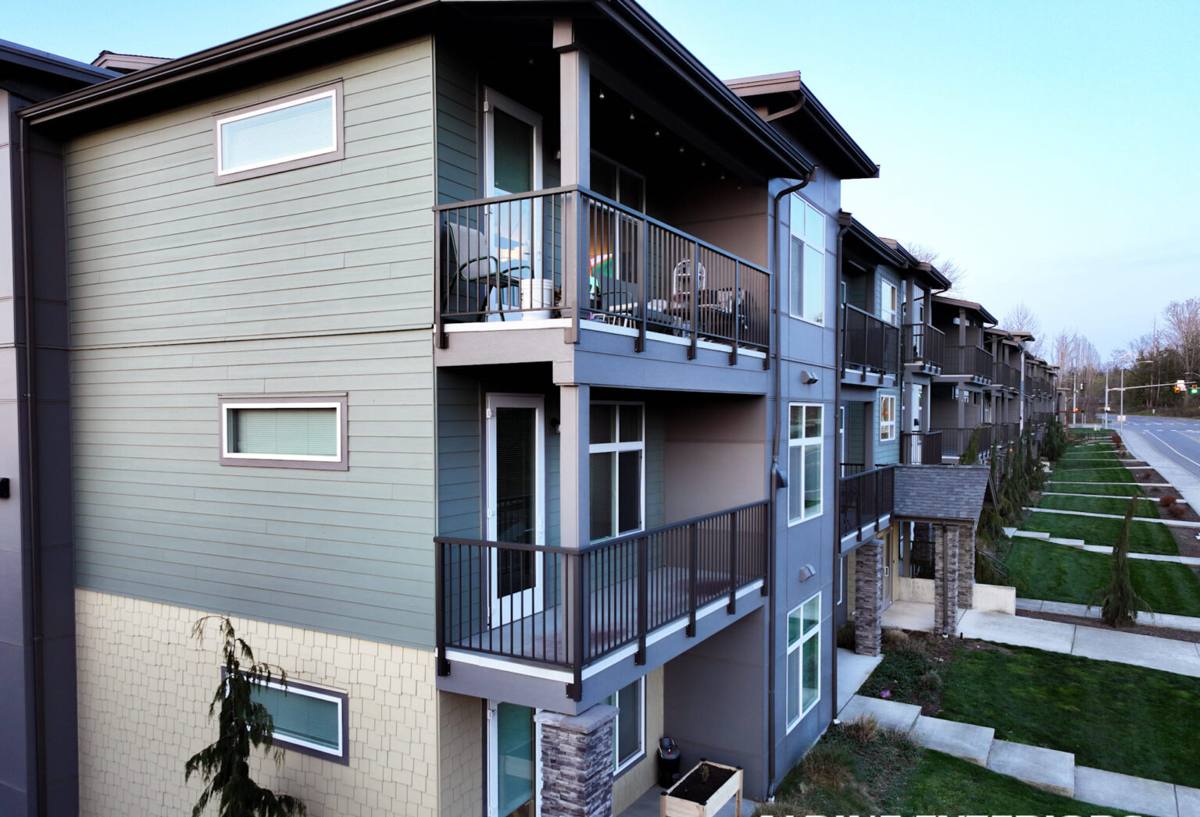
Why This Climate Is Hard on Vertical Siding
Salt Air and Coastal Moisture
Birch Bay's proximity to saltwater means airborne salt settles on exterior surfaces and accelerates corrosion on anything but properly rated fasteners and trim. Over time, salt exposure also breaks down cheaper paint films and coatings faster than it would a few miles inland, which is one reason factory-cured finishes matter more here than in drier parts of the state.
Driving Rain and Wind-Driven Water
Board and batten's vertical battens create dozens of extra seams compared to horizontal lap siding — every batten edge is a potential path for wind-driven rain to find its way behind the cladding. In a climate that gets sustained horizontal rain off the water, those seams need real flashing details and drainage, not just caulk.
Moss, Algae, and Shade
Terrell Creek's tree cover and creek-side humidity are a perfect setup for moss and algae growth on siding, especially on shaded north walls and anywhere gutters overflow onto the wall below. Moss holds moisture against the surface far longer than open air would, which speeds up any decay that's already started behind poorly installed siding.
What a Correct Board & Batten Install Actually Involves
Board and batten is deceptively simple-looking, but the assembly behind it does most of the work. A correct installation includes:
- A code-compliant weather-resistive barrier installed and lapped correctly over the sheathing before any siding goes on
- Furring strips or a vertical rain screen gap so water that gets behind the panel can drain and the wall can dry
- Batten spacing and fastening that follows the manufacturer's engineering, not just "what looks even"
- Flashing at every horizontal transition — window heads, water tables, roof-to-wall intersections — not just caulk bridging the gap
- Corrosion-resistant fasteners rated for coastal exposure, driven at the correct depth so they don't crush the material or back out over time
- Proper clearance at the bottom of the wall so board and batten doesn't sit in contact with grade, decking, or standing water
Skip the rain screen gap or use the wrong fastener schedule, and the siding can look perfect for two or three years before problems show up behind it — which is exactly the failure pattern we see most often when we're called out to inspect a previous installer's work near the water.
Why We Install James Hardie — Not Other Board & Batten Materials
We only install James Hardie fiber cement siding. We don't install vinyl board and batten, LP SmartSide, primed spruce, or cedar board and batten, and we don't make that decision lightly — it's based on how each material actually performs in a salt-air, high-moisture climate like this one.
| Material | How It Handles This Climate | Where It Falls Short |
|---|---|---|
| James Hardie fiber cement | Non-combustible, engineered moisture resistance, factory ColorPlus finish holds up to salt air and UV | Heavier to install; needs a crew that knows the fastening spec |
| Cedar board and batten | Traditional look, workable material | Needs ongoing sealing/staining; absorbs moisture and is a food source for moss and rot in shaded, damp areas |
| Vinyl board and batten | Low upfront cost, no painting | Can warp or crack in temperature swings; seams and battens are often just decorative, not a true rain screen |
| LP SmartSide (engineered wood) | Lighter than fiber cement, factory primed | Wood-based core is more vulnerable to sustained moisture exposure than fiber cement if any seal point fails |
Cedar has real appeal and vinyl has a real price advantage — we're not pretending otherwise. But in a climate that stacks salt air, driving rain, and a long moss season on top of each other, fiber cement's non-combustible, moisture-engineered composition is what holds up with the least long-term maintenance. That's why it's the only board and batten system we put our name on.
The Hardie System We Use for Board & Batten
For vertical board and batten profiles, we install James Hardie's engineered panel-and-batten system with a factory ColorPlus finish, which is baked on and warranted against fading and peeling far beyond what field-applied paint typically holds up to. Hardie's HZ5 product designation is engineered for the wetter, harsher weather zones on the West Coast — the kind of climate profile Birch Bay and the rest of Whatcom County actually sit in.
Our Process for Terrell Creek Projects
- Site assessment: We walk the exterior, check for existing moisture damage, note drainage patterns on the lot, and flag any shaded or creek-facing walls that will need extra attention to moss and water management.
- Removal and inspection: Old siding comes off and we inspect the sheathing underneath for rot before anything new goes up — this is the step that gets skipped when a job goes wrong.
- Weather barrier and drainage plane: We install the water-resistive barrier and rain screen furring correctly lapped and sealed at every penetration.
- Flashing: Windows, doors, and horizontal transitions get proper metal or membrane flashing before the battens go on.
- Installation: Hardie panels and battens go up to manufacturer fastening specs, with corrosion-resistant fasteners sized for this coastal environment.
- Final walkthrough: We review the finished work with the homeowner and point out anything they should keep an eye on going forward — gutter overflow points, shaded areas prone to moss, etc.
Maintenance in a Salt-Air, Moss-Prone Climate
Even the right siding needs a little attention in this environment. A simple annual routine keeps board and batten looking sharp and prevents small issues from becoming expensive ones:
- Rinse siding once or twice a year to clear salt residue and early moss growth, especially on shaded and creek-facing walls
- Keep gutters clear so overflow doesn't run down the wall and feed moss growth at the top course
- Trim back tree and shrub growth that keeps siding in constant shade and damp
- Check caulking at window and door trim annually — it's the first thing to fail and the cheapest thing to fix before it becomes a moisture problem
- Watch for any soft spots or discoloration at the base of the wall, which can signal splash-back or drainage issues at grade
Cost Factors for Board & Batten in This Area
| Factor | Why It Matters Here |
|---|---|
| Wall condition and existing sheathing damage | Homes near the creek and shoreline more often have hidden moisture damage that adds repair work before siding goes on |
| Rain screen and flashing detail | Non-negotiable in this climate; skipping it lowers upfront cost but shortens the siding's real lifespan |
| Batten spacing and reveal style | Wider reveals and custom spacing take more layout time and material planning than a standard lap job |
| Access and tree cover | Shaded, tree-lined lots common around Terrell Creek can slow drying time during installation and affect scheduling |
| Trim and finish package | Factory-finished ColorPlus trim costs more upfront than field-painted trim but removes a recurring maintenance cost |
Exact pricing depends on the size and condition of the home, but any quote that doesn't account for rain screen detailing and proper flashing in this climate is a quote that's cutting a corner that will show up later.
Why Hiring a Crew That Already Works This Neighborhood Matters
Board and batten siding fails in predictable ways when it's installed by a crew unfamiliar with a specific climate zone — usually at the flashing details, the rain screen gap, or the fastener schedule. A crew that already works Terrell Creek and the broader Birch Bay area has already seen how the salt air, rain patterns, and shade cover on these lots interact with a wall assembly, and plans for it before the first panel goes up rather than reacting to problems after the fact. That local track record, combined with sticking to one manufacturer's engineered system rather than switching between products, is what keeps a board and batten job performing for decades instead of years.
If you're considering board and batten siding for a home in Terrell Creek, we're happy to walk the property, take a look at what's there now, and talk through what a correctly built system would look like for your specific lot. There's no pressure and no cost for the estimate — just a straight assessment from a crew that knows this neighborhood's climate firsthand.