 Birch Bay
 Building Decks for Terrell Creek's Conditions
Terrell Creek sits close enough to the water and the tree cover that a deck here takes a different kind of beating than one built twenty miles inland. Salt-laden air moves in off the bay, driving rain comes in sideways more often than straight down, and the shaded, damp lots around the creek corridor grow moss on almost any horizontal surface that isn't actively shedding water. A deck that isn't specifically detailed for these three things — salt, wind-driven moisture, and moss — will show problems within a few seasons: corroding fasteners, soft spots at the ledger board, and slick, green-tinged boards by late fall.
None of that is exotic. It's predictable, and predictable problems can be built around. This page is about what that actually looks like for a deck project in the Terrell Creek area specifically — not a general "how decks work" overview.
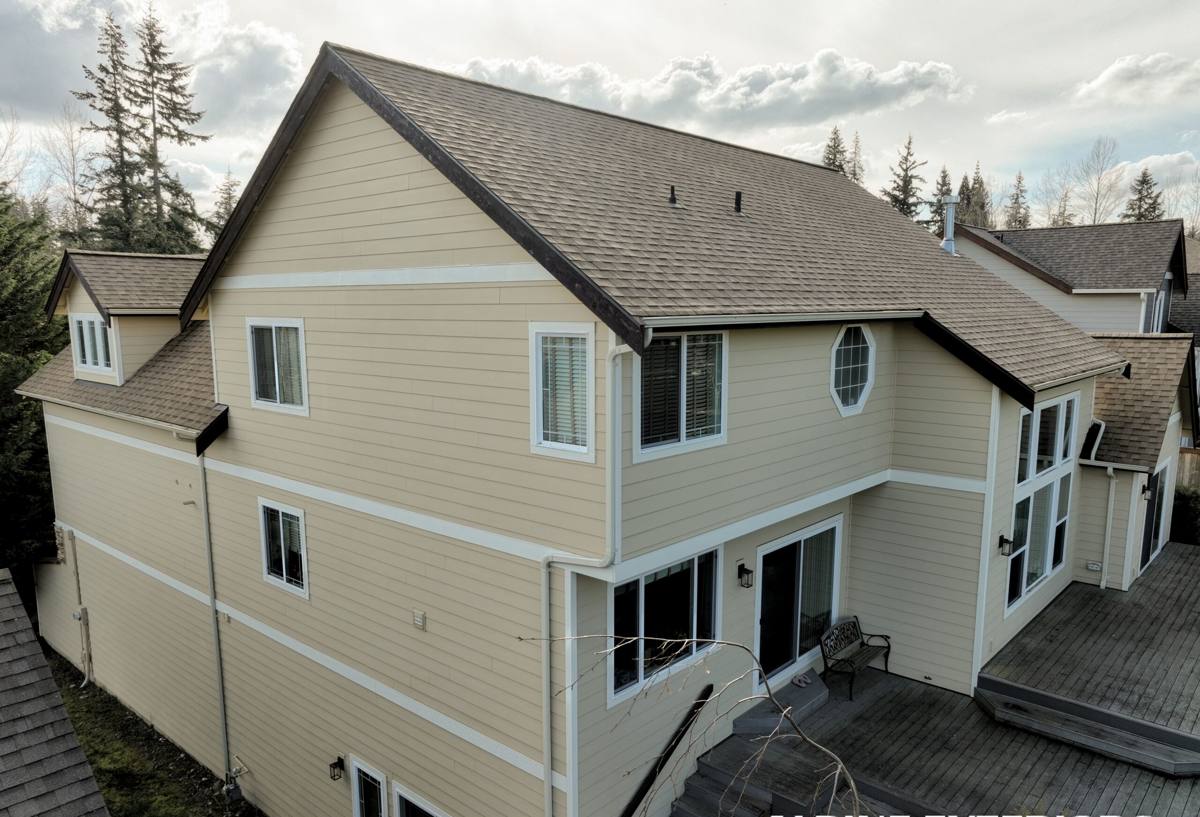
What Local Homes Actually Need
Fastener and hardware corrosion
Coastal salt air accelerates corrosion on anything less than fully rated hardware. Standard electro-galvanized screws and joist hangers will start rusting at the heads and cut edges well before the wood around them shows wear. On a deck within a mile or two of the water, we treat stainless steel or heavy hot-dip galvanized (G185) fasteners and connectors as the baseline, not an upgrade — it's the difference between hardware that outlasts the deck boards and hardware that becomes the first failure point.
Water management, not just water resistance
Whatcom County's rain doesn't fall politely straight down for much of the year — wind pushes it under rail caps, behind fascia boards, and into ledger connections. A deck built for this area needs flashing at the ledger, proper slope away from the house on the decking itself, and gaps or drainage detailing at rail posts and stair stringers so water has somewhere to go instead of sitting.
Moss and biological growth
Shaded lots near the creek and tree lines hold moisture longer, which is exactly what moss wants. Board spacing, airflow underneath the deck, and surface texture all affect how fast moss and algae take hold. A deck built tight to grade with poor underside ventilation will grow moss noticeably faster than one with a few extra inches of clearance and open joist bays.
Decking Material Comparison for This Climate
There's no single "best" decking material — there's a best fit for a given budget, sun exposure, and maintenance appetite. Here's how the common options actually perform under Birch Bay's salt air, rain, and moss conditions:
| Material | Moisture Behavior | Moss Resistance | Maintenance | Typical Lifespan Here |
|---|---|---|---|---|
| Pressure-treated wood | Absorbs and releases moisture; prone to cupping/checking in wet-dry cycles | Low without regular cleaning | Annual cleaning, periodic staining/sealing | 10-15 years |
| Cedar | Naturally moisture-tolerant, but still needs sealing here | Moderate; still grows moss in shade | Sealing every 1-2 years to hold color and repel water | 15-20 years |
| Composite (capped) | Doesn't absorb water; won't rot or cup | Better, but moss can still grow on the surface film in deep shade | Periodic washing; no staining/sealing | 25+ years |
| PVC | Fully moisture-resistant, no wood fiber to hold water | Best of the four, especially with textured/embossed finishes | Occasional washing | 25-30+ years |
For lots directly along the creek corridor with heavier shade, we lean toward composite or PVC unless the homeowner specifically wants the look and feel of real wood and is prepared for the upkeep that comes with it. That's a maintenance-and-preference conversation, not a rule — a well-built and well-maintained wood deck holds up fine, it just asks more of the owner.
What a Correctly Built Deck Involves
Ledger attachment and flashing
The ledger board — where the deck ties into the house — is the single most common failure point on decks in wet coastal climates. Correct flashing (not just caulk) between the ledger and the house wall, proper structural fastening, and a water diversion path are non-negotiable details, regardless of what decking material sits on top.
Footings sized for local soil
Footing depth and sizing need to account for local frost depth and soil conditions, and for Whatcom County permitting requirements. Skipping or undersizing footings is invisible until the deck starts to shift or settle unevenly.
Framing hardware and spacing
Joist hangers, post bases, and structural screws should match the corrosion-resistance rating of the environment, not just meet minimum code. Joist spacing and blocking should account for the actual decking product chosen — composite and PVC boards often have different span requirements than dimensional lumber.
Railings and code compliance
Guardrail height, baluster spacing, and stair rail requirements are set by code, and inspectors in this county check them. Beyond code minimums, rail post connections are another spot where under-built hardware shows up as wobble within a year or two if it isn't done right the first time.
Our Process for Terrell Creek Projects
- On-site assessment — we look at drainage, sun/shade exposure, existing structure (if it's a rebuild), and how the site sits relative to prevailing wind and rain direction.
- Material and design conversation — we walk through the decking options above against the homeowner's budget, maintenance tolerance, and how the deck will actually be used.
- Permitting — decks of most sizes require a permit and inspection in Whatcom County; we handle that paperwork and coordinate inspections rather than leaving it to the homeowner.
- Demolition (if replacing an existing deck) — including a check of the ledger and rim joist condition, since hidden rot at that connection is common on older decks in this area.
- Framing and structural work — footings, ledger flashing, joists, and hardware sized for coastal exposure.
- Decking, railing, and finish work — including whatever sealing or finishing the chosen material requires.
- Final walkthrough — we go over maintenance expectations specific to the material installed, so there are no surprises about upkeep.
Maintenance That Actually Matters Here
Every material above needs some upkeep in this climate — the differences are in how much and how often. A simple seasonal routine keeps most decks ahead of moss and moisture problems:
- Sweep debris (leaves, needles) off the deck regularly — trapped organic matter holds moisture and feeds moss growth
- Wash the deck surface at least once a year with a deck-safe cleaner to remove early moss and algae before it takes hold
- Check and clear underneath the deck periodically — blocked airflow under low decks accelerates moss and mildew
- Inspect fastener heads and connectors yearly for early rust staining, especially near rail posts and stair connections
- Reseal wood decking on the manufacturer's recommended schedule — don't wait until it visibly grays or cups
- Confirm gutters and downspouts near the deck aren't dumping extra water onto or under it
Why a Crew That Already Works Terrell Creek Matters
A lot of deck problems in this area trace back to a contractor applying general building practices without adjusting for what salt air, driving rain, and a long moss season actually do to a structure over time. A crew that regularly builds and repairs decks in Birch Bay and the surrounding Whatcom County neighborhoods already knows which hardware grade holds up, which decking products perform in the shade near the creek, and what the county's permitting and inspection process expects — none of which is universal knowledge, and all of which affects how long the deck lasts.
That local familiarity also shows up in smaller ways: knowing which lots tend to hold water longer, which sun exposures need extra ventilation underneath the deck, and how to frame around existing drainage rather than fighting it.
Cost Factors Worth Understanding Upfront
Deck pricing varies widely based on size, material, and site conditions, but a few factors consistently move the number for Terrell Creek projects specifically:
| Factor | Why It Affects Cost |
|---|---|
| Decking material choice | Composite and PVC cost more upfront than wood but reduce long-term maintenance spending |
| Ledger and structural condition (rebuilds) | Rot found at the ledger or rim joist adds repair scope before the new deck can go on |
| Footing count and soil access | Sites with difficult access or soil conditions can increase excavation and footing labor |
| Height and railing complexity | Elevated decks need more substantial railing and stair systems, which adds material and labor |
| Hardware grade | Stainless or heavy-galvanized connectors cost more than standard hardware but last significantly longer in this air |
If you're planning a new deck or need to deal with an aging one near Terrell Creek, we're happy to come take a look and put together a straightforward, no-pressure estimate — no upsell script, just an honest read on what your site and budget call for. The form below gets that started.